
Brutal bridle used as silencing torture device goes on display at Leeds City Museum

A gruesome contraption used hundreds of years ago as a punishment for gossiping is now on display in Leeds.
The torture device, known as a scold’s bridle, is part of a collection of fascinating objects at Leeds City Museum, highlighting some of the darker and lesser-known chapters in the city’s history.
Scold’s bridles were employed in towns and cities across England as early as 1574. They were designed to discourage individuals - primarily women - who were considered to have spoken rebelliously, inappropriately, or out of turn.
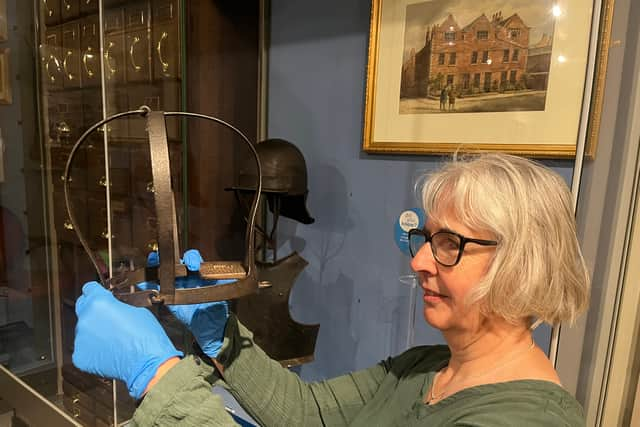

When in use, the solid iron frame would enclose the victim’s head, and a roughened iron plate would be placed in their mouth, preventing them from moving their tongue without discomfort. Victims of this punishment would be paraded through the streets on a chain held by a town official.
The device, also known as a brank or witch’s bridle, is believed to date from the 17th century and is currently displayed in the museum’s Leeds Story gallery as a reminder of more brutal times.
Kitty Ross, curator of social history at Leeds Museums and Galleries, remarked that it is difficult to imagine such a brutal device being used in cities and towns across the country.
She said: “This device is a clear relic from a time when the concepts of human rights and equality were very different from what they are today.
“Displaying these types of objects is an important, tangible reminder of how far society has come as well as an opportunity to reflect on the challenges faced by people who lived during an age when such an inhumane contraption was seen as an acceptable form of punishment.
“Adding objects to the Leeds Story gallery is always rewarding too, because it gives visitors a chance to find out more about famous people, places and events alongside aspects of the city’s hidden history which they may never have heard before.”
In addition to the scold’s bridle, the museum is showcasing a silver cup made by the unfortunate Leeds goldsmith-turned-counterfeiter, Arthur Manhey. The cup joins a set of his coin-clipping shears already on display.
Other newly exhibited items include a Pudsey peace jug, created by local potter John Sugden in 1801 to commemorate Napoleon Bonaparte’s signing of the Concordat of 1801 with Pope Pius VII and an impressive bell that once hung in the city’s Coloured Cloth Hall in 1758.
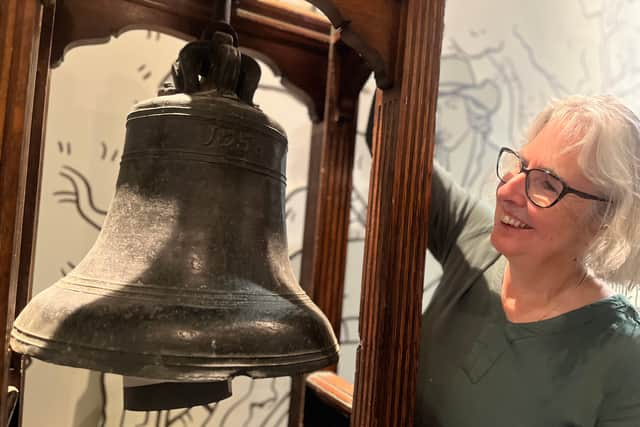
The Coloured Cloth Hall, which was the largest building in Georgian Leeds, was used for offices and housed the Council Chamber of the Trustees. In 1889, the Leeds Corporation paid £66,000 for the hall to clear it, making way for what is now City Square and the General Post Office building.
Leeds councillor Salma Arif said: “The story of Leeds is completely unique and includes so many surprising and intriguing chapters which have each in their own way played their part in creating the city we know today.
“It’s remarkable that we have so many objects on display to help tell that story and ensure visitors can learn more about the different aspects of our local heritage.”