
How stolen Leeds art treasures provide hope to Louvre museum

They were the art treasures thought lost forever.
Seven snuff boxes were stolen from Temple Newsam House in Leeds during a night time raid in 1981.
The treasures were thought lost forever until art experts discovered them up for sale at auction 40 years later.
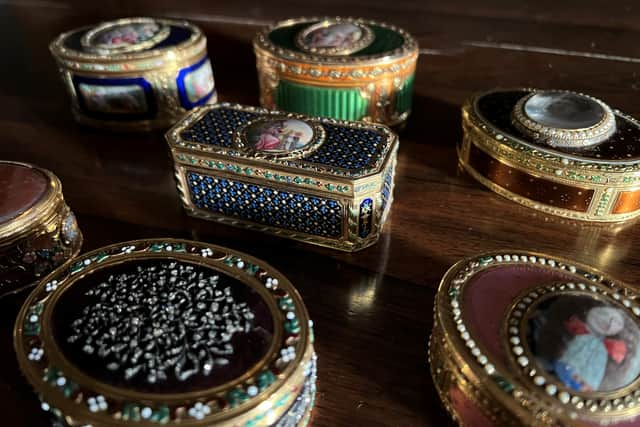

The recovery of the artefacts offers hope to the Louvre and other museums that recoveries can be made where the stolen items remain intact and are not broken down for their commodity value.
The Louvre remained closed yesterday (October 20) after famous jewels were stolen from the world's most-visited museum in a daring daylight heist.
Thieves rode a cherry picker up the Louvre's facade, forced a window, smashed display cases and fled with priceless Napoleonic jewels in a raid lasting just four minutes at the world's most-visited museum, French officials said.
The daylight heist about 30 minutes after the Paris museum opened on Sunday (October 19), with visitors already inside, was among the highest-profile museum thefts in living memory and came as staff complained that swelling crowds and a lack of staff were straining security.
The theft unfolded just 270 yards (810ft) from the Mona Lisa, in what French culture minister Rachida Dati described as a professional "four-minute operation".
One object, the emerald-set imperial crown of Napoleon III's wife, Empress Eugenie, containing more than 1,300 diamonds, was later found outside the museum, French authorities said. It was reportedly recovered broken.
The Art Loss Register is the leading due diligence provider for the art market, and maintains the world’s largest private database of stolen art, antiques and collectables.
James Ratcliffe, director of recoveries & general counsel at The Art Loss Register said: ”People should not give up hope that recovery is possible. We have ourselves recovered pieces that are made up of precious metals and jewels. They are not always melted down and recut, but the working theory must be that the thieves will destroy the objects. It is now apparent that more steps are going to have to be taken to protect cultural objects where the commodity value of their constituent parts is such that it brings an additional risk of theft.
“Prevention is better than the hope of a cure, but prevention will require investment and museums have suffered significant funding cuts in recent years. Governments need to show their support for the cultural sector by assisting financially, not just writing their hands in dismay at losses such as this.”