
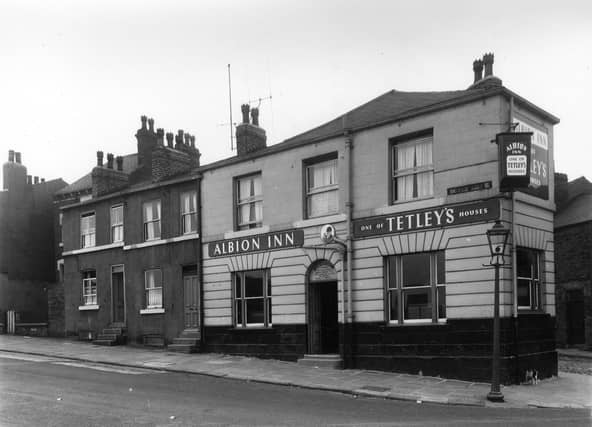


They take you back to the suburb in the 1950s and feature a range of familiar local haunts from pubs and fish and chips as well as corner shops and local factories. The images are published courtesy of West Yorkshire Archive Service, which collects and looks after the unique documentary heritage of the region dating from the 12th century to the present day - more than 800 years of local history. It also runs Catablogue, an online blog dedicated to preserving the past, serving the present and protecting the future. READ MORE: Photos showcase life in Little London during the 1980s LOVE LEEDS? LOVE NOSTALGIA? Join Leeds Retro on facebook YEP RETRO NEWSLETTER: Sign up for our free monthly email digest of Leeds nostalgia
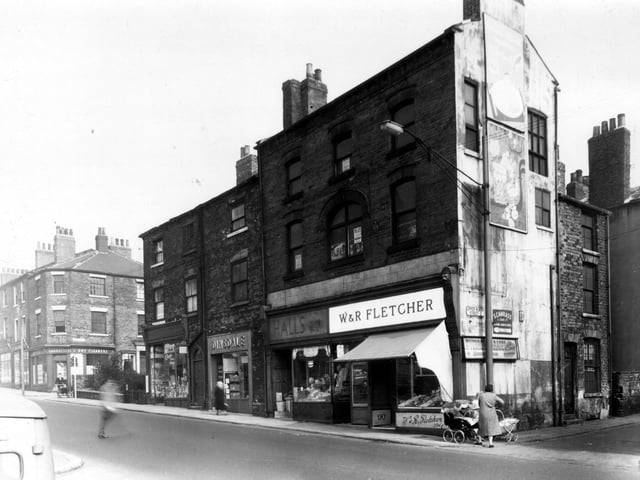
13. Little London in the 1950s
Woodhouse Lane in August 1959. To the left a garden area is visible, this was the corner with Camden Terrace, facing onto the garden but not in view is 98 Woodhouse Lane, used as a surgery by Dr Featherman. Moving right, 96 is occupied by E. Fisher family grocer, 94 has the name Dinsdale above the shop and a display of bugs and briefcases in the window. Next, 92 is Halls greengrocers, then on the right, at the corner with Upper North Street is 90. This was W.R. Fletchers butchers shop. Women are at the corner with prams. On the wall signs point down Upper North Street to the Eyebrow Garage and the business of S. Camrass and Sons Ltd, clothing manufacturer at Dorrington Road Mills. Photo: Leeds Libraries, www.leodis.net
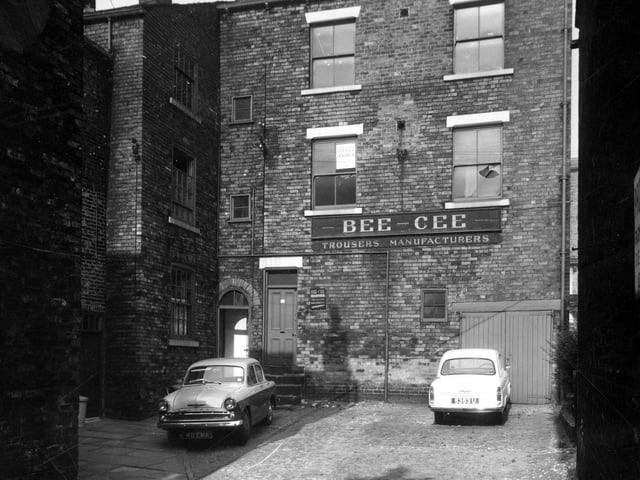
14. Little London in the 1950s
Bee-Cee trouser manufacturers on Upper North Street pictured in August 1959. Photo: West Yorkshire Archive Service
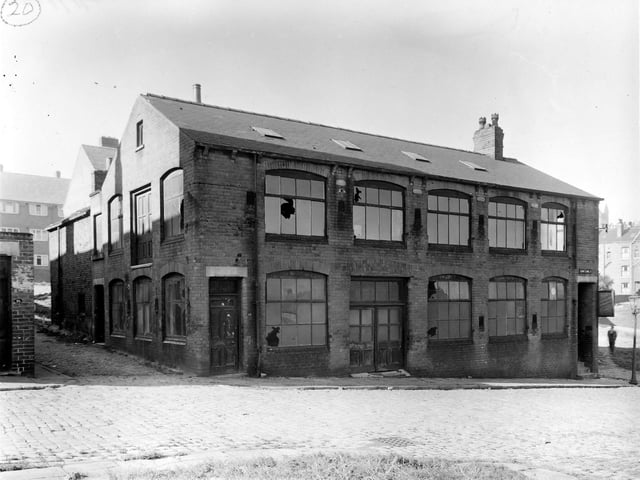
15. Little London in the 1950s
Carr Lane, a run down veneer works with broken windows now covered with mesh to prevent further damage. This building was once home to the Golderg Veneered Moulding firm, and the business sign is still visible on the right. On the left of the building is Carr Grove with Carr Street on the right. Pictured in September 1954. Photo: West Yorkshire Archive Service
16. Little London in the 1950s
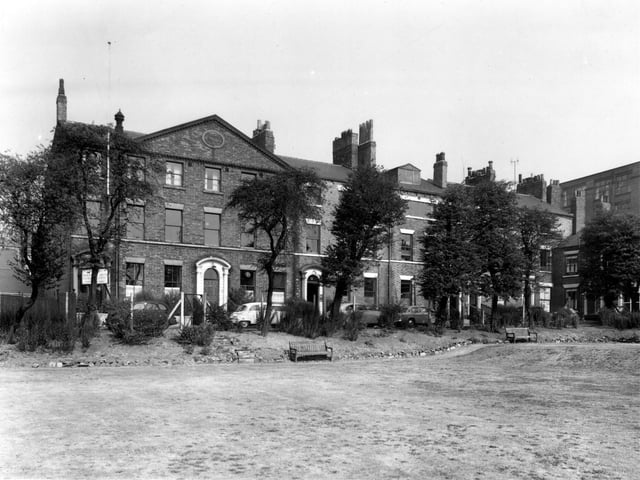
Queen Square was initially developed by John and George Biscoff, the brothers had lived at nearby Claypit House since 1787 and owned the adjacent land. The square was planned as three terraces round a central garden, with the fourth side left open to Claypit Lane. Numbers 1/2 Queen Square is on the left. This was one of the earliest houses to be built in the square, between 1806-22. It was constructed of red brick with stone details, three storeys and a basement with warehose facilities. In 1822 the residents of the square purchased the central area of land to provide a permanent garden. In this view it was the headquarters of the Manchester Unity of Oddfellows (Friendly Society). The square is on the margin of the route of the Woodhouse West gate section of the Inner Ring Road, the majority of the streets around were demolished to provide the site for the road. The square was refurbished and is now used by Leeds Metropolitan University. Of the few squares which were built in georgian Leeds, this with Park Square has survived in virtually its original state. Photo: West Yorkshire Archive Service
17. Little London in the 1950s
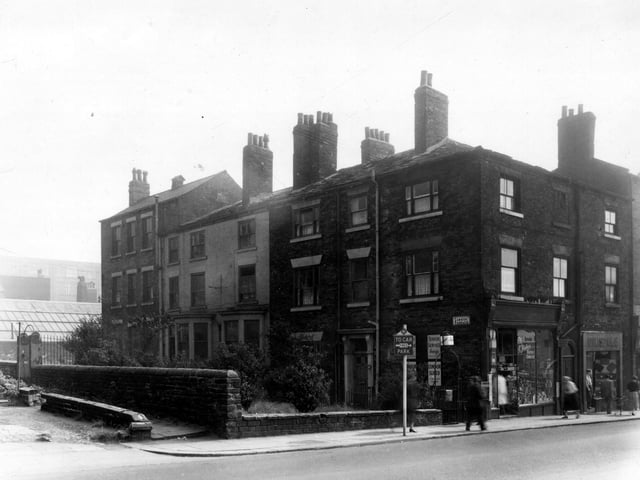
Camden Terrace from Woodhouse Lane. In the left centre the low building is the Eyebrow garage motor repair shop, which had an entrance on Upper North Street. Next right is the front of 17a Upper North Street, used by Cee-Bee trouser manufacturer. Adjoining is 17 Upper North Street, this substantial house with double bay windows had also been used for commercial purposes. At the corner, the large property facing Camden Terrace is numbered as 98 Woodhouse Lane. It was used by Dr A. Featherman as a surgery. On Woodhouse Lane, 96 is a grocers shop, business of E. Fisher, then 94 has the name Dinsdale over the window. Pictured in August 1959. Photo: West Yorkshire Archive Service
18. Little London in the 1950s
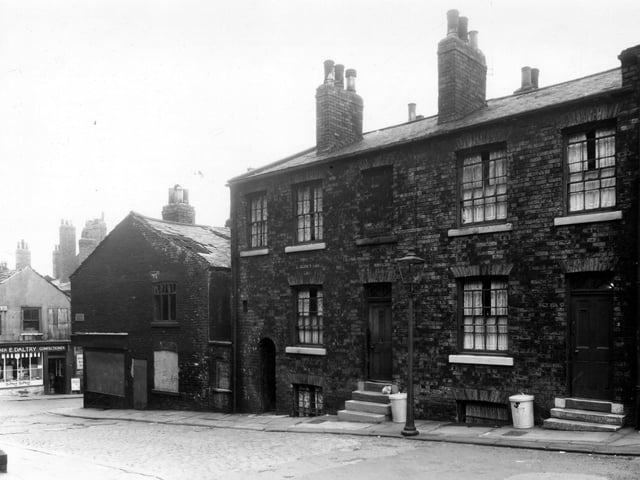
Upper North Street is on the left number 24 can be seen, a bakers shop, business of E. Daltry. Another shop 47, at the corner with Carlton Terrace has been boarded up. Next 3 then 5 on the right. Pictured in August 1959. Photo: West Yorkshire Archive Service