
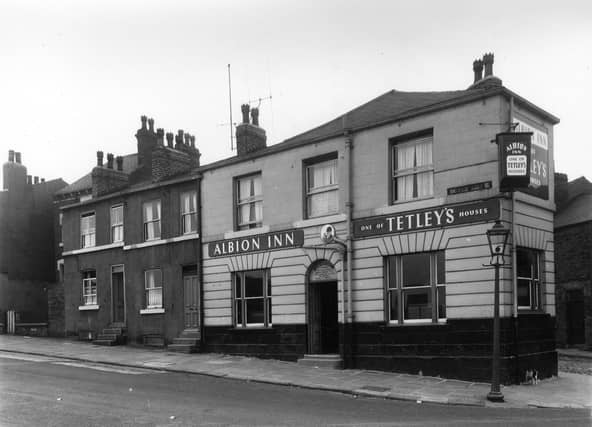


They take you back to the suburb in the 1950s and feature a range of familiar local haunts from pubs and fish and chips as well as corner shops and local factories. The images are published courtesy of West Yorkshire Archive Service, which collects and looks after the unique documentary heritage of the region dating from the 12th century to the present day - more than 800 years of local history. It also runs Catablogue, an online blog dedicated to preserving the past, serving the present and protecting the future. READ MORE: Photos showcase life in Little London during the 1980s LOVE LEEDS? LOVE NOSTALGIA? Join Leeds Retro on facebook YEP RETRO NEWSLETTER: Sign up for our free monthly email digest of Leeds nostalgia
7. Little London in the 1950s
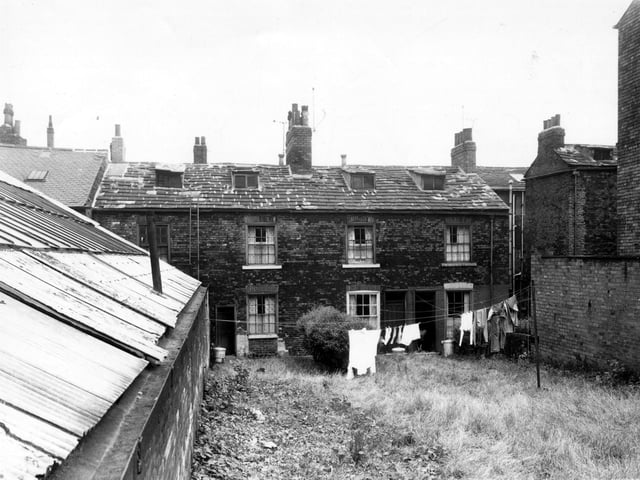
Looking across from Camden Terrace to the rear of houses which faced onto Upper North Street. Number 23 is on the left, 21 in the middle and 19 at the right side. Next, a gap then the gable end of 9 is on the right. Pictured in August 1959. Photo: West Yorkshire Archive Service
8. Little London in the 1950s
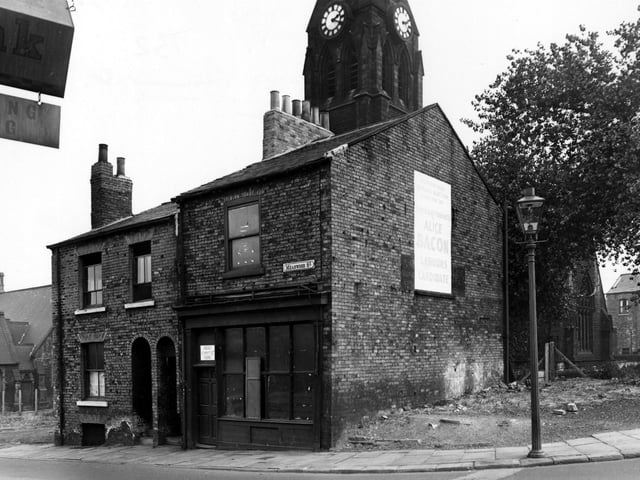
Meanwood Street in September 1955. A poster for Labour Party candidate Alice Bacon is on the side of the house. A street lamp is to the right. Behind is the spire of St. Matthew's Church. Photo: Leeds Libraries, www.leodis.net
9. Little London in the 1950s
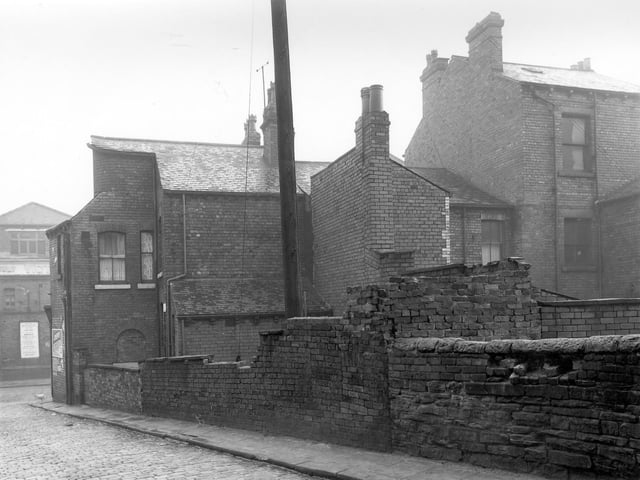
Looking down Villiers Terrace to the junction with Camp Road, the back of number 103 Camp Road can be seen at the corner. Across Camp Road, the Victory Cinema can be partially seen on the left. It was opened on Monday 16th August 1920, called the Victory Picture Palace. The proprietor was Reuben Churnin, the architect was J.P. Crawford, there were seats for 811 patrons. The first film to be shown was 'Mary Regan' with Anita Stewart. It was closed on January 18, 1959, seating at the front was still on wooden benches, locally the cinema was called the 'bug-hutch'. Disinfectant was liberally used. The last film to be shown was 'My Cousin Rachel' before the building was demolished. In this view, a poster on the wall advertises the showing of 'Destination Moon', released in 1950 and Bob Hope starring in 'Here Come The Girls', released in 1953. Photo: West Yorkshire Archive Service
10. Little London in the 1950s
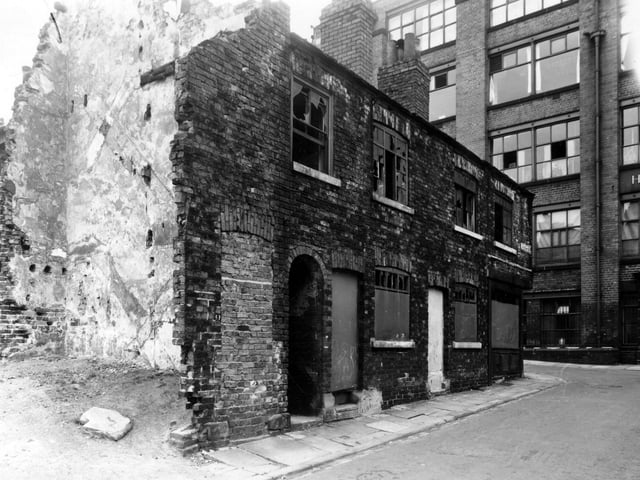
Derelict property on Upper North Street numbers 43 on the left to 47. This was the boarded up shop on the right, at the corner with Carlton Terrace. The factory on the right is Hepworths clothing company. It was one of the few buildings left in the area after the building of the Inner Ring Road. Now called Ventura, a financial call centre operation, which had Hepworths as a parent company, based there. Pictured in August 1959. Photo: West Yorkshire Archive Service
11. Little London in the 1950s
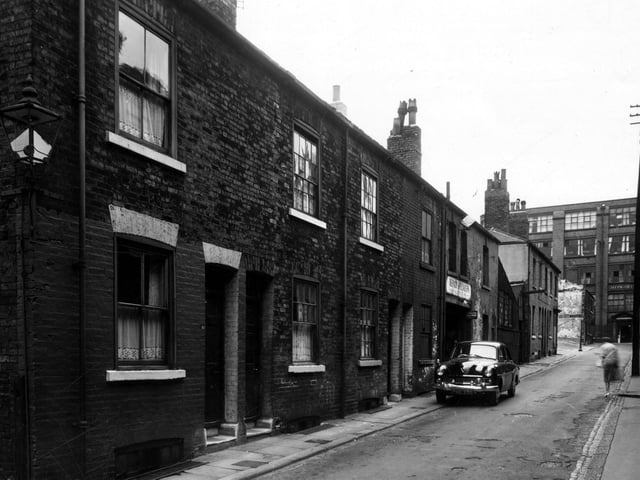
Looking from the direction of Woodhouse Lane down Upper North Street in August 1959. On the left is number 19, followed by 21, 23 and 25, then a motor repair business 'Eyebrow Garage'. At the end of the street Hepworths clothing factory can be seen. This business was begun by Joseph Hepworth in 1865. He started with premises on Bishopgate Street, then by 1881 had moved to Wellington Street. At one point Hepworth was operating from Marshalls mill in Holbeck. The building seen here was Hepworth House, it was extended in 1896 and again in 1907. Photo: West Yorkshire Archive Service
12. Little London in the 1950s
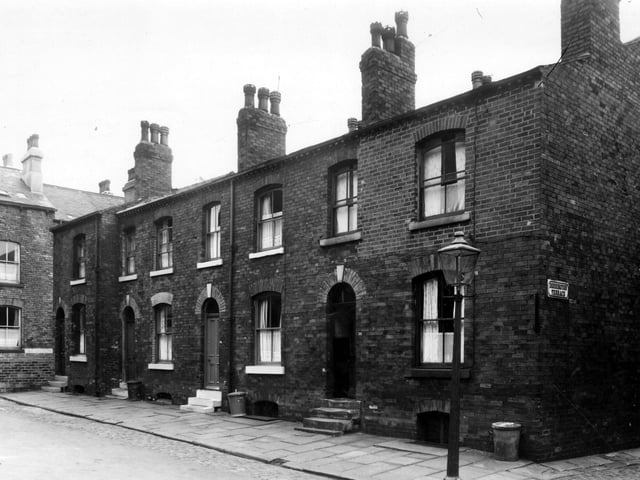
Back Cobden Place is on the left, then number 28 Dorrington Street. Moving right are 26, 24 and 22, which is at the corner with Dorrington Terrace. Pictured in August 1959. Photo: West Yorkshire Archive Service