11 philanthropists who made their mark on Leeds

The city of Leeds has been shaped by philanthropy.

PICS: YPNplaceholder image
PICS: YPN
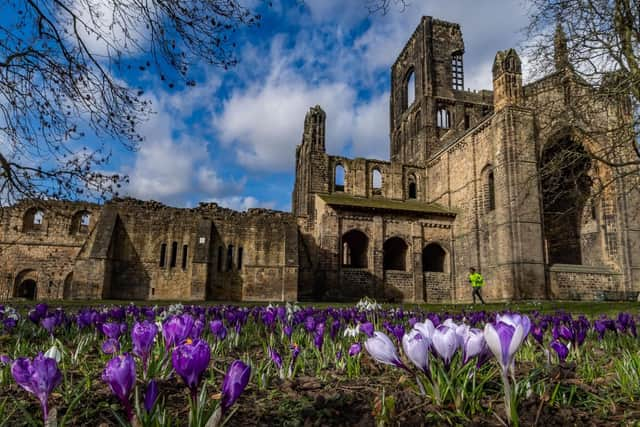
Born in Hunslet this self-made millionaire was responsible for buying and then donating Kirkstall Abbey to the city. He amassed a fortune by cornering the world market in nitrate, which was in great demand to make explosives.placeholder image
Born in Hunslet this self-made millionaire was responsible for buying and then donating Kirkstall Abbey to the city. He amassed a fortune by cornering the world market in nitrate, which was in great demand to make explosives.
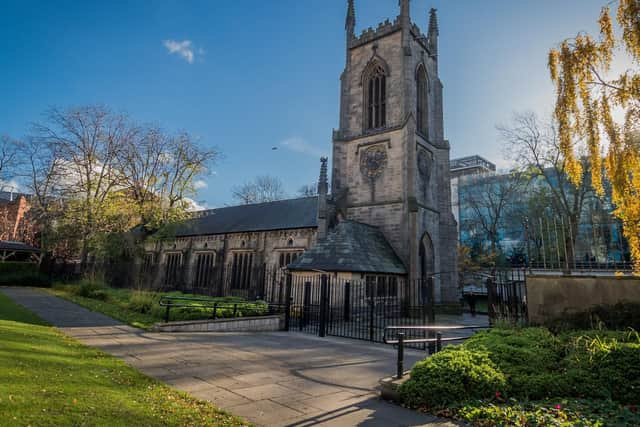
A wealthy merchant who founded St Johns Church in 1631 and paid for a new market cross in 1619. Harrison Street, which links New Briggate and Vicar Lane with the site of the Grand Theatre, is named after him.placeholder image
A wealthy merchant who founded St Johns Church in 1631 and paid for a new market cross in 1619. Harrison Street, which links New Briggate and Vicar Lane with the site of the Grand Theatre, is named after him.
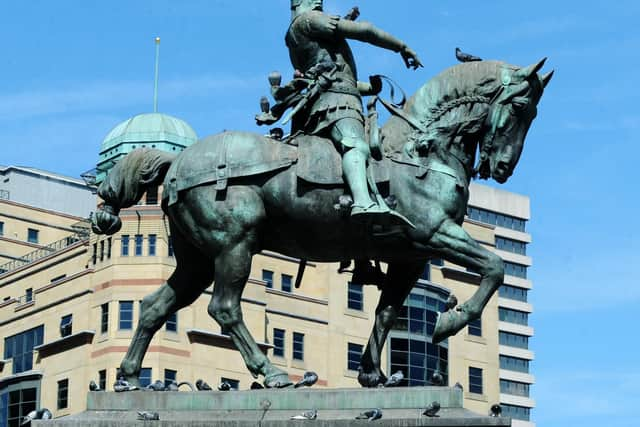
Wealthy and ambitious he paid for the City Square statue of the Black Prince, which was carved in Holland and brought to the city via barge. Was also the main benefactor of Leeds Art Gallery.placeholder image
Wealthy and ambitious he paid for the City Square statue of the Black Prince, which was carved in Holland and brought to the city via barge. Was also the main benefactor of Leeds Art Gallery.
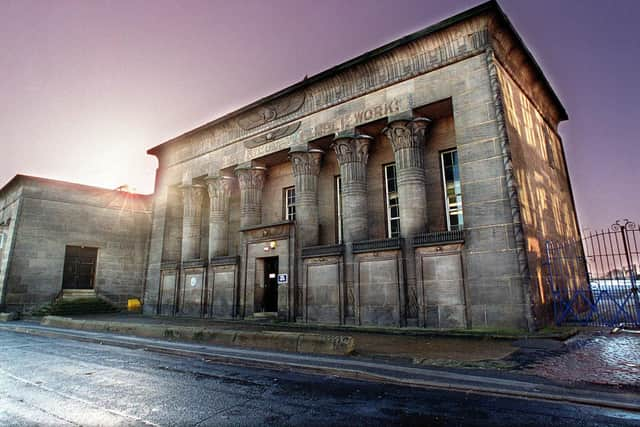
An eccentric businessman who built Temple Works, a building whose design was based upon the Temple of Horus at Edfu, Egypt. It had a grass roof, complete with grazing sheep.placeholder image
An eccentric businessman who built Temple Works, a building whose design was based upon the Temple of Horus at Edfu, Egypt. It had a grass roof, complete with grazing sheep.
Related topics:
Celebrating 135 years of telling Leeds' stories
Follow us
© 2026 Iconic Media Group Ltd. All rights reserved.Cookie SettingsTerms and ConditionsPrivacy notice