
'We all want the same thing': Leeds hospitality sector calls for greater recognition at YEP roundtable

Figures from Leeds’ hospitality sector gathered at Stuzzi this week for a roundtable discussion about the industry’s future
Leeds needs to do more to champion its hospitality scene, while rising costs, recruitment difficulties and concerns about city centre accessibility continue to challenge businesses, industry figures have said.
The issues were discussed at a roundtable organised by the Yorkshire Evening Post at Stuzzi on Monday (Oct 26), bringing together local restaurateurs, business owners and other stakeholders to discuss the future of the city’s hospitality sector.
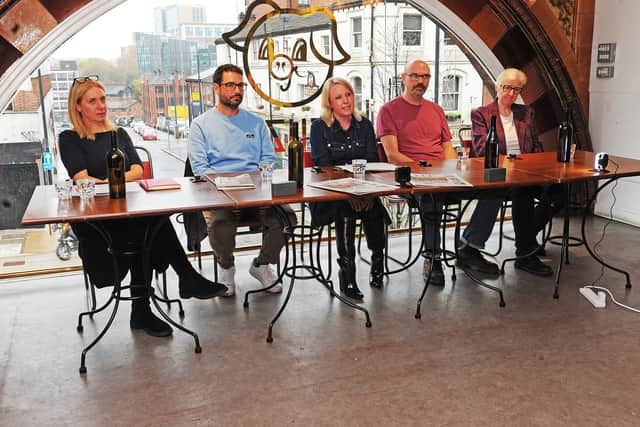

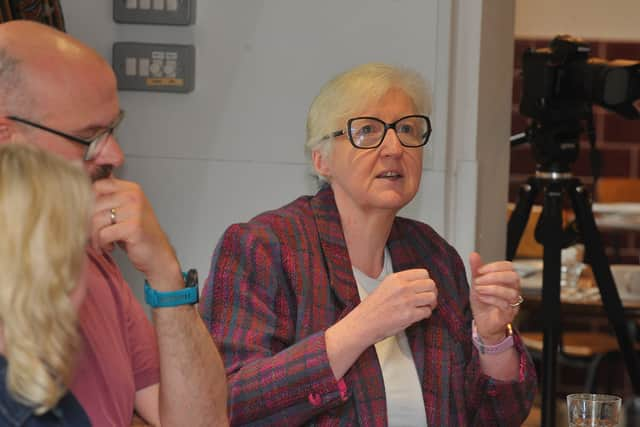
The event followed our summer campaign, Leeds Summer Served, and featured four panellists: Sandy Jarvis, co-owner of Bavette and co-founder of the Leeds Hospitality Collective; Chris Hill from Latitude Wine Merchants; Jo Myers from Swine Bistro; and Fiona Bolam, Leeds City Council’s chief officer for economy and skills. The discussion was moderated by YEP editor Laura Collins.
In front of an audience of fellow business owners and industry stakeholders, the panellists discussed recruitment and retention, council support, traffic management and rising costs.
Leeds as a leading hospitality city
The panellists agreed that the challenges facing the hospitality industry were among the toughest they had experienced in a very long time. Rising costs and shrinking margins are making everything from staffing to sourcing produce more difficult, while businesses connected to the sector are also facing mounting pressure.
The discussion explored how Leeds has changed over the decades, from a city where people would head to the suburbs at weekends to one with a bustling city centre, as well as the positives and negatives of that evolution.
Chris Hill, who has been part of the city’s hospitality industry for several decades, said that while Leeds had evolved into a hospitality destination, its identity differed from that of Manchester and London.
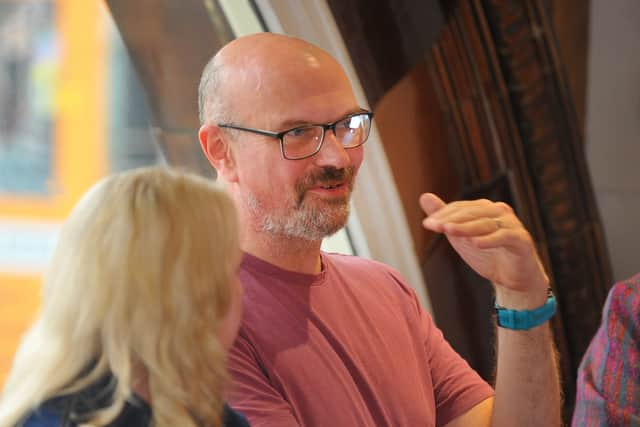
The panellists agreed that although Leeds is home to some world-class restaurants and bars, the city is afraid to shout about itself.
The discussion also touched on Leeds’ lack of a Michelin star, with the panel highlighting that achieving one is not an explicit aim of the city’s current approach to hospitality.
Fiona Bolam explained that the prospect of a Michelin star does not form part of the council’s hospitality policies or planning. The discussion raised questions about how actively Leeds promotes its food scene and what ambitions the city should have for its hospitality offer.
Recruitment and retention
A large part of the conversation centred on staff recruitment and retention, which panellists agreed had become more difficult in recent years.
Hospitality was once seen as an excellent stepping stone into a career, with many people taking their first jobs in the sector. However, slimmer margins mean businesses have fewer resources to train staff before they begin contributing to the business.
This has made it harder to recruit new staff, particularly those seeking short-term employment, such as students looking for part-time work while studying for careers outside hospitality.
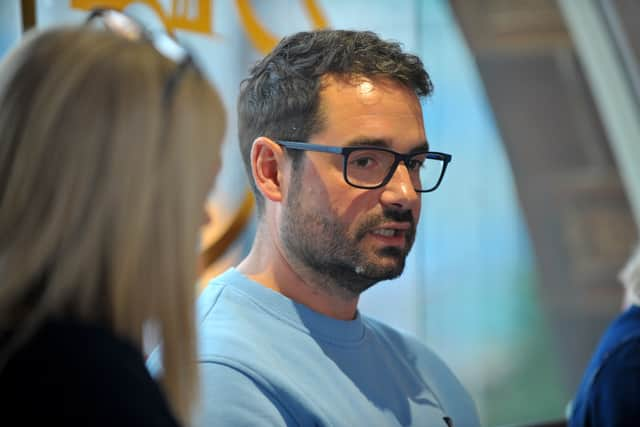
“We do so much in terms of training people how to be adults for their first job, giving people skills that they can use for the rest of their career,” said Jarvis.
“My husband often says that he thinks that rather than national service, everyone should have to do a year in hospitality. Because what it teaches you about engaging with people, meeting different types of people, getting on with people, is invaluable to whatever you go on and do if you decide it's not the industry for you.”
The panellists agreed that better communication between the sector, the council and local colleges was needed to create more opportunities for businesses and young people looking to enter the industry.
“The sector is so important to the city,” said Fiona Bolam. “It is a front door; it is what people see when they’re first here. But it’s also about making sure that we can work together on things like jobs for young people and make sure that the sector is as vibrant as possible.”
Panellists also highlighted how restaurant careers are often associated primarily with kitchen roles, while front-of-house and other positions are frequently overlooked as viable career options. They strongly disagreed with that perception.
Traffic and location
It is difficult to discuss Leeds city centre without mentioning road closures, traffic management and pedestrianisation.
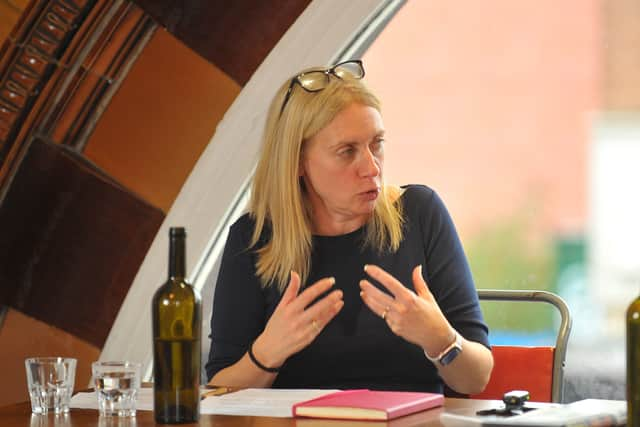
The panellists said they were not directly opposed to reducing traffic in the city centre. However, both panellists and audience members said customers had told them the city centre had become less accessible, with some opting to stay outside it because of traffic and parking issues.
There was also a feeling that some areas received more attention than others, while many suburban restaurants relied on being destination venues to attract customers.
Looking ahead
Despite the challenges facing the industry, the roundtable concluded on a positive note, with a shared desire for the council and hospitality businesses to work together.
Panellists called for better communication and more effective ways for the sector to engage with the local authority, ensuring that the needs of hospitality businesses are heard when decisions affecting the city are made.
After the roundtable, Jo Myers said: “I think it’s very encouraging that people that I know of but maybe haven’t had a chance to have a good conversation with in a long time, we’re all on the same page, we all want the same thing, and that is growth within Leeds in a sustainable way.
“It’s just good to be in a room with people who are very like-minded. Sometimes when you’re running an independent business you do feel like you’re by yourself and it is important to have those connections with other independent business owners.
“Not just in hospitality but all the businesses that are adjacent to that, like the coffee roasters, like the cheesemongers and the veg suppliers.”
Fiona Bolam added: “I think one of the main things that I take with me is that we’ve got a really positive and vibrant sector here. I think we need to find the right mechanisms for engagement with the council, actually, so that the voice is heard.
“And I know that it’s often heard with elected members because they’re really embedded in the community as well.”
While some challenges need to be addressed by the Government, the roundtable highlighted a shared desire for the council and the hospitality sector to work together to ensure Leeds remains one of the best places in the UK to eat, drink and entertain.