


They feature a range of local landmarks from Coffin Corner to the local Co-op as well as shopping streets including those in Morley Bottoms which were home to a range of independent retailers before the supermarket giants moved in nearby. The images are published courtesy of the David Atkinson Archive whose collection is housed on photographic archive Leodis, which is run by Leeds Library & Information Service. READ MORE: Memories of lost Leeds pubs in Morley, Gildersome, Churwell and Drighlington LOVE LEEDS? LOVE NOSTALGIA? Join Leeds Retro on facebook YEP RETRO NEWSLETTER: Sign up for our free monthly email digest of Leeds nostalgia
7. Morley in 1967
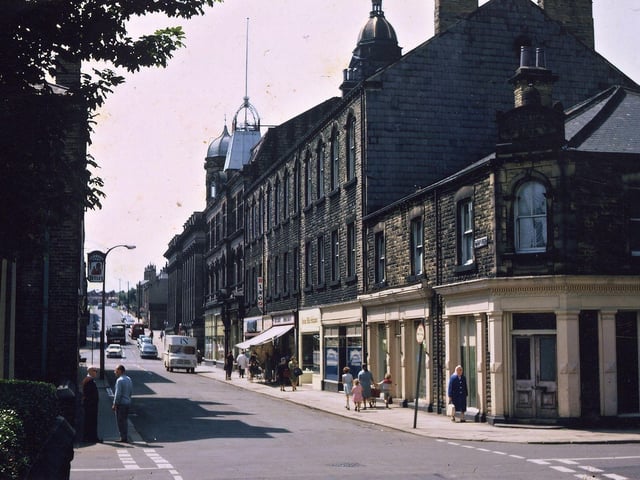
Albion Street from the junction with Commercial Street. The Co-operative shops on Queen Street are still in existence but those on Albion Street, especially those that date from 1869, are all in the process of changing hands and the Co-op Hall already has a bingo notice outside. Note that Albion Street is still continuous as far as Corporation Street. | David Atkinson Archive Photo: David Atkinson Archive
8. Morley in 1967
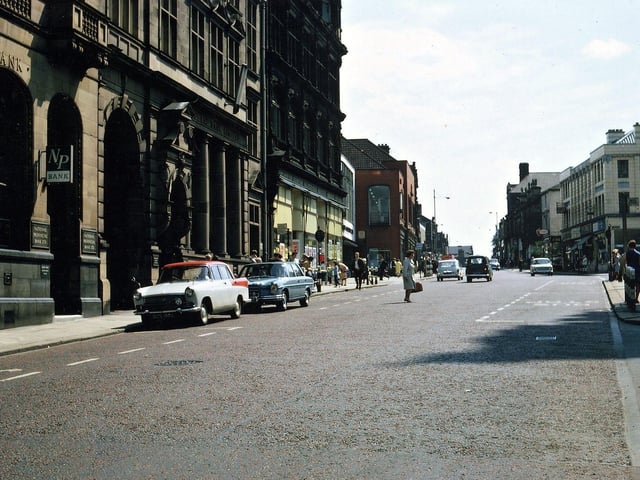
Queen Street shows a new building for the Midland Bank having replaced the single storey structure. This has also absorbed the Blue Ribbon coffee tavern. The single storey cottages just before Albion Street have been replaced by the 1899 three storey Co-op building. This cuts off any view of the site of the Manor House and what replaced it. Similarly there is nothing visible of any buildings down Hope Street. The Queen's Hotel is no longer prominent as it has been reduced from four to two storeys. The part of Wesley Street Mill adjoining Queen Street has also been knocked down as have old shops beyond Albion Street. | David Atkinson Archive Photo: David Atkinson Archive
9. Morley in 1967
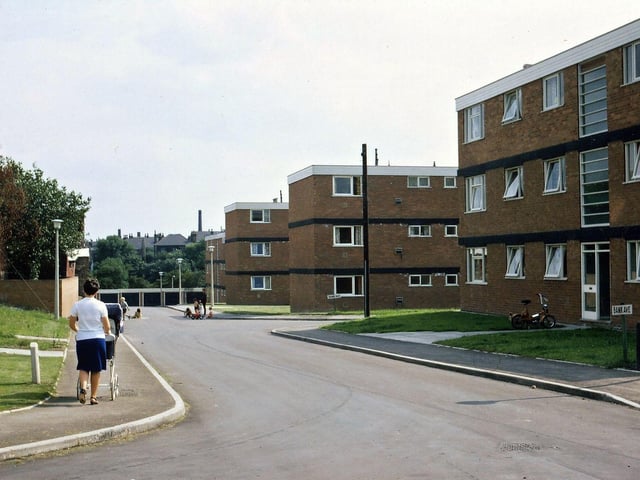
New flats on the site of Jackson Lane which by the time that this photograph was taken had been renamed Bank Avenue. The road off to the bottom left followed the route of Cross Church Street, but the entrance into Bank Street at the bottom of Jackson Lane (Bank Avenue) had been blocked off by the garages at the bottom of the street in this picture. The main road turned right just before where the children are playing and came out into Bank Street opposite the Club Field Steps (i.e. behind the Conservative Club). The only way out by car was into Bank Street and then Brunswick Street. Photo: David Atkinson Archive
10. Morley in 1967
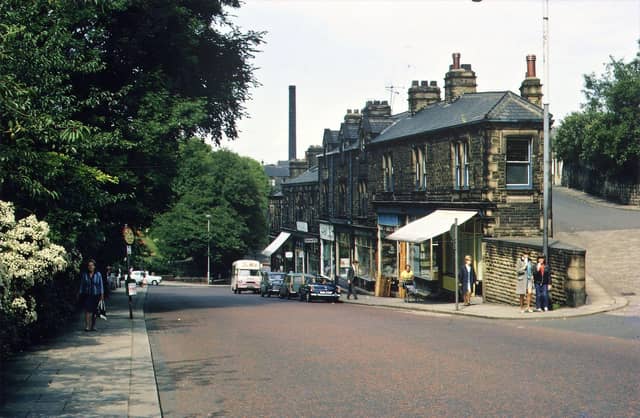
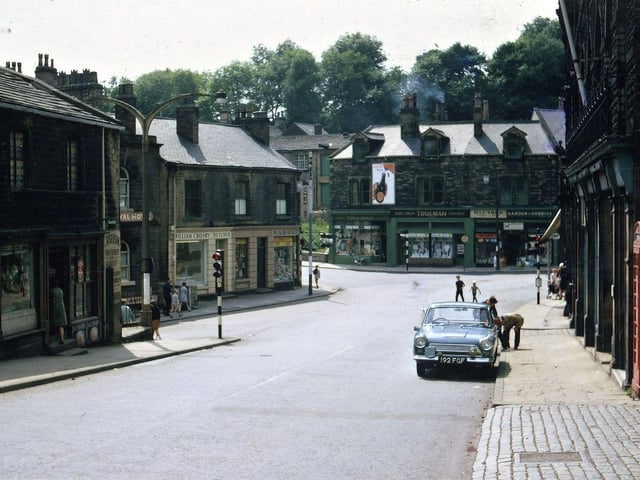
Looking into Morley Bottoms from the foot of the Club Field steps. The area at this time still had its long established and well respected retailers including R. A. B. Riley, A. Rogerson, W. Crosby, Misses Toulman and the Garden Centre, and had not felt the full effects of the newly growing supermarkets. | David Atkinson Archive Photo: David Atkinson Archive
11. Morley in 1967
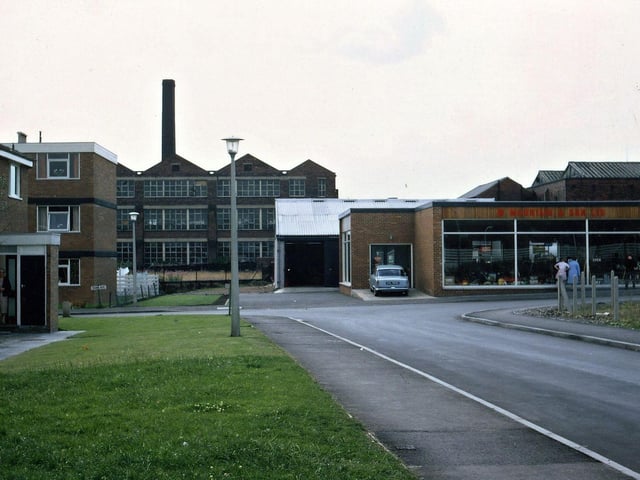
After the last vestiges of Jackson Lane were cleared away at the end of 1963 the redevelopment of the area took place quite rapidly with new street patterns being laid out besides the new housing. Here can be seen the new showrooms for W. Mountain and Son, horticultural machinery suppliers, from the flats at the side of the former Cross Church Street (now Church Way). The 1934 Prospect Mill Building and older chimney is to be seen in the background. The area in the foreground used to be a warren of old yards which were all swept away and Jackson Lane itself was renamed Bank Avenue. | David Atkinson Archive Photo: David Atkinson Archive
12. Morley in 1967
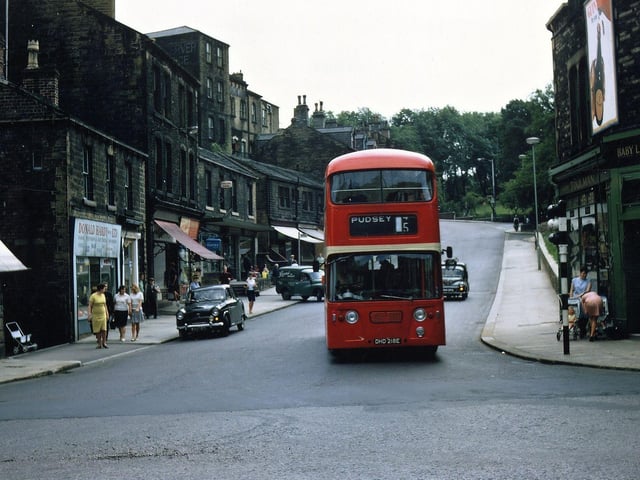
A Pudsey bus (Yorkshire No. 5) passing through Morley Bottoms in August 1967. The view is looking up Scatcherd Hill and shops prominent on it are Donald Hardy, electrical goods, Thompson's newsagents and Misses Toulman, baby linen | David Atkinson Archive Photo: David Atkinson Archive