
West Yorkshire tram network could deepen regional inequalities, consultation warn

Mayor Tracy Brabin is under pressure to deliver the £2.5bn project, and has repeatedly pledged to bring trams back to West Yorkshire.
West Yorkshire's £2.5bn mass transit scheme risks widening regional divides if it remains overly focused on city centres rather than communities with poor transport links, a major consultation has warned.
Feedback gathered on the long-awaited project revealed deep concerns that early proposals run alongside existing railway lines rather than reaching towns and villages in dire need of better connections.
A West Yorkshire Combined Authority (WYCA) survey examining development strategies around proposed stations - due to be reviewed by regional leaders next week - revealed that “consultees outlined concern with the ongoing design and proposed location of mass transit”.
Key stakeholders, including Leeds United, alongside local residents, demanded “much greater clarity and transparency around proposed mass transit routes, priorities, and impacts”.
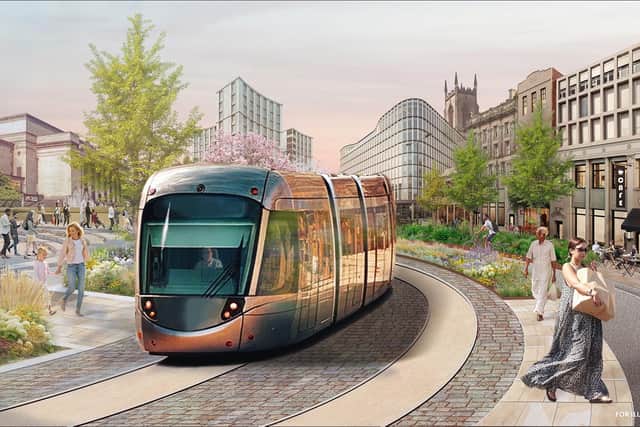

The report stated: “There was concern that current proposals are overly city-centred, insufficiently specific, and risk reinforcing inequalities across West Yorkshire.
“Many respondents questioned route choices, particularly where proposals appear to duplicate existing rail services or bypass town centres and argued instead for focusing investment on densely populated areas, towns, villages, and communities with poor existing connectivity and areas without rail access.
“There were repeated requests for clearer information on which areas will benefit, realistic acknowledgement that mass transit cannot cover the entire region, and an assessment of impacts on communities not directly served, including effects on bus services, property values, and long-term accessibility.”
West Yorkshire Mayor Tracy Brabin has repeatedly pledged to return trams to the region's streets, but faces growing scrutiny over delivery.
Initial route options put to the public included lines from Leeds Station to Bradford via Armley and Pudsey, alongside a southern corridor through Holbeck serving Elland Road and the White Rose Shopping Centre.
Those plans must now be reassessed after a critical Government review ordered Ms Brabin to overhaul her approach, pushing the targeted completion date back from the early 2030s to the end of that decade.
Before fresh public consultations can take place, the mayor must submit formal business cases to the Department for Transport covering both a tram network and a bus system. Once approved, the exact corridors will be revisited.
Despite the reset, an Elland Road connection remains almost certain after proving to be the single most popular destination during the initial consultation.
Ms Brabin has been under pressure to improve transport infrastructure in less connected parts of West Yorkshire, through both mass transit and the ongoing bus franchising plans.
It is understood that WYCA felt that the best chance of getting £2bn from the Treasury for the proposed tram network was by linking the region’s two biggest cities in Leeds and Bradford.
After the first phase is complete, the hope is that the network can mirror cities like Manchester and Nottingham and continue to expand to Leeds Bradford Airport and areas like Kirklees and Wakefield.
In Greater Manchester, after the first phases of the tram were complete, the combined authority was able to use business rates to build new lines, something which has been devolved to Leeds.
A WYCA spokesperson said: “This document will help support delivery of mass transit across West Yorkshire – but is not about gathering feedback on or deciding specific routes.
“As part of our Weaver Network, mass transit will provide a new form of fast, reliable and attractive public transport – boosting jobs, housing and economic growth across our region.
“We’ll continue to engage with the public on our vision for this transformative investment as our plans progress.”