
‘Strong men are vulnerable’: Former Leeds Rhinos captain on men’s mental health and life beyond rugby
From winning trophies at Headingley to launching a men’s mental health magazine, former Leeds Rhinos captain Stevie Ward reflects on his career, the importance of vulnerability and finding a new purpose beyond rugby league
A former Leeds Rhinos captain has spoken out about the “power of being vulnerable”, as he navigates life beyond the rugby pitch.
With campaigns such as Movember and International Men’s Day continuing to shine a light on men’s wellbeing, Stevie Ward hopes more people will recognise the importance of creating opportunities for honest conversations.
Having spent much of his life in the physically demanding world of professional rugby league, Stevie knows all about the expectations placed on men to be strong.
But the former Leeds Rhinos captain believes one of the most important lessons he has learned, both on and off the pitch, is the power of being vulnerable.
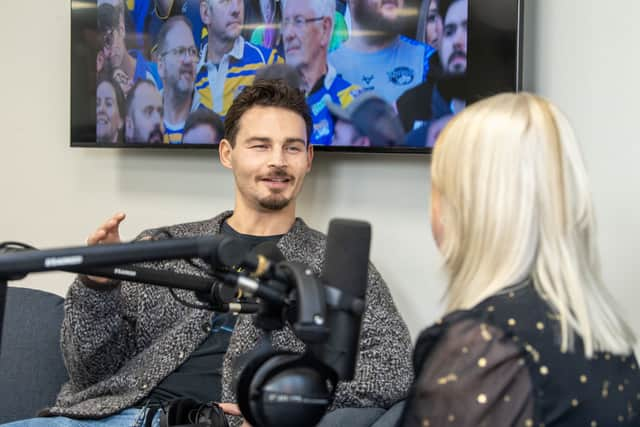

Now working as a keynote speaker and leadership coach, Stevie is using his experiences to encourage conversations around men’s mental health, something he has been passionate about for more than a decade.
He told the Yorkshire Evening Post: “I’ve seen firsthand the power that people get from vulnerability.
“I’ve seen it in changing rooms and during pre-season camps, when big, strong men are vulnerable.
“I could never let that go.”
Stevie, who grew up in Leeds, recalls being captivated when he first encountered a rugby ball at his childminder’s neighbour’s house, describing himself as “mesmerised” by it.
Despite neither of his parents being particularly interested in the sport, he soon joined an amateur team in Morley, where he quickly fell in love with the game.
He went on to make his Leeds Rhinos debut at just 18, eventually becoming captain and playing a key role in one of the club’s most successful periods, including the 2012 Grand Final victory and the 2015 treble.
For Stevie, representing Leeds was about much more than what happened on the pitch.
He said: “I hold a lot of my Leeds-ness with me wherever I go.
“And that’s not just the accent, but I think the way that I’ve been raised, and because I’ve lived in this city for such a long time.”
He recalls going from watching his childhood heroes from the South Stand at Headingley to eventually sharing the pitch with them.
“It was like I was waiting for Christmas," he said.
“Waiting to be old enough to play, waiting to be recognised enough to play, waiting to belong in a team that I was watching on TV and from the South Stand.”
However, alongside the success came the pressures of professional sport, particularly when he was being tipped as the next Kevin Sinfield.
Stevie admits the comparison sometimes made him question how he should play and behave, rather than simply trusting his own abilities.
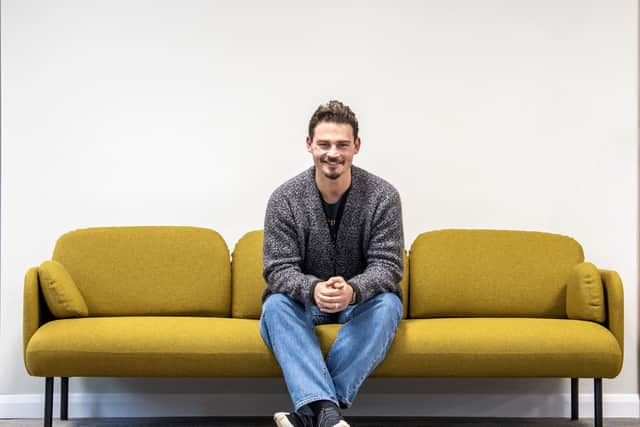
It is something that has since influenced his work around authentic leadership, which centres on letting go of expectations and being comfortable with who you are.
Stevie first began exploring those ideas while still playing, launching Mentality, an online magazine about men’s mental health, in 2016 alongside his best friend Dom.
At just 22, he wanted to explore how wellbeing and vulnerability could exist alongside the demands of professional sport.
He told the YEP: “I could be vulnerable and then go and make 50 tackles at the weekend.”
Ten years on, he remains passionate about creating spaces where men feel able to speak openly.
One of his proudest moments was organising a three-day retreat in 2018, bringing together 12 men from different parts of the UK and the world.
He says the conversations changed his understanding of what was possible when men were given the opportunity to connect without judgement.
He said: “I get energy from speaking to all sorts of people. I’m fascinated by the power of vulnerable conversations and the power of really listening to people.”
His own understanding of mental health was also shaped by the premature end of his rugby career.
Retiring at the age of 27 following persistent headaches, dizziness and sensitivity to light and noise, Stevie suddenly had to find a new direction after spending much of his life working towards becoming a professional rugby player.
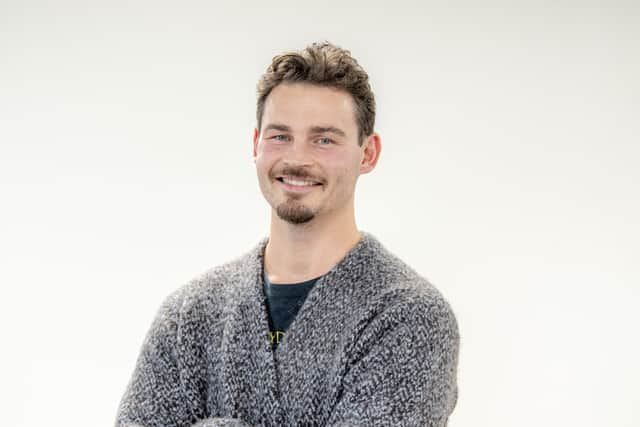
“There was a lot of fear, doubt and insecurity, and questions about why it had to end like that,” he shared.
“There was a lot of emotion and grief.
“I’ve probably cried more in the last five or six years than I ever did when I was a young child.”
Since then, he has completed a master’s degree in Sport Business Management at Leeds Beckett University, with his dissertation examining how fear can act as both a barrier and a facilitator to authentic leadership.
Now, he brings together his experiences in rugby, academic research and his interest in mental wellbeing through keynote speaking, coaching and workshops.
Reflecting on how conversations around men’s mental health have changed since he launched mentality, he said: “I’m lucky to be living in an era where I have time to understand emotion and speak about it.
“I can speak on a panel or speak in front of a room full of people because that probably wasn’t afforded to many men before us.”
And when asked what advice he would give his eight-year-old self, his answer is perhaps more personal than anything he might have said during his playing career.
“It’d be about finding the people you love, that you connect with and that you click with,” he said.
“Showing your gratitude to them everyday and supporting them in every way you can.”
For Stevie, life beyond rugby has ultimately been about discovering that there is more to being successful than what you achieve on the pitch.