
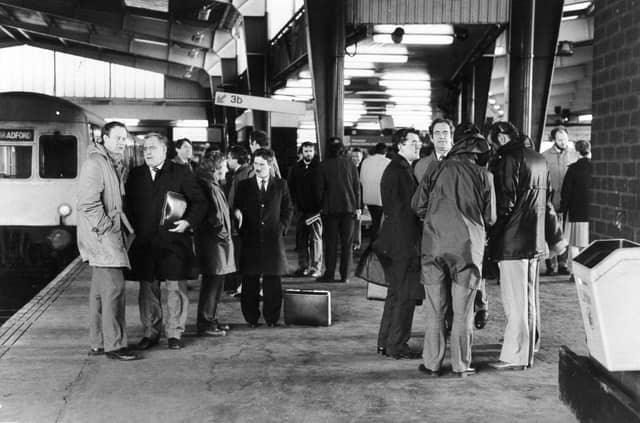


Transport issues – both good and bad – dominated the city’s news agenda during 1986, a year which also featured Kirkgate Market traders take to the streets in opposition to redevelopment plans. These photos provide a fascinating glimpse into life across the city over the 12 months which included a number of changes and challenges. They are a mix from the YEP archive and others published courtesy of photographic archive Leodis, which is run by Leeds Library & Information Service. They also run heritage blog The Secret Library Leeds, which provides a behind the scenes look at the Central Library and highlights from its special collections, including rare books hidden away in the stacks. READ MORE: 15 photos to take you back to Leeds in 1985 LOVE LEEDS? LOVE NOSTALGIA? Join Leeds Retro on facebook
19. Leeds in 1986
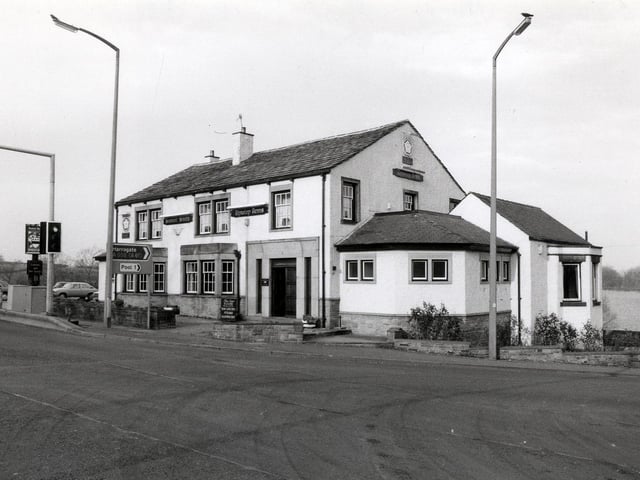
The Dyneley Arms located at the junction of Leeds Road and Pool Bank New Road. A pub has stood here since at least the mid 19th century but the original Dyneley Arms was replaced by this one at some point. The pub as seen here closed down in October 2002 after suffering severe damage in a fire. Photo: Leeds Libraries, www.leodis.net
20. Leeds in 1986
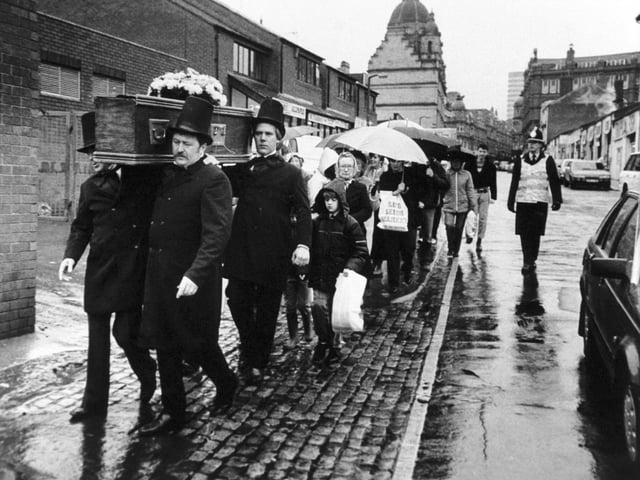
Leeds Kirkgate Market traders delivered a petition in October 1986 signed by 250,000 people opposing council plans to redevelop their market - and they carried it in a coffin. Traders dressed as pallbearers delivering the peition in a coffin to Leeds City Council planning officials. Photo: Mel Hulme
21. Leeds in 1986
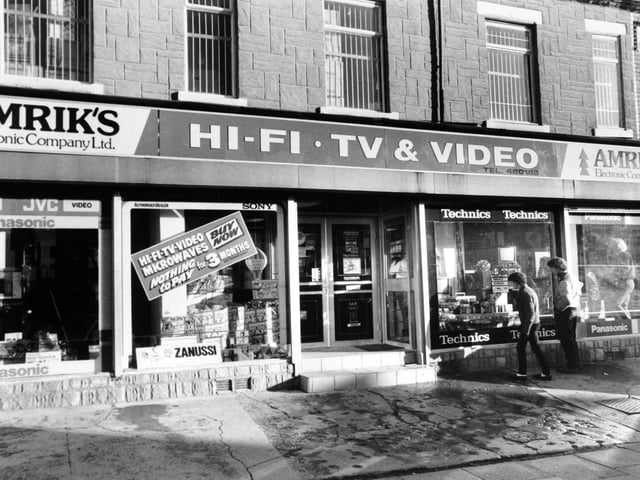
Electrical retailer Amrik's on Harehills Lane in December 1986. Photo: YPN
22. Leeds in 1986
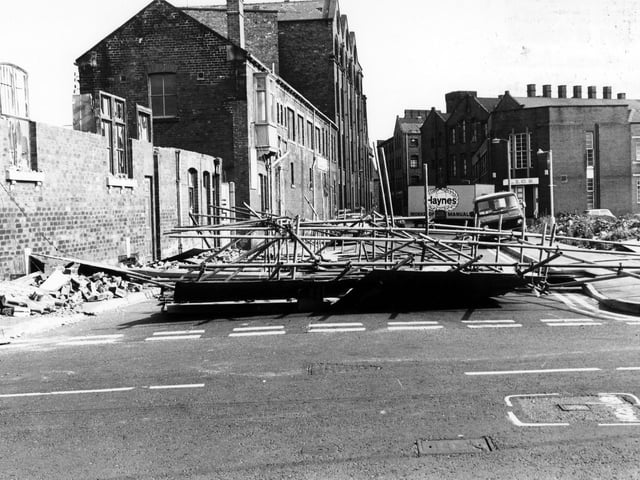
David Street looking from Manor Road in June 1986. On the left, demolition is taking place of numbers 39 to 41 David Street, blocking off the road in the process. On the right is a cleared area where St. Francis' R.C. Church and St. Joseph's R.C. Secondary School once stood. Behind this is a department of the Leeds Industrial Co-operative Society. Photo: Leeds Department of Planning
23. Leeds in 1986
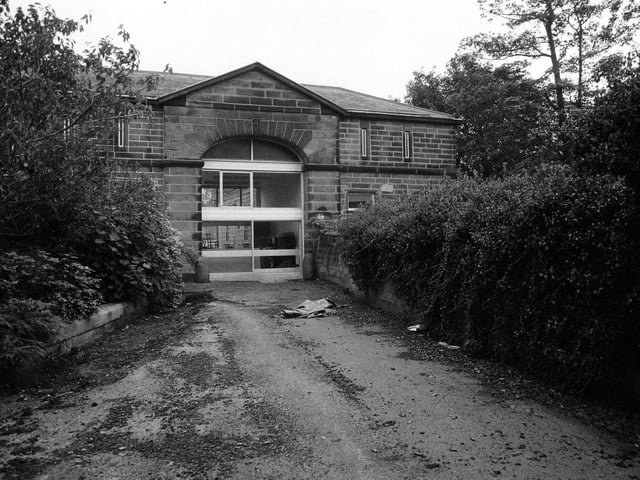
The coach house at Cookridge Hall, built by Richard Wormald in 1820. He had lived at Cookridge Hall for some years as a tenant of the Sheffield family. He bought the estate and began a number of improvements including the construction of the coach house, stables, gate house, gates, icehouse, game larder and store Photo: Leeds Libraries, www.leodis.net