
The surprising reason why clubbing boosts wellbeing for women in midlife, according to Leeds Uni researchers

Clubbing boosts wellbeing for women in midlife, new study from Leeds academics finds
Researchers at the University of Leeds have found that clubbing could be doing far more for women over 40 than simply providing a night out.
A study by Leeds academics found that 91 per cent of women surveyed said attending electronic dance music events had a positive impact on their wellbeing, with music, friendship and a sense of community among the biggest reasons they keep returning to the dancefloor
The results of an online survey, published in the peer-reviewed journal Psychology of Music, asked 136 women over 40 about their experiences at electronic dance music (EDM) events.
And it warns that the night time industry needs to respond to the fact that older people want to participate in mainstream clubbing culture, and not exclude them from these spaces

Alinka Greasley, study co-author and Professor of Music Psychology at Leeds’ School of Music, said: “Our research showed that older women’s top three reasons for attending club nights were the music itself, friendships and a sense of community. These motivations are similar to those reported by younger age groups.
“What does change between different age groups is the challenges older women face. In the survey, women talked about their sense of belonging in EDM spaces, dressing down to avoid attracting attention to themselves, and some concerns around safety.
“However, participants reported adopting strategies to navigate their experiences to make sure they could enjoy their night – balancing the tiredness the next day with the energising effect that going out dancing gives them.”
Participants said attendance at electronic dance music events is a form of ‘therapy’ which keeps them physically active, releases stress and tension, improves mental health and helps them feel part of a community.
Alice O’Grady, study co-author and Professor of Applied Performance at Leeds’ School of Performance of Cultural Industries, added: “We’re seeing the rise of day raves and retro nights, but older people don’t just want to hark back to the past.

“They want to participate in a culture where there’s new music and innovation. The nighttime industry needs to respond to the fact that older people want to participate in mainstream clubbing culture, and not exclude them from these spaces.”
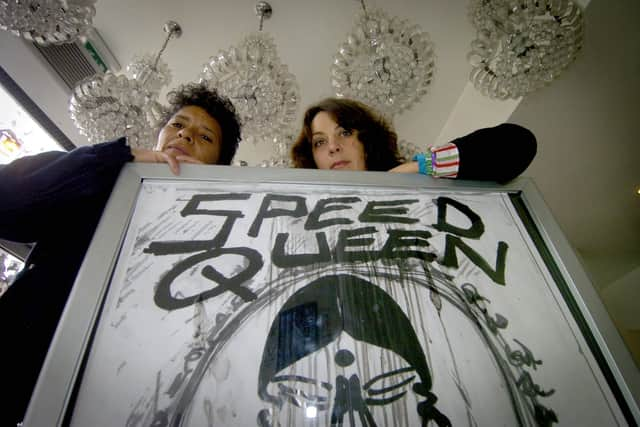
Suzy Mason, club culture archivist, promoter and co-founder of the first inclusive safe club spaces in Leeds in the 90s, Vague and Speedqueen, said: “Inclusive clubbing across generations is so important because on the dancefloor, it’s the one place where we all feel like we can be ourselves, listen to music, and not feel like we’re being judged or criticised.
“For older women, we spend a lot of time being judged or criticised, whether that’s externally or internally. We should all support and encourage clubbing for all ages because we’re all going to get older.”
The survey was conducted during the Covid-19 pandemic, so the research also looked at the impacts of not being able to go out dancing.
According to the results, alongside a decrease in physical activity, the most common consequence of not being able to dance were depression and loss of identity.
Looking ahead, the researchers say more work is needed to understand how intersectionality of not just age and gender but ethnicity, class, and sexuality impacts people’s participation in clubbing.
They also hope to collaborate with venue owners, club promoters and DJs in Leeds to investigate how barriers to participation can be tackled to ensure clubbing is open to all.