
78.4% of Brits choosing to stay in their homes as they age, survey finds
As more Brits choose to remain in their homes as they age – an expert say simple adaptations could make all the difference.
With life expectancy rising and the UK’s population steadily ageing, a growing number of older adults are deciding against moving house in later life.
Instead, they’re opting to “age in place” - staying in the homes they know and love.
A recent survey from Stiltz found that 78.4% of adults aged 60 and above would prefer to remain in their current home as they grow older.
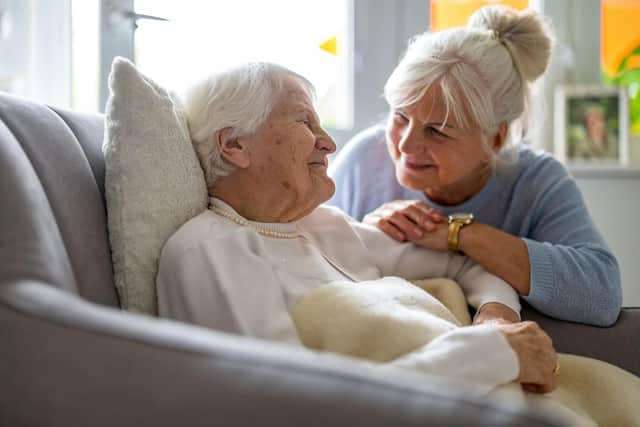

That figure reflects a wider shift in how people are approaching ageing, with comfort, familiarity and independence taking priority over relocation.
Age UK estimates that by 2030, 21.8 per cent of the population will be aged 65 or older. Of those, 6.8 per cent will be 75 or older, and 3.2 per cent will be over the age of 85.
Experts believe this demographic trend, combined with difficulties in the housing market and the rising cost of living, is driving the desire to stay put.
But ageing at home doesn’t come without its challenges - and for many, it means making a few changes around the house.
The importance of making the correct adaptations at home is underscored by 92.4% of respondents saying maintaining independence in their home is “very important”.
Likewise, 64.4% said they felt their mental health is "significantly impacted" by their level of independence, however 52.2% of respondents said they “rarely thought” about improving the accessibility of their home until it became an issue.
Mobility specialists say there are a number of adjustments that can help people stay safe and comfortable in their homes for longer, some of which might come as a surprise.
“When you explore adapting a home, you have to look at the things that are going to cause the most issues as you age,” said Matthew Armstrong, Director at EMS Lifts.
“Common hazard areas like stairs which can cause trips and falls, bathrooms which may have wet surfaces causing you to slip or parts of the home where you might find yourself sitting and standing often. Any of those areas can be difficult when we become less mobile as we age.”
Basic fixes like handrails and grab bars in bathrooms are a popular first step for homeowners looking to improve safety - particularly where floors can become wet or slippery. But Armstrong says there are other, lesser-known modifications that can make a huge difference too.
“There are less commonly mentioned sets of equipment and modifications that people can make, which can have a huge impact on their lives.
“Adjustable beds or rise and recline chairs can help people to take strain off their joints if they have difficulty sitting or standing, but one of our increasingly popular solutions, is a home lift.
“Many people are surprised to discover that a home lift can be a viable alternative to a stairlift.
“With a compact footprint and a range of modern designs, home lifts offer a practical and stylish solution for maintaining independence without compromising on space or aesthetics.
“For some households, they can also provide a more seamless and future-proof option for moving around the home comfortably.”
While not all conditions can be accommodated at home - particularly degenerative or long-term care needs - experts agree that even modest adaptations can extend a person’s ability to live independently in their own space.
“Although there are some conditions that may still require care outside of the home, especially long term or degenerative conditions, these adaptations are a great way to provide the most support and allow you to continue to use the home you’ve built,” Armstrong added.
As more people choose to stay where they are in later life, the conversation around ageing is shifting — and with the right support, more homes across the UK could become places to grow older safely, comfortably, and with confidence.