
New rugby league laws explained as video referees & goal kickers face major changes
Two new rules, affecting video referees and goal kicks, will come into effect in the 2026 rugby league season.
The RFL board have approved the changes, which were recommended by the sport’s laws committee. From next year, if the on-field referee believes a try has been scored, it will be awarded and then reviewed by the video official without the clock being stopped.
If the live decision is ‘no try’ and the on-field officials ask for a review, time will be called off and the decision sent to the video assistant. Conversions won’t be permitted until the video ref is satisfied the on-field decision of ‘try’ should not be overturned.

If the video official hasn’t finalised the review within 80 seconds of the try being awarded, or before the kicker attempts the conversion, the referee will call time off. If the on-field decision of ‘try’ is overruled, the score will be disallowed and the game clock reset to the point the referee blew his whistle to award the touchdown.
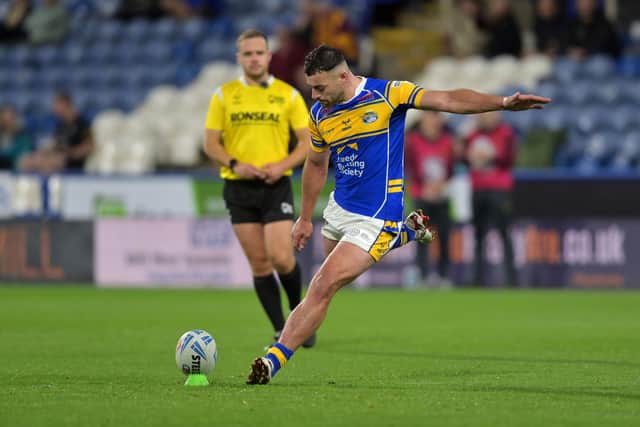
The other amendment is the introduction of a 60-second time limit for penalties and conversions. A statement from the governing body said: “The clock will be started once the video referee review outcome is confirmed as ‘try’. The ball must be kicked before the expiry of the shot clock. If the kicking process is corrupted, ie ball falls off the tee, the shot clock will be stopped and will not restart, with the kick allowed to take place.” The law amendments will only apply in matches with an appointed video referee and timekeeper.