
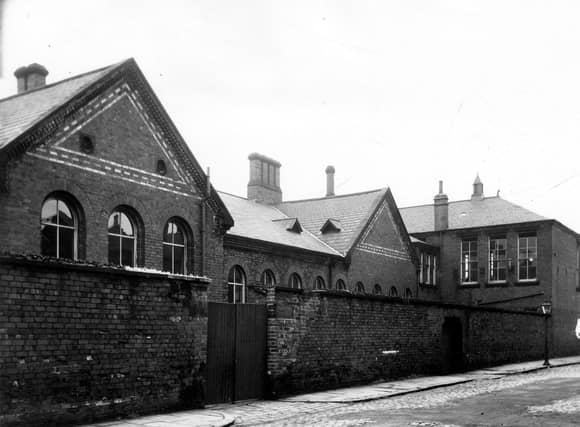


Bewerley Street Infant School was the first purpose built school to be built by Leeds School Board and opened its doors to pupils on August 8th, 1873. It boasted classrooms with large, arched windows and behind the high wall, toilets are located. By the 1950s, the school was for juniors (7-11 years), the Infants having moved to a school on Hunslet Hall Road. This photo dates back to 1964 and is one of more than 20 celebrating a year in the life of the community. The images are published courtesy of West Yorkshire Archive Service, which collects and looks after the unique documentary heritage of the region dating from the 12th century to the present day - more than 800 years of local history. It also runs Catablogue, an online blog dedicated to preserving the past, serving the present and protecting the future. READ MORE: 21 happy-go-lucky photos take you back to Hunslet in the 1990s LOVE LEEDS? LOVE NOSTALGIA? Join Leeds Retro on facebook YEP RETRO NEWSLETTER: Sign up for our free monthly email digest of Leeds nostalgia
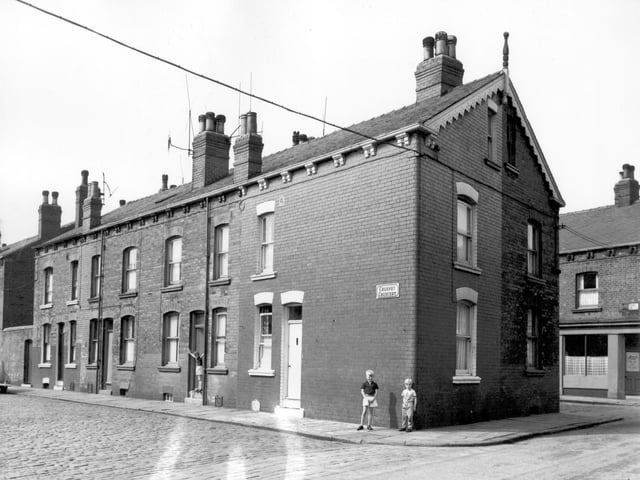
13. Hunslet in 1964
Chesney Crescent is on the left. Moving right numbers follow in sequence to 8 on the right. Hillidge Place can be seen on the right with Chesney Place on the right edge. Pictured in August 1964. Photo: West Yorkshire Archive Service
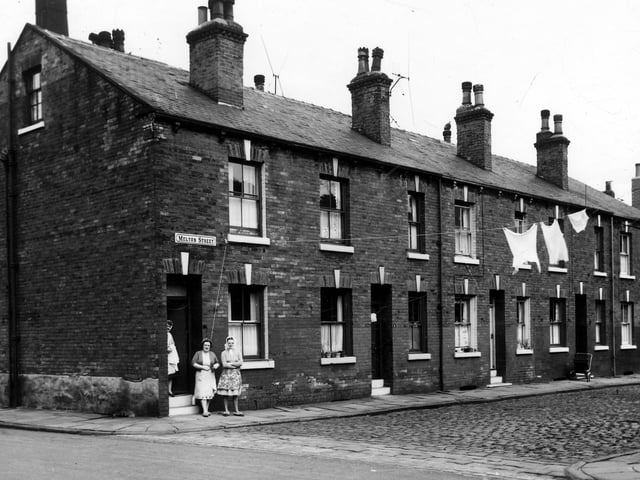
14. Hunslet in 1964
Melton Street taken from the junction with Bewerley Street, showing, from left to right, numbers 1 to 9. Three women pose for the camera at number 1. These properties were in an area scheduled for demolition in line with the Housing Act of 1957. Pictured in June 1964. Photo: West Yorkshire Archive Service
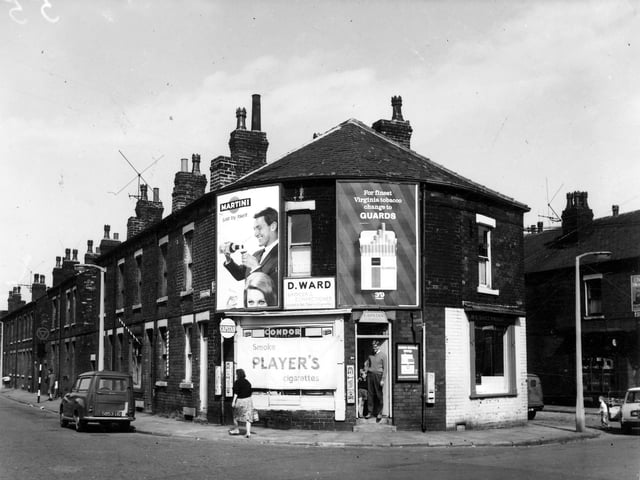
15. Hunslet in 1964
On the left are back-to-back terraced houses on Bower Road. People are visible walking along the road and a give way sign stands outside number 33. A van, reg: 5853 UA is parked outside the Barber shop, note the striped poles. On the corner at number 26 New Pepper Road is D. Ward, grocer and confectioner advertising the products Capston cigarettes, Condor tobacco, Senior Service, while a large banner covers the shop large advertising hoarding promote Martini and Guards tobacco. A man stands with his arm around a small boy in the doorway of the grocers. On the right at number 26 is butchers H.E. Greenwood where a small boy is Ashton Terrace and on the far right at number 24 New Pepper Road is E. & V. Allott grocery. Photo: West Yorkshire Archive Service
16. Hunslet in 1964
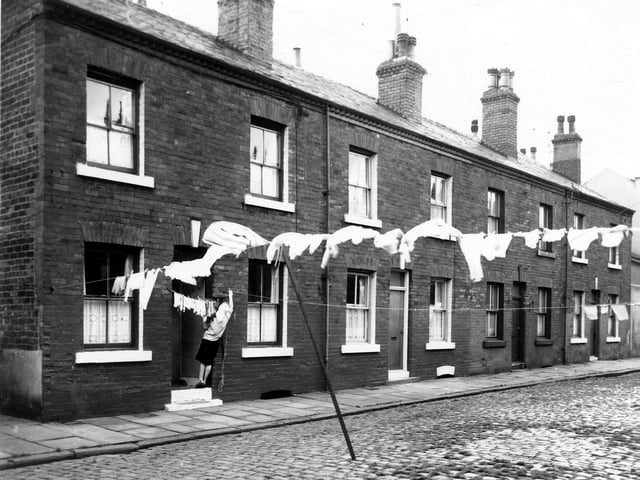
A view of double fronted, back-to-back, brick houses in Melton Street in June 1964. A woman leans back from the door of number 10 to adjust her washing line. At either end of this row outside toilets are located. Photo: West Yorkshire Archive Service
17. Hunslet in 1964
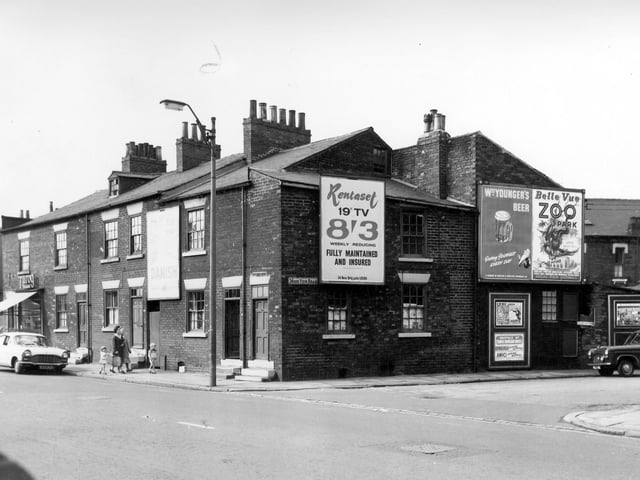
The junction of Dewsbury Road and Moor View Road in August 1964. On the far left is a Bread Shop at number 146. Also on the left are back-to-back houses with an advertising hoarding on the wall promoting Danish bacon. Two women and two children walk past a parked car towards the open door of number 140. On the right is Moor View Road displaying multiple advertisements for Rent a set 19" TV for 8'3, Wm Youngers Beer and Belle Vue Zoo Park. smaller posters promote the Elvis film Kissin' Cousins at the ABC Cinema Vicar Lane and recitals at Temple Newsam. Photo: West Yorkshire Archive Service
18. Hunslet in 1964
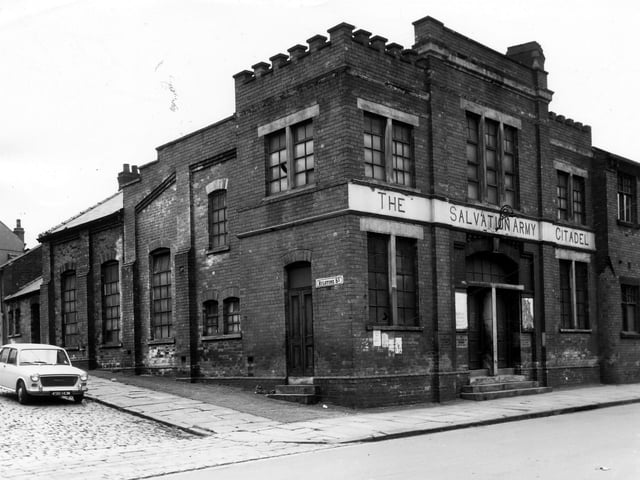
Salvaton Army Citadel on Jack Lane pictured in June 1964. Rylstone street is on the left. The Salvation Army was set up in 1865 by William Booth, he began a Christian Mission to help the poor in London's East End. He called his followers a 'Volunteer Army', but to avoid confusion with the armed forces it became the 'Salvation Army' and uniforms and ranks were adopted. Victorians easily recognised the symbolism and many joined 'to do battle with the devil'. Booth died in 1912, by then the Salvation Army had become a recognised force for good. Photo: West Yorkshire Archive Service