
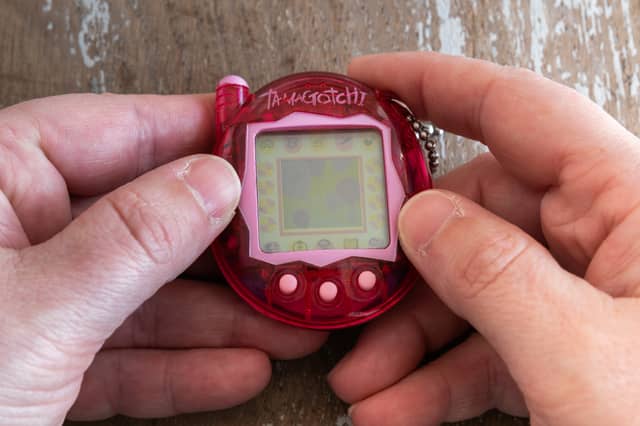


Almost every year, a new toy craze will sweep the nation’s children.
And not long after, some primary schools will inevitably ban them from the classroom and playground alike. This can be for all sorts of reasons, from causing injuries, to starting schoolyard fights, to supposedly encouraging violence, gambling, or other potentially harmful behaviours.
Even the most innocent-seeming playthings will sometimes face bans. Maybe they caused arguments, or distracted children during class. Others have been deemed choking hazards, or simply annoying to teachers.
We picked the brains of some of our reporters who went to school in the UK in the 2000s, to see what they remember being banned. Here are some of the top nostalgic toys they had to leave at home:
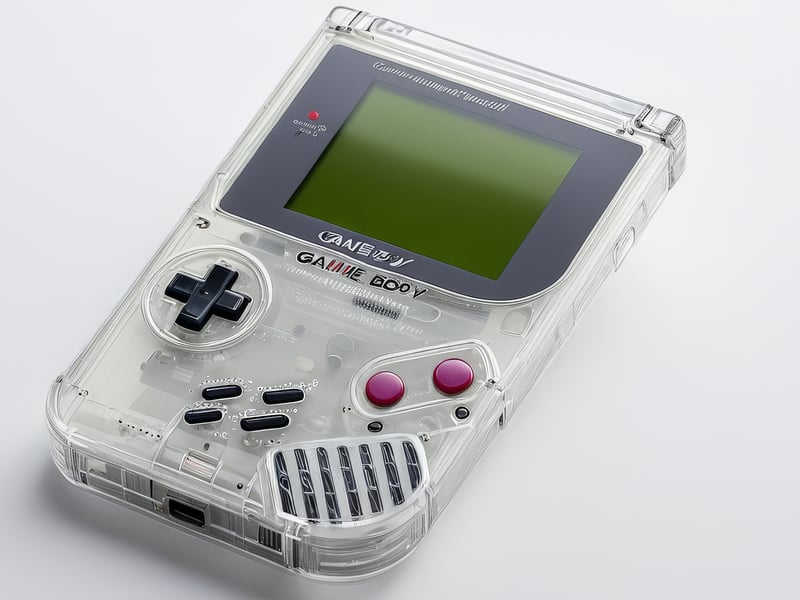
7. Game Boys
These popular handheld gaming consoles have gone through many iterations since their inception in the late 80s, from the Gameboy Colour in 1998, to the modern Nintendo Switch. Game Boys were banned in many schools for being distracting, or the risk of the (quite expensive at the time) devices or game cartridges being stolen. But the head teacher of one Worcestershire middle school that banned them in their very early days slammed them as antisocial and violent, saying children playing war or fighting games were imitating that behaviour on the playground. | Adobe Stock
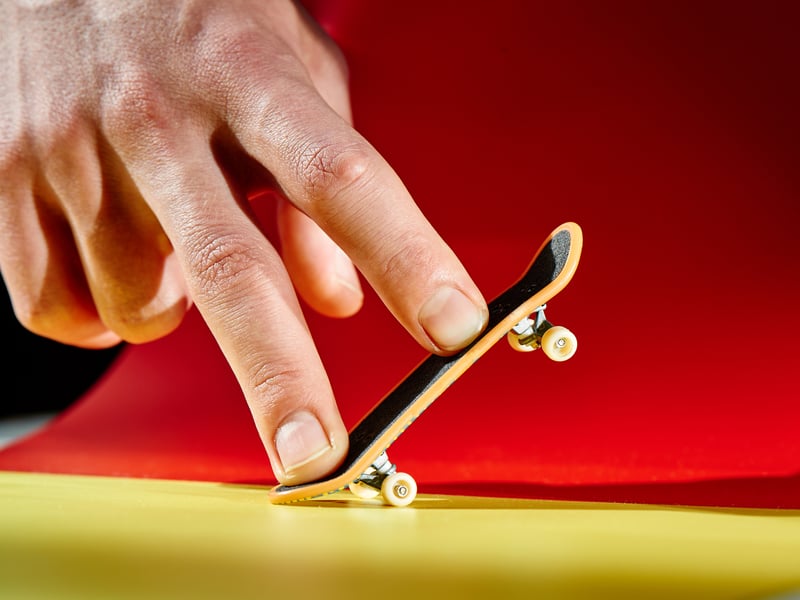
8. Tech Decks/fingerboards
These were miniature skateboards replicas which you could ‘ride’ with your fingers, even doing tricks and using nearby objects as ramps. Though relatively innocuous, they too ended up being banned in some schools. This was reportedly often due to them being a distraction when kids used them in class. After all, with a bit of imagination your whole desk can be a skatepark. | Adobe Stock
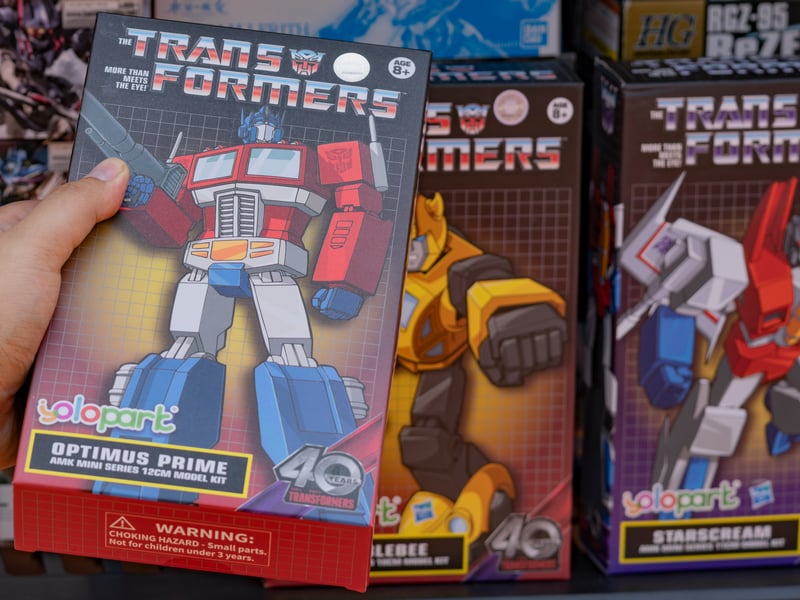
9. Transformers
These popular toys, many of which you could switch between a robot and a vehicle form (and sometimes even assemble into a whole new form by combining them with others) have been highly collectible since their release. Many of the retro ones are worth a fair sum now, but even at the time they could be on the more expensive side - with some schools banning them amid reports of them being "borrowed" and not returned, or getting broken. | Octavio - stock.adobe.com
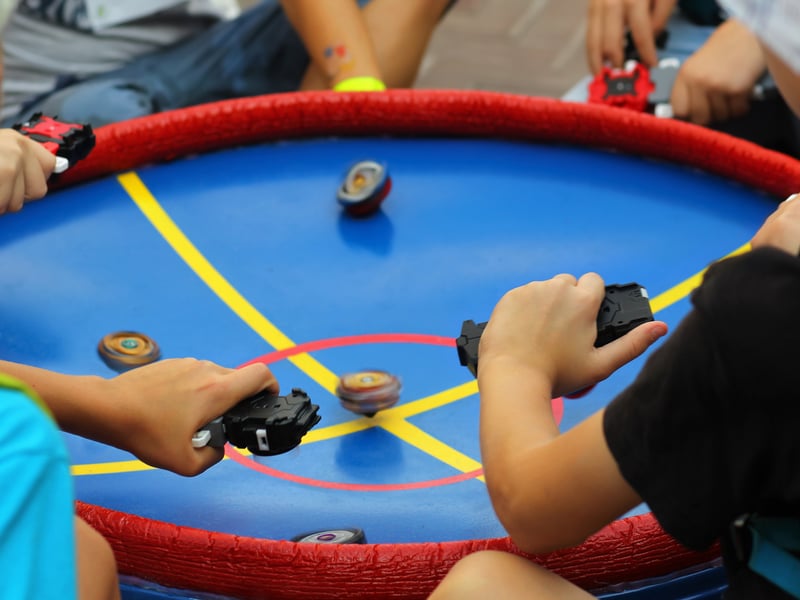
10. Beyblades
Taking spinning tops and making them combative (with a great tie-in cartoon to boot) was a stroke of genius. These tops could be launched at each other at high speeds by pulling a ripcord, bouncing off one another until one ‘lost’ and stopped spinning. But the early 2000s craze saw them banned in many UK schools. In some cases this was due to safety, with reports of a few minor injuries, and a parent being hit in the eye. Some children also modified their Beyblades to make them more competitive - which could also make them more dangerous. | Adobe Stock
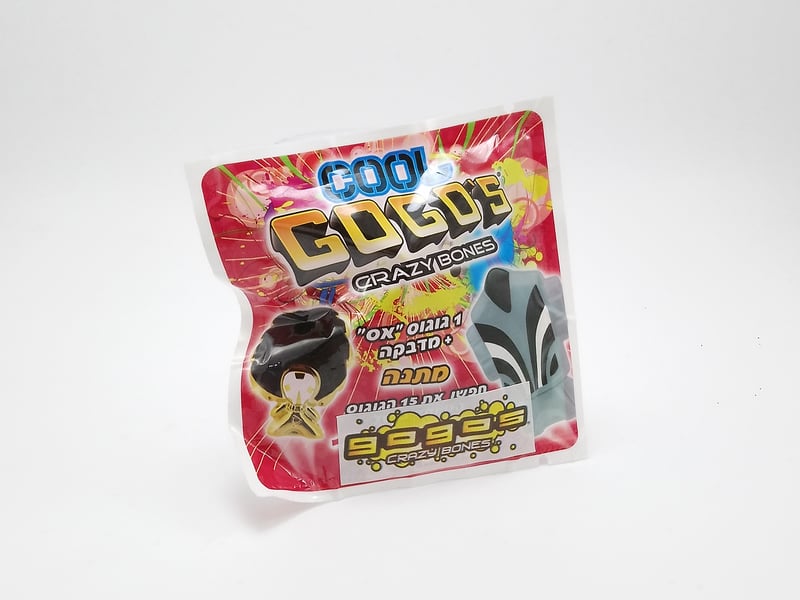
11. Crazy Bones
Crazy Bones were a modern, collectible form of knucklebones. Each of the small plastic ‘bones’ was a different character, with some being incredibly rare. When trading began to cause problems they were banned at some schools (although there are reports of children smuggling them into one West London school in hollowed-out tennis balls). There were also concerns in some corners about them being a choking hazard, due to their size and children’s tendency to stick things in their mouths. | Adobe Stock