
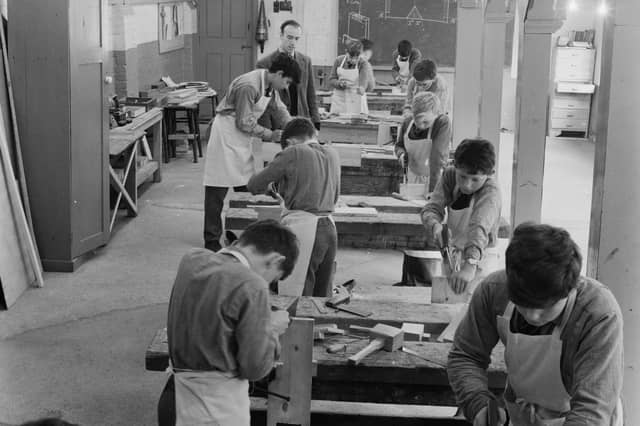


From the subjects you learn to discipline and school dinners, much has changed in the world of education since the end of the 70s.
How fondly you look back on your time at school will probably colour what you think of those changes and whether they were for better or for worse.
But there are some things very few people miss about school back then, and others which have almost all people of a certain age pining for their lost childhood.
We’ve put together a list of things you’ll almost certainly remember if you were at school during the 1960s or 70s, but probably won’t otherwise.
How many of these do you recall, and what were the best and worst things about school back then? Let us know in the comments section.
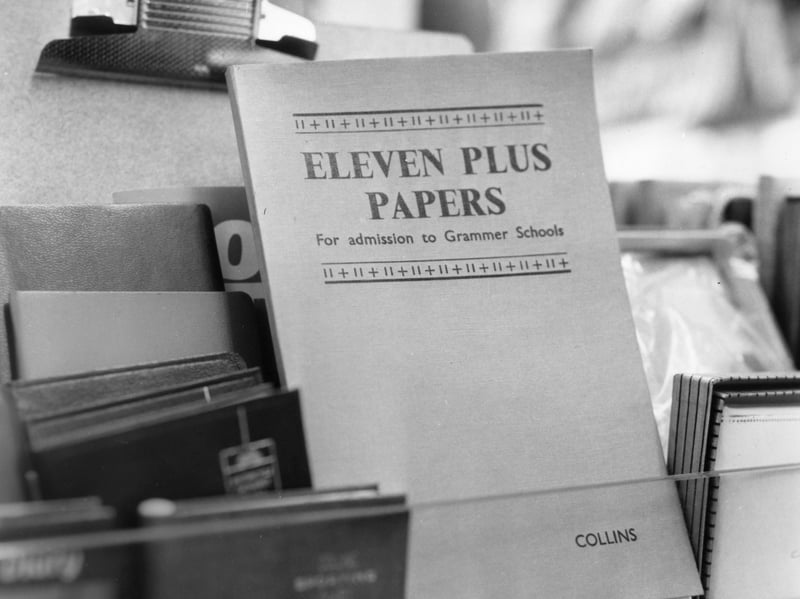
7. Sitting the 11-plus
Pupils across the UK once had to sit the 11-plus exam when they finished primary school, to determine whether they went on to a grammar school, a secondary modern school or a technical school. It is still taken by some students in England and Northern Ireland but is nowhere near as common as it once was, having been largely phased out by the mid-1970s. The exam was introduced in 1944 and was supposed to assess pupils' general intelligence, much like an IQ test, but many pupils were and in some cases still are heavily coached both at home and school to improve their chances. | Getty Images Photo: Evening Standard

8. Walking to school on your own
Plenty of children do still walk, or cycle, to school by themselves, but it's much less common than it was in the 1960s and 70s. Youngsters could get up to all sorts of adventures on their way to and from school back then, without any parents to cramp their style. | Getty Images Photo: Ian Tyas/Keystone Features/Hulton Archive

9. Big classes
It was not uncommon to have 35 or 40 pupils in your class back in the 60s and 70s, unlike today when class sizes are limited to 30. Spare a thought for the poor teachers, who had to try to keep pupils in order without the help of a classroom assistant. | Getty Images Photo: Chris Ware/Keystone Features/Hulton Archive