

Yet in some cases, these everyday products, from kitchen staples to office essentials, have been around a surprisingly short time.
Some have added flavour to our lives, others have speeded up daily tasks or made our roads safer.
In some cases, the technology took many years to develop, while other inventions were the result of a happy accident.
Below are nine everyday items we all take for granted today, but which didn’t exist before the 1950s.
What do you think was the greatest invention of the 50s or 60s, and why? And do you remember the days before any of these items existed?
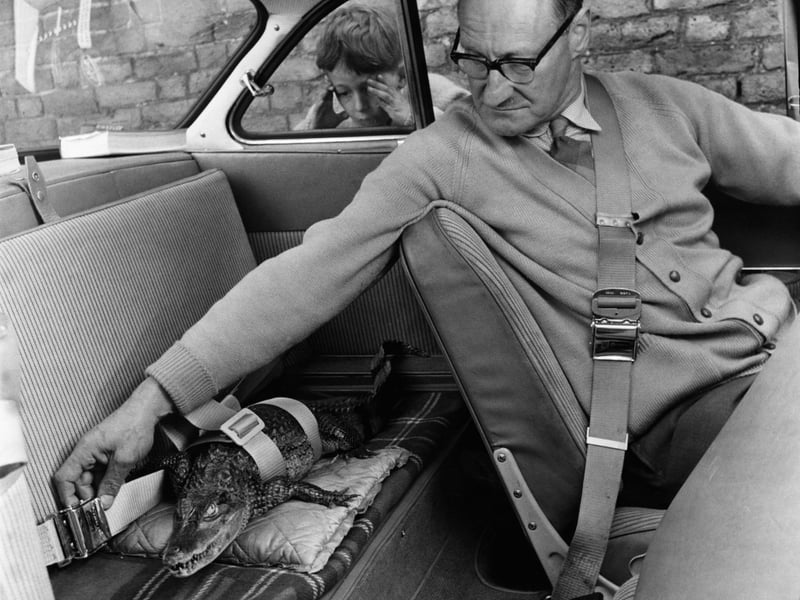
1. Seat belts
The first seat belt was patented in 1885, but the three-point seat belt we all use today is a much more recent invention. It was the brainchild of Volvo engineer Nils Bohlin, who developed the life-saving device in 1959. In one of the greatest acts of commercial altruism, the manufacturer left the patent open in the interest of public safety, allowing all other car makers to use it for free. Although seat belts have been mandatory in new cars since 1965, it was not until 1983 that drivers and front seat passengers were legally required to use them in the UK. This driver is pictured wearing one of the old two-point seat belts in the early 60s, though his pet alligator is securely fastened in the back seat. | Getty Images Photo: Keystone Features
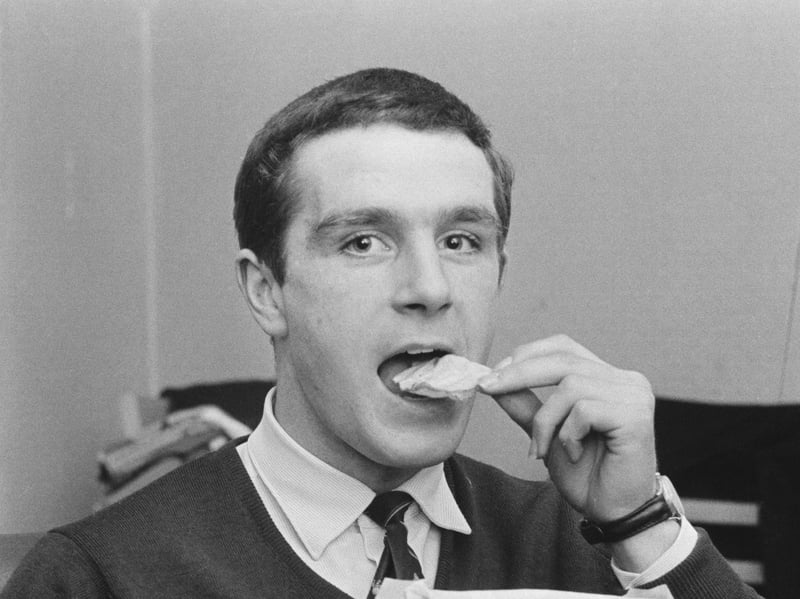
2. Flavoured crisps
Crisps have been around since the early 1800s but until the 50s they were either plain or came with a small packet of salt for you to add yourself. That changed in 1954, when Joe ‘Spud’, if Tayto fame, found a way to add cheese and onion flavouring during production, opening the floodgates for all manner of new flavours. | Getty Images Photo: Bryan Wharton/Daily Express/Hulton Archive
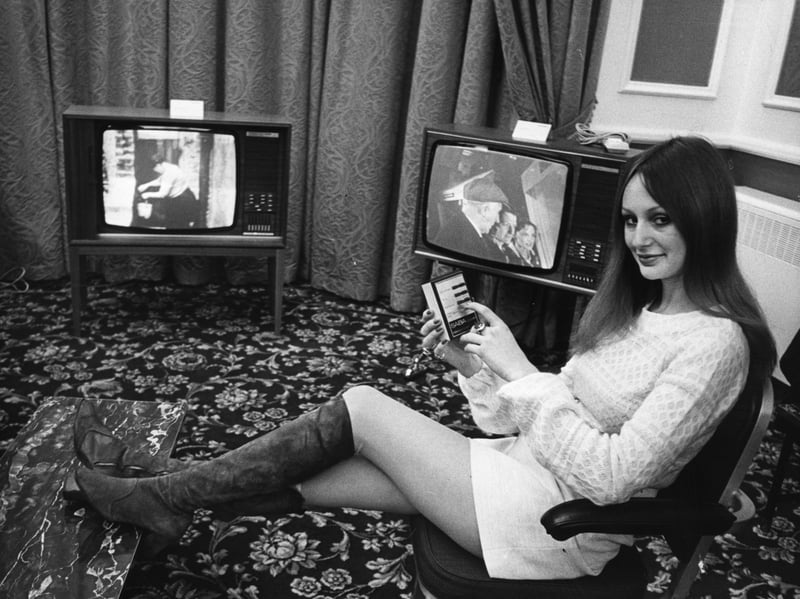
3. Remote controls
Remote control technology has been around since the late 1800s, but it was only harnessed to make TV viewers' lives easier in 1950. Even then, the device, fittingly called the Lazy Bones, was connected to the TV by a wire, with the first wireless remote developed in 1955. Today, it's a time-saving device we all take for granted. | Getty Images Photo: Wesley/Keystone
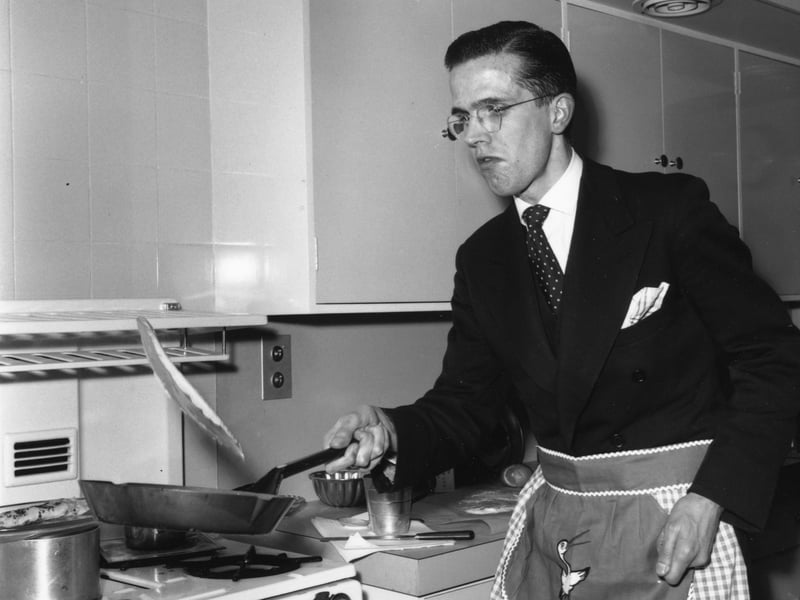
4. Non-stick pans
We have Marc Grégoire to thank for the non-stick pan, which has saved countless hours of washing-up over the years. One story is that he developed a way of applying a Teflon coating to an aluminium mould to assist in the manufacturing of fishing rods, and when his wife learned of this she challenged him to make a non-stick pan, which he did. The technology was patented in 1954, and in 1956 Grégoire and his wife, Colette, launched the Tefal (a portmanteau of the words teflon and aluminium) Corporation. | Getty Images Photo: Rosemary Matthews/BIPs
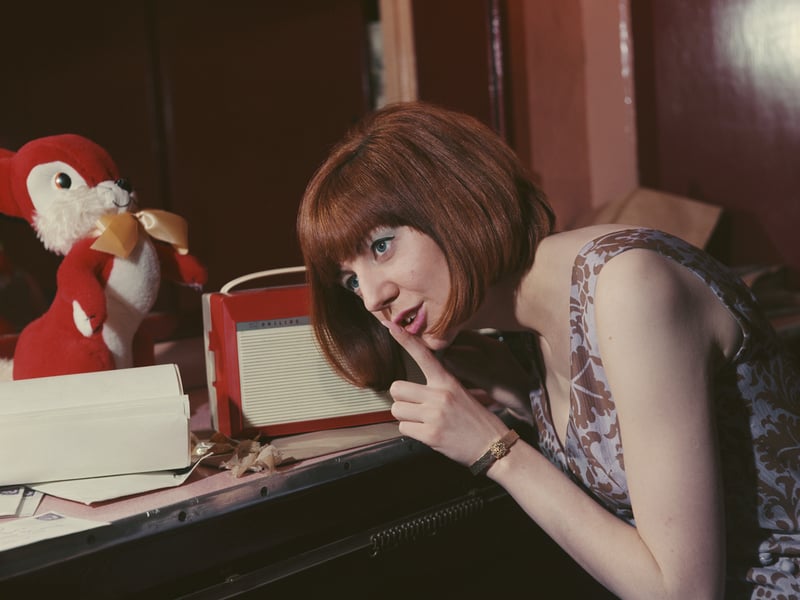
5. Transistor radios
Before the 50s, radios were large, clunky devices, generally designed to be plugged in, with the only portable versions being too bulky and fragile for practical purposes. That all changed with the invention of the transistor, which replaced the much-larger vacuum tube, in 1947. The first practical transistor radio hit the market a few years later in 1954, freeing us up to listen to music and catch up with the news on the move. Cilla Black is pictured here listening to her transistor radio in 1963. | Getty Images Photo: Stanley Bielecki/ASP
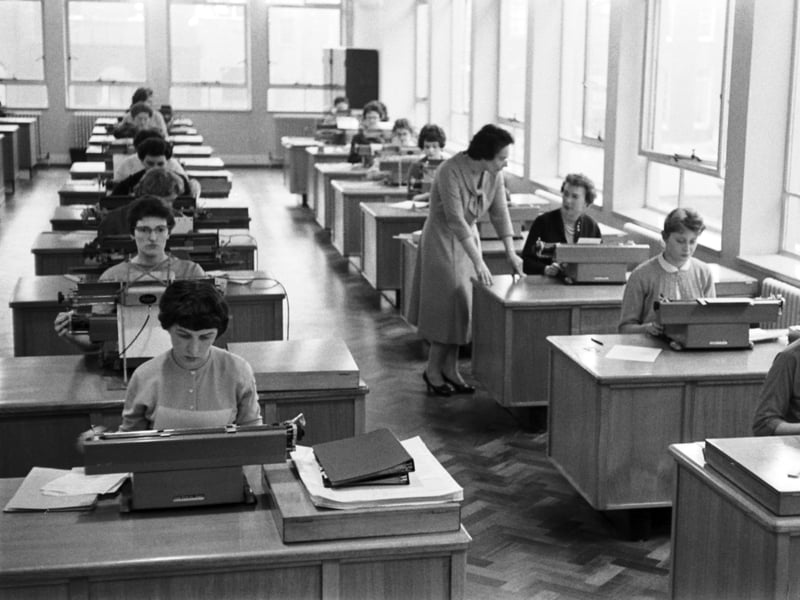
6. Correction fluid
Millions of people used to work in typing pools, and when you made a mistake, that often meant starting all over again. That was until Bette Graham, herself a frustrated typist, developed the first correction fluid at home in her kitchen in 1956. She called it 'Mistake Out' and started supplying her colleagues with small branded bottles before quitting her day job to focus full-time on the business. | Getty Images Photo: Bert Hardy Advertising Archive