These are the 22 Grade I-listed buildings in Leeds
By The Newsroom
Published 3rd Jan 2019, 10:52 GMT
Updated 9th Jan 2019, 08:23 GMT
Historic Leeds has buildings awarded the highest level of heritage protection.
They include country houses, churches and grand civic buildings.
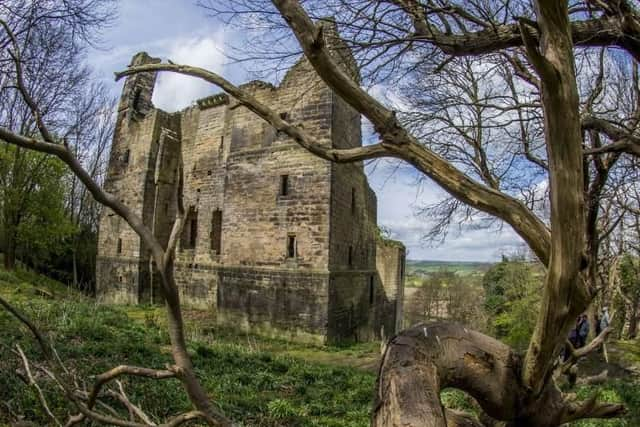
Harewood Castle
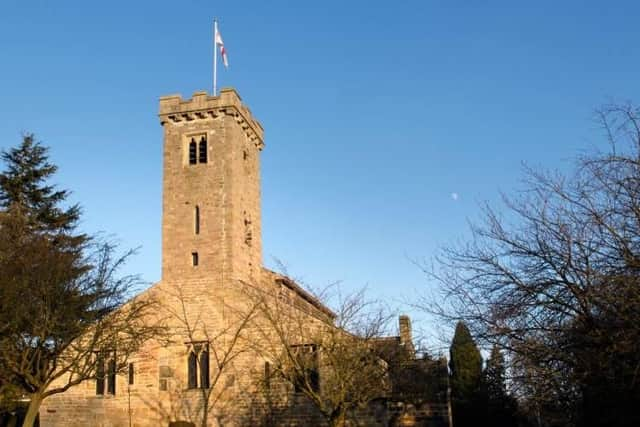
The second-oldest church in Yorkshire also has England's oldest Anglo-Saxon church tower. Building began around 850 AD.
The 18th-century house itself - the seat of the Lane-Fox family - is listed along with several buildings along the estate, including temples, the stables, ponds and a chapel. It's still occupied by the family.
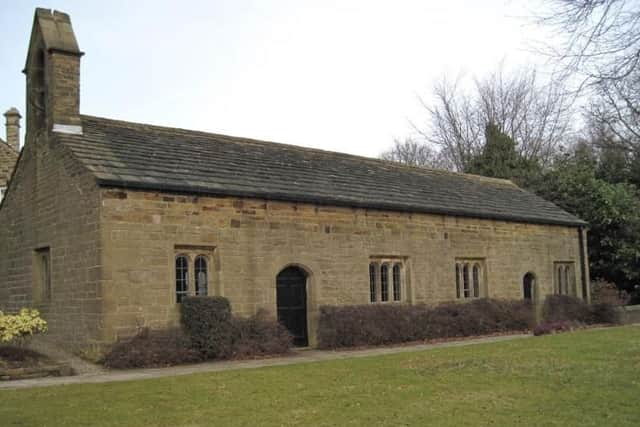
Built in 1649 and still open to the public. It's one of the few religious buildings in England that date from this tumultuous period - it was built in the year of King Charles I's execution.
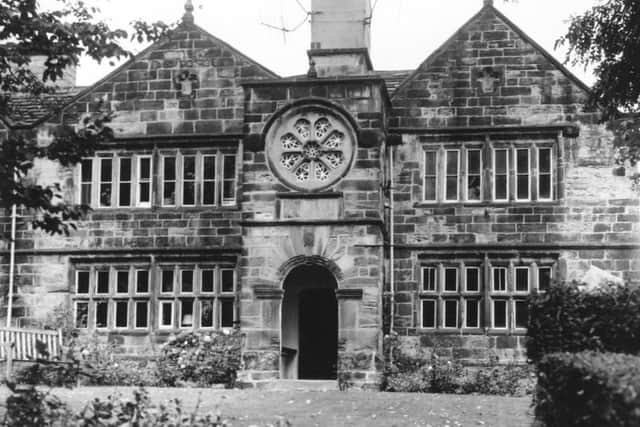
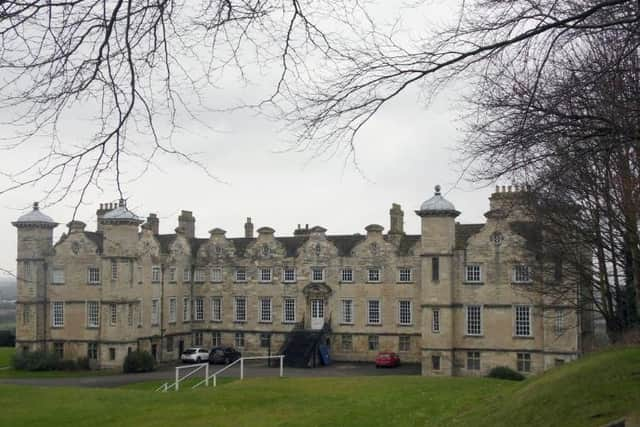
It was built in 1639 as one of a group of mansions known as the Halifax Houses. Oliver Cromwell is said to have stayed at the Hall before losing the Battle of Adwalton Moor in 1643. Still a private house.
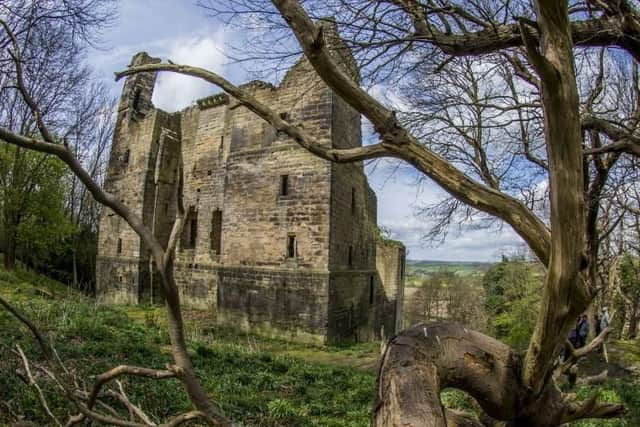
The castle was built in 1366 on what is now the Harewood estate. The fortress surrounds a courtyard and was last occupied in the 1630s. It was later sold to the Lascelles family, the current earls of Harewood.
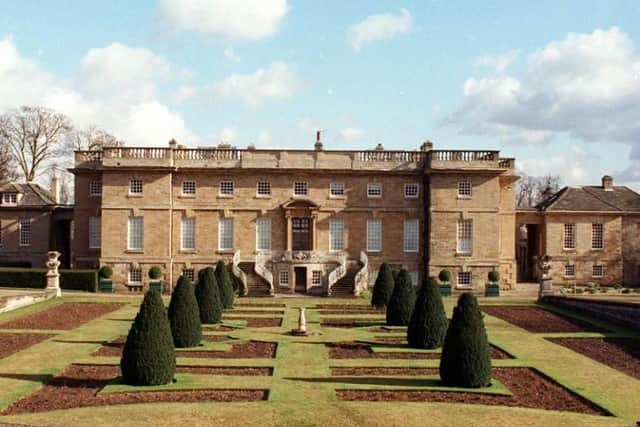
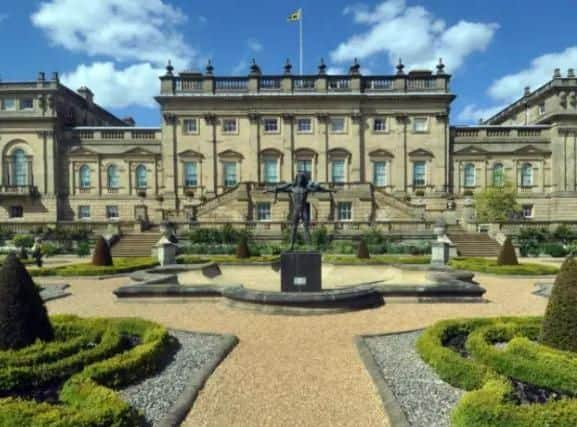
One of the finest stately homes in England, Harewood is the ancestral seat of the Lascelles family, earls of Harewood, who have strong connections through marriage to the royal family. The estate church, All Saints, and stable block also have Grade I listings.
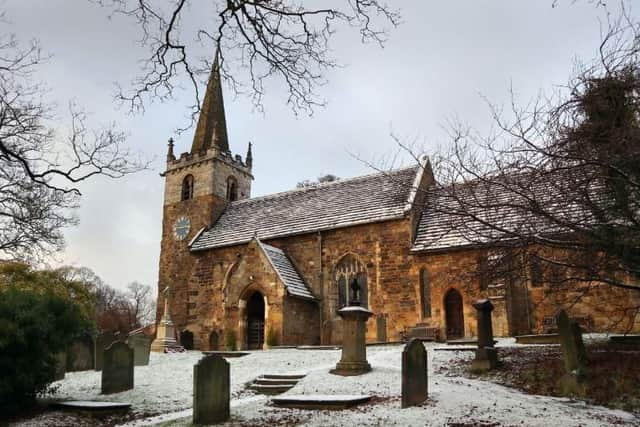
Yorkshire's oldest church dates from the Saxon period and has Norman additions. It was restored in the 19th century.
Ledston Hall was the home of Lady Elizabeth Hastings, daughter of the 7th Earl of Huntingdon. The hall was originally a grange and chapel built by the monks of Pontefract Priory. Several outbuildings and garden features are also listed.
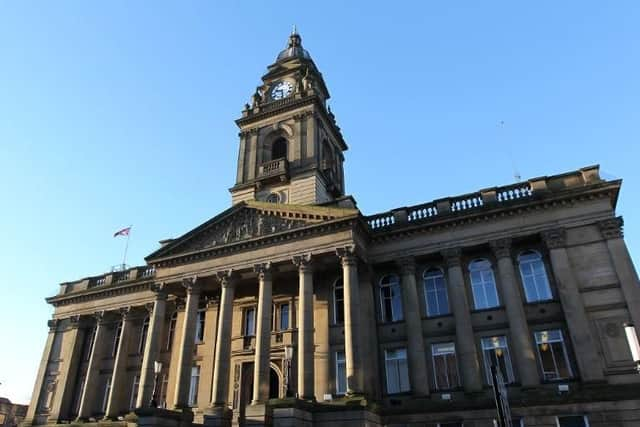
It was built in 1885 when the council ran a competition to design a town hall. It still has courtrooms and holding cells and has been used as a location for TV dramas such as Heartbeat and Emmerdale.
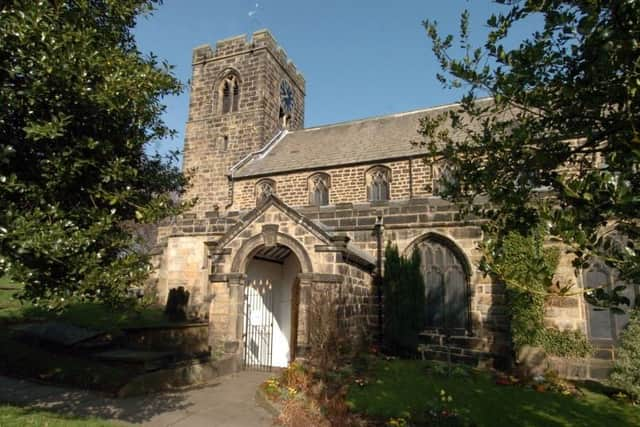
Otley's parish church is of Norman origin with alterations from the 14th to the 18th centuries. There is an altar tomb on which there is the recumbent effigy of Lord Fairfax, an army commander under Queen Elizabeth I.