
Time to have your say in most impactful local elections in a generation - and how it will shape Leeds
In the run up to the Local Election Julian Pearce, founder of PR and stakeholder engagement business Yasper, writes for the YEP to look at how your vote can shape the political landscape in Leeds.
Voters in each of the 33 electoral wards that make up Leeds City Council will be heading to the polls on May 7, faced with a choice of who will represent them for the next four years.
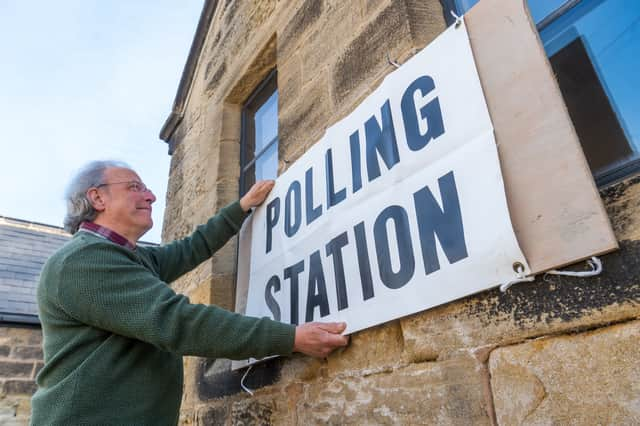

Unlike neighbouring districts of Bradford, Wakefield, Kirklees and Calderdale, just one councillor from each ward will be up for election in Leeds. With just 33 per cent of seats up for grabs, you might think that any change could be limited.
But set against a backdrop of a febrile political atmosphere at a national level, the status quo in the city could be about to change.
Labour has held a majority on Leeds City Council since 2011. But the local authority has historically changed hands more often than many of its Yorkshire counterparts.
For the first decade of the new millennium, no party held a majority, but by working together, a coalition was formed between the Conservatives and Liberal Democrats. Looking back further, the council has been under Conservative and Labour majorities stretching back as far as the end of the Second World War.
So who are the runners and riders – the likely winners and losers – in 2026? National opinion polling suggests that Reform are likely to do well across the country. With party leader Nigel Farage himself visiting the city in late March, they will be hoping to do well.
However, thanks to the quirk that only a third of councillors are up for election, Reform will not be able to form a majority, even if they were to take every seat available (which in itself is highly unlikely).
Another oddity of 2026 is that, because Labour is the largest party on the council, they have the most to lose. In fact, more than half of those up for election are currently Labour-held seats. It is often the case in local elections that those with the most skin in the game have the most to lose.
So what does this mean for Leeds? There is a real possibility that no party will have enough seats to form a majority. Labour currently has the most councillors (56) but if this number slips below 50, the council will find itself under ‘no overall control’.
In such an eventuality, parties and representatives would have a frantic time looking to form allegiances and coalitions, to ensure that they can get votes through and follow-up on their election promises.
If Labour do cede power, the most likely outcome is that the party would still have enough seats to form a minority ruling party. It might represent chances for other parties – for example the Greens or the Liberal Democrats – to push through their own priorities, by ‘lending’ Labour their votes on key issues.
While change might be limited in Leeds, all bets are off in the other four districts that make up West Yorkshire.
With all seats up for grabs, we could see the most influential local elections in our region for a generation. This will not only have a profound effect on the priorities of these councils, but it will also impact how cross-district collaboration itself works in the future.