
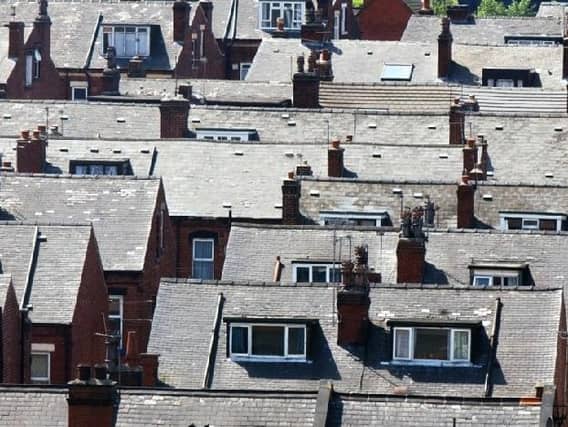

Under-occupation is defined as the property having more bedrooms than the occupants require - for example, a couple with one child having a three-bedroom house would have one 'spare' bedroom and the house would be 'under-occupied'. As a result, Leeds Council cut housing benefit in 4,449 cases. The data, published via Data Mill North, states "These have all had a reduction in their housing benefit. In some cases the reduction has been paid for by a Discretionary Housing Benefit Payment (DHP)." These are the nine areas in the data, ordered from the highest number of under-occupied houses to the lowest, as of March 2020. Photos for illustrative purposes and do not represent specific properties.
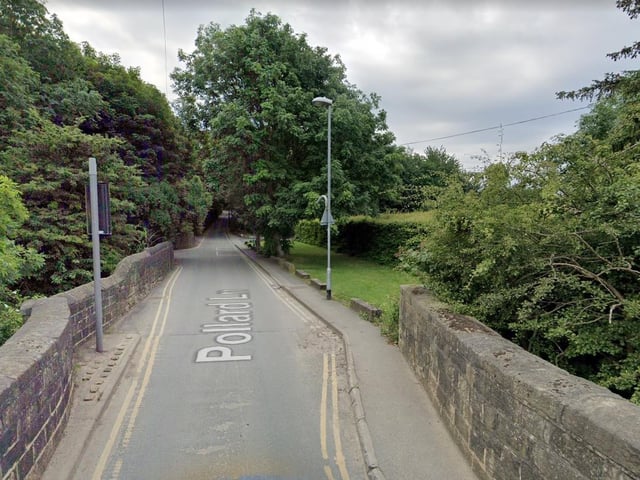
1. Bramley - 1,200
There were 1,200 houses deemed as under-occupied in Bramley & Stanningley ward | other
2. Stanningley - 1,200
There were 1,200 houses defined as under-occupied in Bramley & Stanningley (counted as one ward by the council) | other
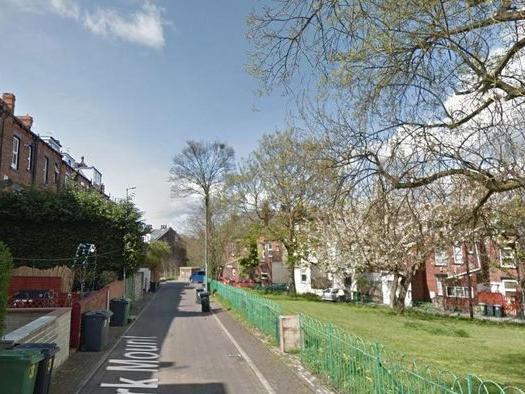
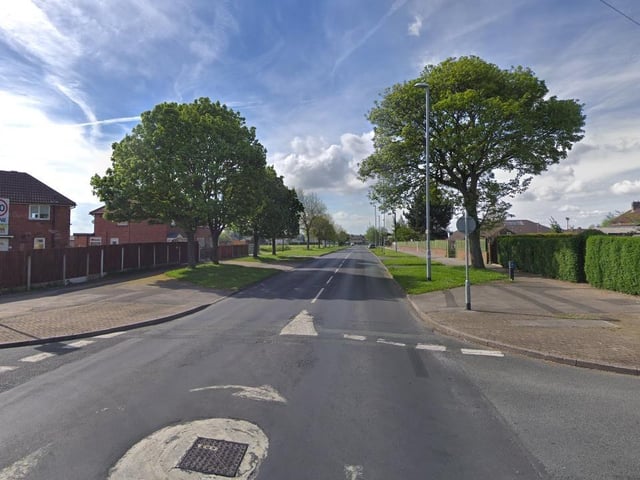
4. Middleton Park - 345
There were 345 council houses defined as under-occupied in Middleton Park according to the council | other
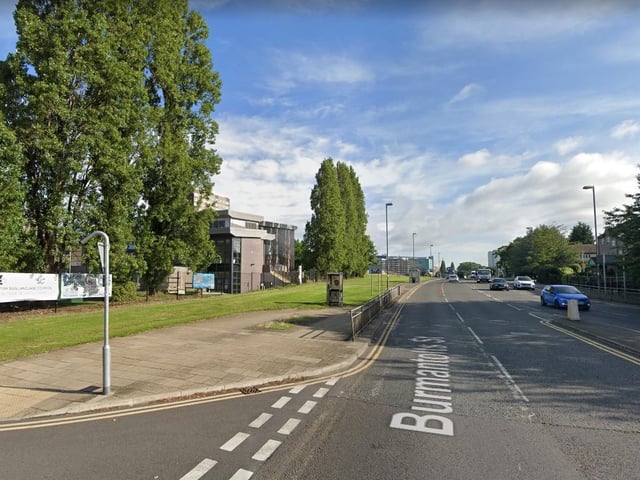
5. Burmantofts - 313
There were 313 houses defined as under-occupied in Burmantofts & Richmond Hill | other
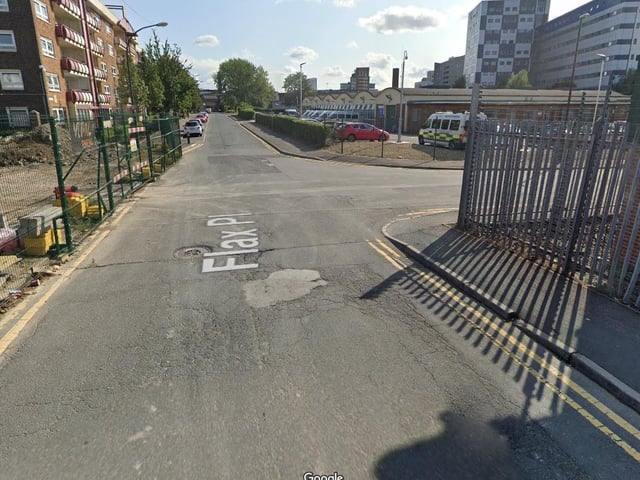
6. Richmond Hill - 313
There were 313 houses defined as under-occupied in Burmantofts & Richmond Hill (counted as one ward by the council)