
'Absolutely horrific': Yorkshire cat rescue hits back at online abuse after 'cat killer' accusations

The charity faced online abuse after posting about a cat with severe behavioural issues
The CEO of a Yorkshire-based cat rescue has spoken out after the charity received a wave of online abuse over its decision to put a cat with serious behavioural problems to sleep.
Lynn Nicholls said staff at Yorkshire Cat Rescue in Keighley had been called “cat killers” and accused of “putting down a healthy cat” after the team made the difficult decision about Tommy, a stray in their care.
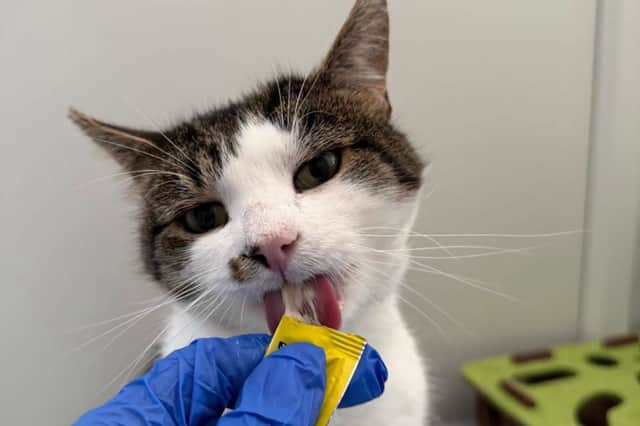

She said the decision followed months of work with a behaviourist and a vet, but the online response had been “absolutely horrific for my staff”.
“I haven’t got an issue with people not necessarily agreeing with us,” she told the Yorkshire Evening Post. “But what I’ve got an issue with is the online bullying that’s taken place.”
Tommy was brought to the rescue as a stray after being fed by people in the area.
Nicholls said he initially appeared to be a cat who needed his own space but could live in a home.
He was adopted, but his new owner later contacted the charity in distress after he attacked her without warning. The rescue collected him and began assessing his behaviour.
Nicholls and her team looked for possible triggers and worked with a behaviourist and vets over several months.
They spent hours with Tommy and tried medication on veterinary advice. However, while there was some improvement, his progress eventually stalled and his behaviour worsened.
The rescue considered whether he could live in a setting such as a farm or stables, but Nicholls said this was not a safe option because Tommy sought contact with people but could suddenly attack them.
“We couldn’t home him safely,” she said.
After further discussions with the behaviourist and vets, the team agreed the kindest thing for him was to put him to sleep.
Nicholls described it as a painful decision for the team, which had cared for Tommy and tried to find a way forward for several months.
She said that, in her experience, it was the first time the rescue had put a cat to sleep because of behavioural problems.
“Everybody was very upset,” she said. “We’ve never had to do this before.”
The charity posted about Tommy’s death, which Nicholls said was intended to be transparent about his life and the rescue’s decision.
She said she welcomed genuine questions from people who wanted more information but objected to accusations made without knowing the full circumstances.
“If you’ve got questions, we’re more than happy to speak to people about that,” she explained. “People need to think about what they’re posting online and the impact that has on the people on the other end of those posts.”
Nicholls said the abuse added to the distress of staff who were already upset about Tommy.

Since the post, she has had one-to-one calls with several team members to check they were coping. She said some had seen the post shared alongside comments urging people not to support the rescue.
Nicholls said rising costs were making it harder for people to care for and treat their cats. She described the current period as the worst year the rescue had experienced, with nearly 100 cats arriving each month.
“We would love to help every single cat, but we can only help so many at any one time,” she said.
Despite the abuse, the charity has received supportive calls, emails and comments from followers and other rescues.
“The outpouring of love, and from other rescues, has been absolutely fantastic,” she said.
She said kind messages helped staff feel their work was recognised.
“Donations are important, but don’t underestimate the difference that you make as a person by following us, sharing our posts, and just the beautiful comments that people put on to support everybody,” she said.
She urged anyone who disagrees with a rescue’s decision to seek more information while remembering the people caring for the animals.
“If you’ve got nothing nice to say, move on. Follow somebody else,” she said.