
‘I’m continuing my mum’s legacy’: Leeds woman backs first-of-its-kind cancer genetic screening trial
Her mum’s knowledge has helped her to take preventative action
A Leeds woman whose mother died from cancer is backing a new screening trial she hopes will help save other families from the same heartbreak.
Rochelle Gold discovered she carried an inherited genetic change which increases her risk of developing cancer after her mum, Phyl Harris, was diagnosed with breast cancer.
Genetic testing revealed Phyl carried the BRCA1 and BRCA2 genetic variants, which are associated with a higher risk of certain cancers. Further testing showed Rochelle also carried the BRCA2 variant.
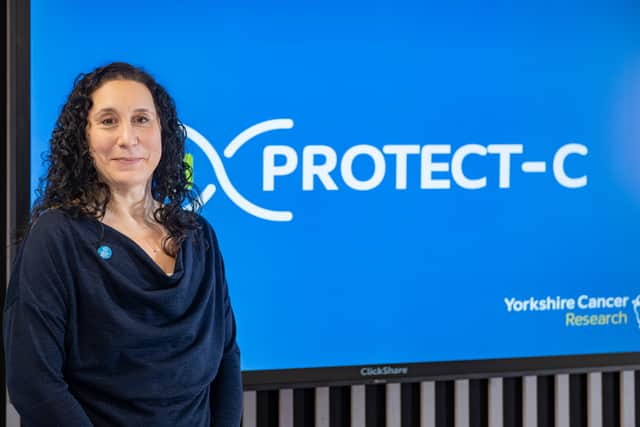

The discovery gave Rochelle the opportunity to take preventative action, including surgery to remove her breasts and womb.
But it came too late for her mum, who died in 2015, just two years after her initial diagnosis.
Now Rochelle is supporting PROTECT-C, a £3.9m genetic cancer screening trial funded by Yorkshire Cancer Research, which aims to identify thousands of people at increased risk of cancer because of inherited genetic changes.
She hopes the research will mean more people can access potentially life-saving information about their cancer risk before it is too late.
Rochelle said: "I see myself as incredibly lucky to have had the chance to learn about my genetic predisposition to cancer; an opportunity that may have saved my life and one I owe entirely to my mum.
"It's heartbreaking the results came too late for her to also benefit. That's why the PROTECT-C trial is so desperately needed, so we can give more people vital insight into their cancer risk, at a time when they can still do something about it."
Phyl had been a dedicated volunteer with Yorkshire Cancer Research for more than 20 years, helping organise fundraising events and support pioneering research across the region.
Rochelle remembers meetings of the charity's local volunteer group taking place at her childhood home in north Leeds.
She said: "Whether it was organising and planning events, or making sandwiches that kept everyone fed and happy, my mum was always willing to get stuck in, have fun and raise funds for vital research."
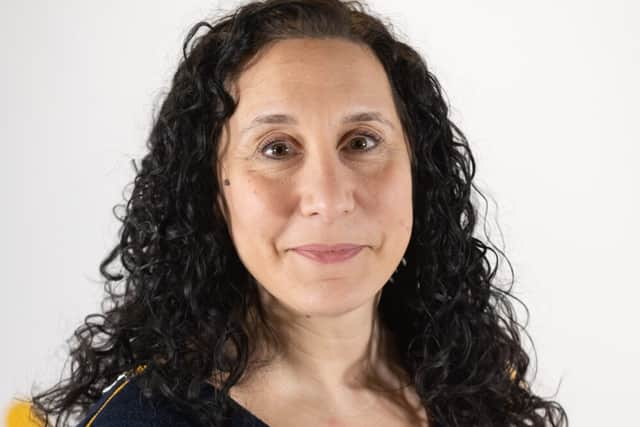
Her mum had become involved with the charity following the experiences of her own parents. Rochelle's grandfather died from pancreatic cancer, while her grandmother was diagnosed with breast cancer and died two years after her husband.
There was also a wider family history of breast and ovarian cancers, which left Phyl concerned about her own risk.
Rochelle said her mum had previously approached her GP because of her family history but was told it was unlikely to be genetic and she was not eligible for testing.
In 2013, Phyl was diagnosed with breast cancer. It was detected early and she received treatment, being given the all-clear a year later.
However, genetic testing following her diagnosis revealed she carried both the BRCA1 and BRCA2 variants.
Rochelle was subsequently tested and discovered she carried the BRCA2 genetic change.
In September 2015, Phyl was told her cancer had returned and spread to other parts of her body. She died just two weeks after the diagnosis.
Rochelle said: "It all happened very quickly. The cancer caused my mum a great deal of pain and I know she wouldn't have wanted to endure that for long.
"But as a family, you're never ready and can't truly get over a loss like that."
She initially struggled with whether to tell her mum about her own genetic test results, not wanting to cause her further distress.
But when Phyl asked directly, Rochelle felt she had to be honest.
She said: "As a mother does, she instantly blamed herself. But I told her – you have given me knowledge and that knowledge is power."
That knowledge allowed Rochelle to make decisions about her own future health, including undergoing preventative surgery to reduce her risk of developing cancer.
She now wants other families to have the same opportunity to understand their inherited cancer risks.
One in every 20 cancers in women is caused by genetic changes passed down through families. In Yorkshire, up to 881 breast, bowel, womb and ovarian cancers are linked to inherited genetic changes.
An estimated 19,400 women in Yorkshire have these gene alterations, but it is believed 97% have not been identified.
The PROTECT-C trial, led by Professor Ranjit Manchanda at Queen Mary University of London, will investigate the risks, benefits and feasibility of wider genetic screening.
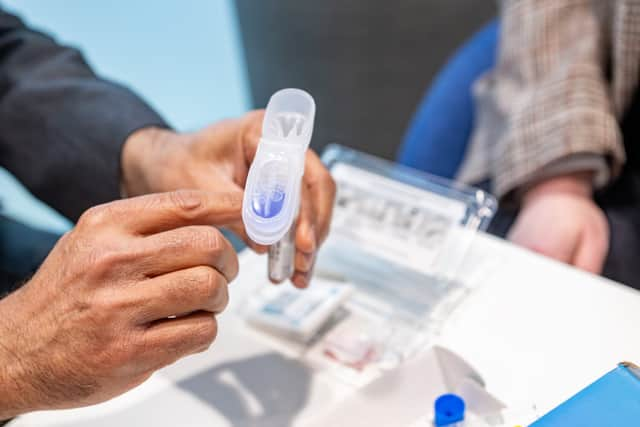
It aims to involve 5,000 people from Yorkshire and across the UK, regardless of their background, using simple at-home saliva tests.
Those identified as being at increased risk will have the option of accessing regular NHS screening, as well as medicines or surgery to help reduce their chances of developing cancer.
Rochelle said: "Finding out if you have an inherited genetic change should not depend on whether you have a relative who has been tested.
"Having that knowledge about your potential risk of cancer means you can actively do something about your health.
"If a genetic screening trial like PROTECT-C had existed 20 years ago, my mum might still be here."
She added that advances in genetic testing and cancer treatment over the past decade had been significant.
Rochelle, who works in the NHS, said: "Before, you had to go and see your doctor for a blood test to check for faulty genes. Now, PROTECT-C will provide people with simple, at-home saliva tests.
"These new innovations are only made possible by research and clinical trials, including those funded by Yorkshire Cancer Research."
Rochelle has two children and says she wants future generations of her family to have access to the knowledge that was not available to her grandparents and mother.
She said: "Unlike previous generations in our family, my kids know about the BRCA genetic changes and they have the opportunity to be tested.
"They won't have to experience what I did with my mum. Something as simple as a saliva test could not only help save your life, but the lives of future generations."
Alongside her NHS work, Rochelle founded an organisation supporting people at increased genetic risk of cancer, from considering testing through to recovering after preventative treatment.
She is also a member of Yorkshire Cancer Research's Research Advisory Panel, helping assess funding applications and choose projects with the potential to make the greatest difference to people in the region.
She said continuing her mum's work was an important part of her motivation.
"Creating a legacy is all about benefitting others in the future. It's not about you – it's about leaving the world better than you found it.
"Being an ambassador for the PROTECT-C genetic cancer screening trial is about continuing my mum's legacy and helping to save future lives."
More information about the PROTECT-C trial is available at www.yorkshirecancerresearch.org.uk/protect-c.