
'A waste of time' or 'tremendously exciting'? Leeds residents debate over potential 2040 Olympics bid

Speculation is mounting over whether the UK will launch a formal bid to host the Summer Olympics in 2040. If a multi-city approach is taken, should Leeds throw its hat in the ring?
As talk of a potential UK-wide Olympic bid for 2040 gathers pace, we asked you: should Leeds host some of the events, or would the disruption and cost be too much to bear?
The prospect has ignited a fierce debate among residents. While some see a "once-in-a-generation" chance to showcase the city's sporting pedigree, many others remain deeply cynical, pointing to the city’s existing debt, ongoing road repair issues, and the fear of a costly, temporary spectacle leaving nothing but empty buildings behind.
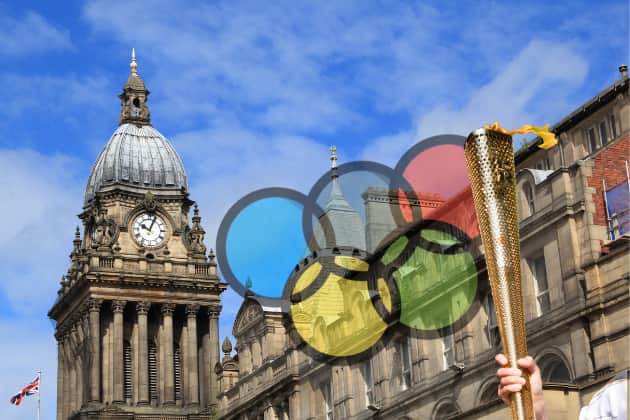
We posed the question to readers on the Yorkshire Evening Post Facebook page if they would like to see Leeds throw their hat in the (Olympic) ring(s) to host some of the events should a multi-city bid be something on the cards.
From the responses, it’s been quite the polarising discussion amongst many of you.
To host or not to host the 2040 Olympics - Yorkshire Evening Post readers give their thoughts
For: A boost for the North

Supporters of a potential bid focused on the city’s ability to deliver, with the success of the triathlon events in Leeds cited as proof. "The Brownlee brothers and Ironman have proven Leeds is great for Triathlon," Emma Settle noted, while Andy Brown agreed: "Yes, triathlon and road cycling. Aquatics centre."
Some felt that Leeds is overdue for the kind of investment usually reserved for the capital.
Proctor Richard said, "It would be awesome to have the games up north so tourists see this part of the country."
Others saw the potential for a lasting legacy, with Proctor also arguing: "Money is always found for things like this, and it would mean we are left with amazing facilities after the games."
Against: Financial and logistical scepticism
The majority of our readers were sceptical, with many citing the city’s current financial standing.
One reader voiced the sentiment felt by many regarding the council's track record: "Knowing Leeds City Council, they'd make a real b***s of it."
The concern over long-term debt was also front and centre. Graham Foster provided a stark warning based on history: "You will probably be paying for it on your council tax bill for many years to come.
“I visited Montreal in Canada in 2003, and the residents there were still paying towards the cost of hosting the games from back in 1976."
Others pointed to the infrastructure gap as a dealbreaker.
Andy Hair quipped: "Great, they’ll be able to travel between the venues/stadiums on the tram! Oh, hang on, no, they won’t, scratch that." Meanwhile, others pointed to the state of the roads, with Debbie McGoldrick adding, "God help them with the state of the roads."
On the fence: It’s complicated
For many, the dream is tempered by a dose of harsh reality. The excitement is there, but the cynicism about delivery runs just as deep.
Jane Mansfield captured this internal conflict: "It would be tremendously exciting, but too expensive?" Others are willing to be persuaded, provided the plans are rock-solid and benefit the local population first.
Phillip Sheaf added: "So long as the citizens were given some visible benefits and if good traffic arrangements were made." There’s also the question of whether the city needs the Games to thrive or if it should focus on its own identity, with Paschen Tafari Kennedy offering a conditional "yes" that highlights the city's unique spirit: "Only if Leeds United win the Premier League trophy."
The debate highlights a fundamental trepidation in Leeds: we are a city that takes great pride in its sporting achievements and its ability to host successful events, yet we are also a city grappling with the daily realities of public debt and infrastructure maintenance.
While the "Yes" camp dreams of legacy and global visibility, the "No" camp is anchored in the belief that the city must focus on fixing the basics—like potholes and transport—before it looks to the world stage.
Perhaps Malcolm Banks summed up the general mood best with a touch of weary realism: "I'm 72 by then, I probably won't care."