
‘We deserve the shortest route home’: Leeds student leader calls for action as violent offences rise

Rising violence and harassment against women in Leeds’ student areas sparks renewed calls for safer streets
Students in Leeds are taking longer routes home from campus in the dark because they feel unsafe in the winter, a student leader has warned.
It comes as new figures reveal a rise in violent offences involving female victims in one of the city's biggest student areas.
The figures, obtained by the Yorkshire Evening Post through a Freedom of Information request, also show recorded stalking and harassment offences more than doubled, rising from 13 in 2024 to 29 in 2025.
There were 12 recorded sexual offences involving female victims in the Headingley and Hyde Park ward in 2025, compared with 11 in 2024.
The figures cover offences recorded in public and open spaces, including streets and parks in the ward.
Lucy Hart, union affairs and community student executive at Leeds University Union, said female students regularly raise concerns about feeling unsafe, particularly when walking home at night.
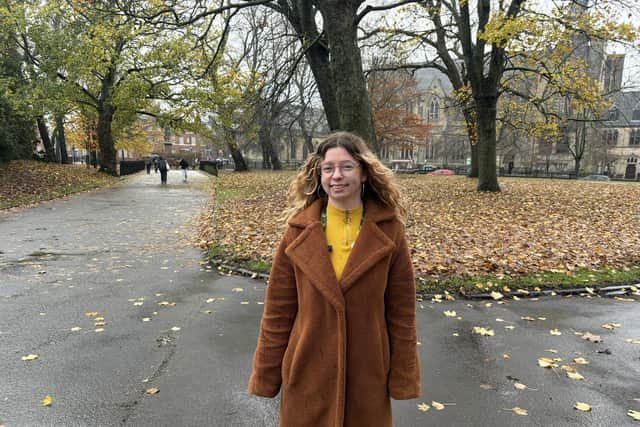

She said areas including Hyde Park and Woodhouse, particularly the park itself, were places where students were more likely to feel vulnerable.
Speaking about the lack of lighting in Woodhouse Moor, a popular route for students travelling to and from university, Lucy said the issue had been raised repeatedly over many years.
She told the YEP: “We’re now entering the winter months where it gets dark so early.
“It’s only 4pm and students are having to walk a longer way home in the dark, which isn’t fair because they deserve to have the shortest route to get back.”
Lucy said she had lobbied local councillors and MPs about the possibility of installing lights in the park.
“I think it would be great to have lights in the park,” she said. “That would make it so much easier to get home.”
One argument that Lucy says has come up in discussions is that installing lights could create a false sense of security.
However, Lucy suggested lighting could be introduced during specific hours, particularly when students are making their way home from classes.
She recognised the work taking place to improve safety, including the university’s SafeZone app, the night bus service from Leeds University Union, and support from societies.
The Students Against Sexual Harassment and Assault (SASHA) society also provides opportunities for students to campaign on the issue and access welfare support.
The union has additionally secured funding from the West Yorkshire Mayor to provide nighttime safety packs.
However, Lucy says tackling the issue required cooperation beyond the university and its students’ union.
She said one of the reasons she originally stood for her role was the high number of reports of spiking and harassment on nights out.
She added: “The university can do as much as they can to support students, but we also need to make sure our venues are safe for students.”
Lucy is also working with Leeds City Council on Reclaim the Night, a movement which began in Leeds in 1977 to protest against women’s inability to walk home safely at night.
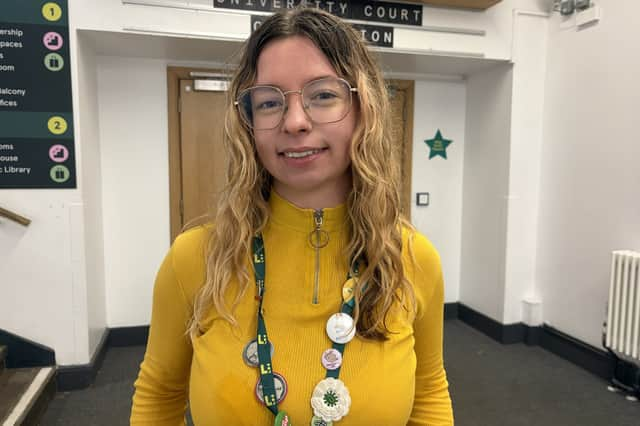
She said the march was about more than nighttime safety, with sexual harassment and assault continuing to affect women, marginalised genders and wider communities.
For those who have experienced harassment or assault but have never felt able to report it, she said the event could offer an important sense of solidarity.
“Reclaim the Night is a really visual aid that everyone is here together to support each other,” she said.
But Lucy wants the event to lead to more than a single night of campaigning.
She said she hopes to bring together students, societies and long-term Leeds residents to discuss what changes they wanted to see and how they could work together to make them happen.
Lucy added that gathering people’s experiences and ideas would help ensure the momentum behind the campaign continued beyond the event itself.
The University of Leeds said its campus teams “work 24/7” to help keep students safe.
It pointed to measures such the SafeZone app, which provides immediate access to campus security and emergency support, alongside its partnership with West Yorkshire Police and its on-campus police constable.
“The safety and wellbeing of our students is our highest priority,” a spokesperson for the university said.
“Throughout the year, our student support teams work in partnership with LUU to deliver and on-campus roadshows to promote a culture of respect, reinforce expected standards of behaviour, and ensure students know how and where to access support whenever they need it.”
A spokesperson for Leeds City Council said: "Tackling violence against women and girls is a key priority for Leeds City Council and we work closely with West Yorkshire Police and other partners to improve safety across the city. Walking day or night should never feel unsafe.
"We recognise concerns that have been raised about safety in and around Woodhouse Moor, including questions about park lighting. As one of our largest and most heavily used parks, Woodhouse Moor serves many different purposes and there are a range of views about the introduction of additional lighting, including considerations relating to the park environment, biodiversity, maintenance, impact on people residing in properties bordering the park and the overall character of the space.
"There is no single measure that can completely eliminate concerns about personal safety, and evidence shows that lighting alone does not necessarily prevent anti-social behaviour or violence.
"For that reason, our approach is a bespoke one based on the specific park concerned and focuses on a combination of environmental improvements, community engagement, park management, targeted partnership activity and wider initiatives aimed at improving safety and confidence for women and girls.
"Through government-funded programmes and ongoing engagement with residents, park users and women and girls, we continue to explore opportunities to improve public spaces and ensure they are welcoming, accessible and feel as safe as possible.
"This work sits alongside a range of citywide initiatives we have introduced including the WalkSafe app, Ask for Angela, the Jog On campaign and Stop the Spike, and safety patrols which together form part of our wider approach to improving safety for women and girls."