
Criminal gangs in Leeds using 'dangerous' legal loophole to sell illegal tobacco, vapes and alcohol

Licensing officials at Leeds City Council have moved to shut down a legal loophole that allows criminal gangs to continue trading in illicit tobacco, vapes or illegal alcohol sales.
Investigations by the licensing officers and West Yorkshire Trading Standards revealed that organised crime groups are exploiting a gap in the Licensing Act 2003 to evade enforcement action when a venue is under investigation for suspected illegal activities.
The loophole allows named licence holders to immediately transfer their licence to an associate – effectively re-setting the prosecution process and allowing the illicit sales to continue uninterrupted.
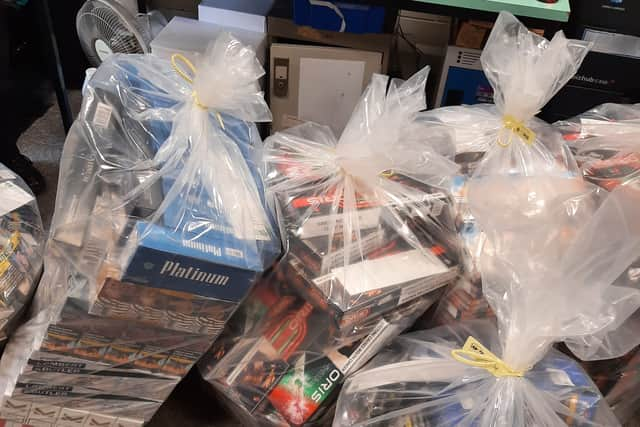

After making the discovery, Leeds City Council’s licensing committee alerted national officials to the loophole – with the government now pledging to analyse the recommendations as part of its ongoing review into the Licensing Act 2003.
The council reached out to counterparts across the country to gather evidence and raise the issue on a national scale and found that the issue was widespread, with 70 per cent of those surveyed reporting direct experience of licence transfers during enforcement action and 98 per cent supporting national policy change.
‘Deeply concerning’
Councillor James Gibson, chair of Leeds City Council’s licensing committee, said: “It’s fantastic that, due to the diligence of our cross-party licensing committee members and the hard work of officers, we have exposed what could be a potentially dangerous loophole in the law.
“Our national survey had an overwhelming response from over 240 organisations across licensing, trading standards and public health. The findings were deeply concerning and provide compelling evidence to urgently reform the Licensing Act 2003.
“I’d like to thank our staff and partners here in Leeds, and across the country, for their work in highlighting and tackling this pressing matter.”
‘Urgent reform’
Councillor Debra Coupar, Leeds City Council’s deputy leader and executive member for resources, said: “Leeds has led the way in calling for urgent reform on this issue, reflecting the strength and commitment of our ongoing partnership work across the city to support a robust licensing system.
“While no decisions or legislative changes have yet been announced, we stand ready to support national efforts to modernise the Licensing Act 2003 and believe our recommendations are essential to safeguarding the public interest and upholding all legal objectives.”
‘Illegal operations’
Victoria Eaton, Leeds City Council’s director of public health, said: “The consequences of criminal gangs being allowed to continue their illegal operations puts the health of people across Leeds, and the country, at risk.
“It’s really important that we urgently close this loophole and stop these gangs from evading enforcement, ensuring the trade of illicit tobacco, vapes and alcohol is effectively and swiftly removed from our streets and communities.”

The current Licensing Act 2003 regulates activities such as the sale of alcohol, provision of entertainment and late-night refreshment.
The government launched a call for evidence in October last year aimed at reforming the licensing system to develop a more modern, proportionate and streamlined framework.
In its wider response to the ongoing review of the Licensing Act, Leeds City Council also pressed for the inclusion of public health as a licensing objective – enabling alcohol harm to be considered in the granting of licences in at-risk areas.
The government has announced some of the changes so far, with the remainder expected after further consultation.