


First recorded in the 1086 Domesday Book under the names Podechesaie and Podechesai, Pudsey’s roots run deep into West Yorkshire history.
Long before it officially became a town in 1878 - and famously granted borough status in 1900 under the very last incorporation bill granted by Queen Victoria - monks from nearby Kirkstall Abbey regularly grazed their sheep across its rolling fields.
Today, the market town retains a rich architectural footprint spanning centuries of textile, religious, and civic history.
Photographer Gerard Binks took a tour of Pudsey's most iconic streets to capture its heritage as it stands today.
13. Historic Pudsey in pictures
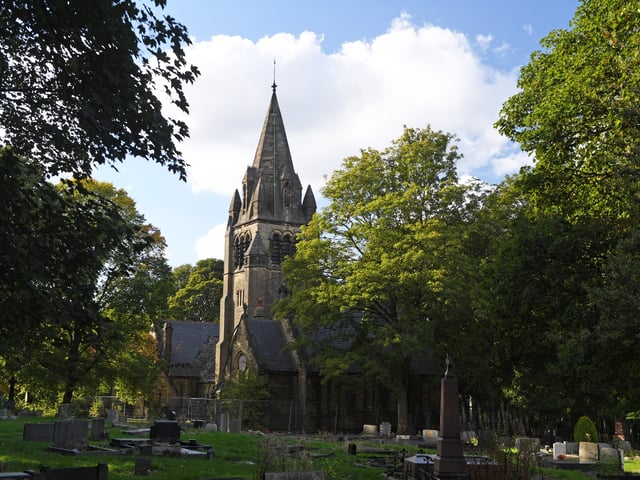
The eastern half of the cemetery was consecrated for Church of England burials on 8 June 1875, according to Historic England | Gerard Binks
14. Historic Pudsey in pictures
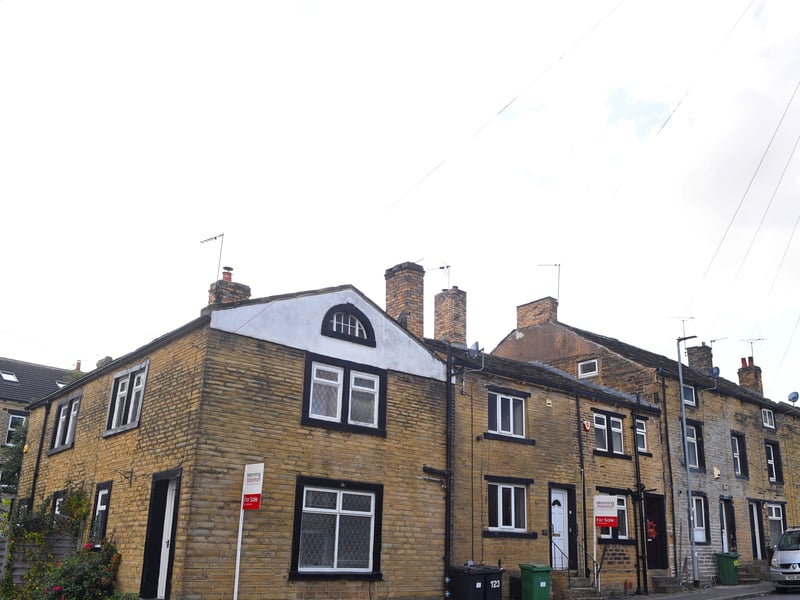
119-123 Fartown, a Grade-II listed row of houses that date back to the early 19th century. They feature thin coursed hammer-dressed stone and a stone slate roof. | Gerard Binks
15. Historic Pudsey in pictures
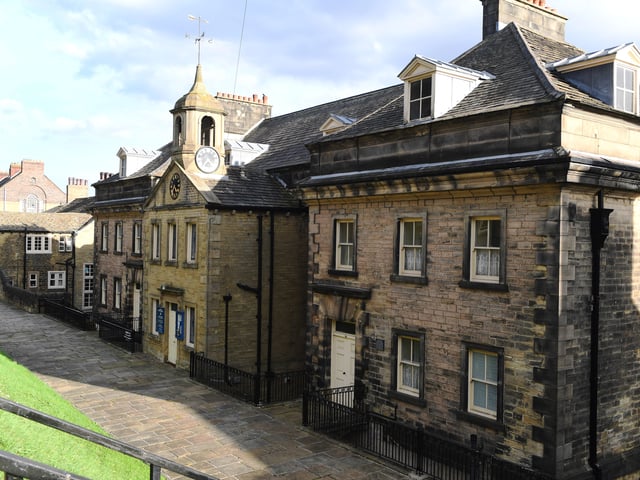
One of the most historic areas of Pudsey is the Fulneck Moravian Settlement, built by the Moravians in the mid-18th century. Pictured is the Grade-I listed Fulneck Moravian Church. | Gerard Binks
16. Historic Pudsey in pictures
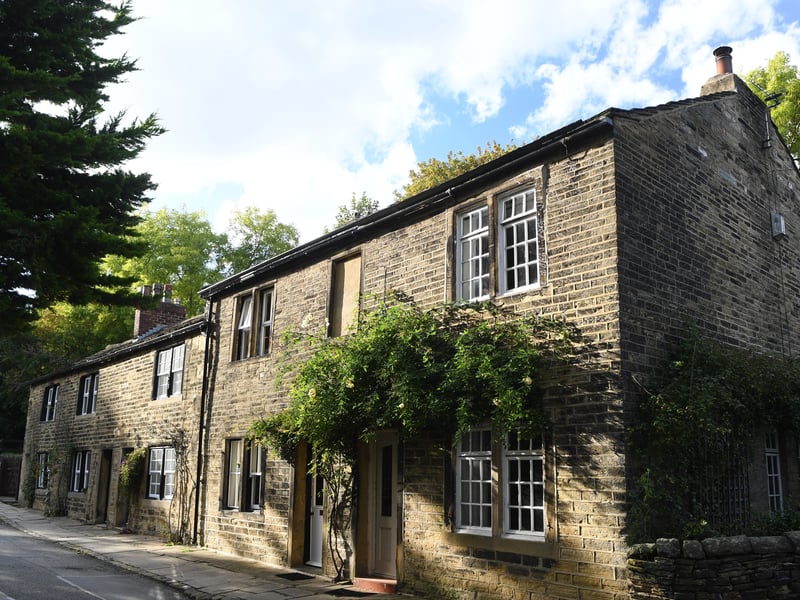
The Grade-II listed 19-27 Fulneck cottages, built around the late 18th century/early 19th century, and part of the Moravian settlement | Gerard Binks
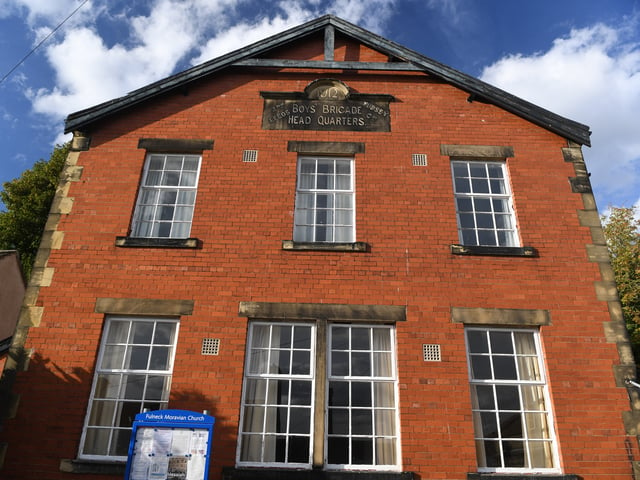
17. Historic Pudsey in pictures
The former Boys Brigade Headquarters in Fulneck | Gerard Binks