

From skyscrapers setting new records in the city to massive regeneration schemes, 2025 has seen the city undergo numerous changes.
Leeds’ South Bank has been transformed into the country’s biggest public park, while on Merrion Way, Cirrus Point rises 134 metres tall.
Below, we take a look at some of the developments that have transformed Leeds’ skyline in 2025:
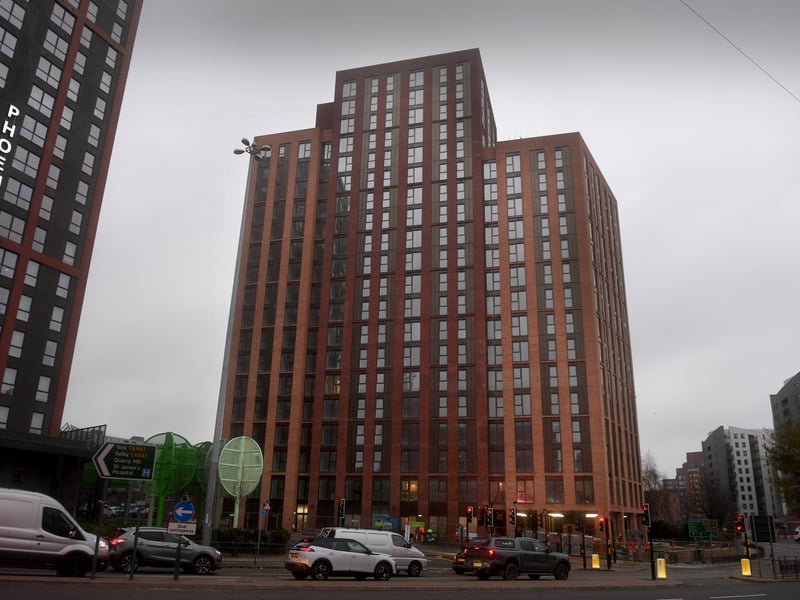
1. Saxton Heights, Saxton Lane
A new £42 million apartment scheme in the centre of Leeds was completed this autumn. The new building, off Saxton Lane, contains 207 affordable built-to-rent apartments. The development also includes around 200 cycle spaces to encourage sustainable travel. Four of the apartments are fully wheelchair adaptable. | Iconic Photo: Simon Hulme
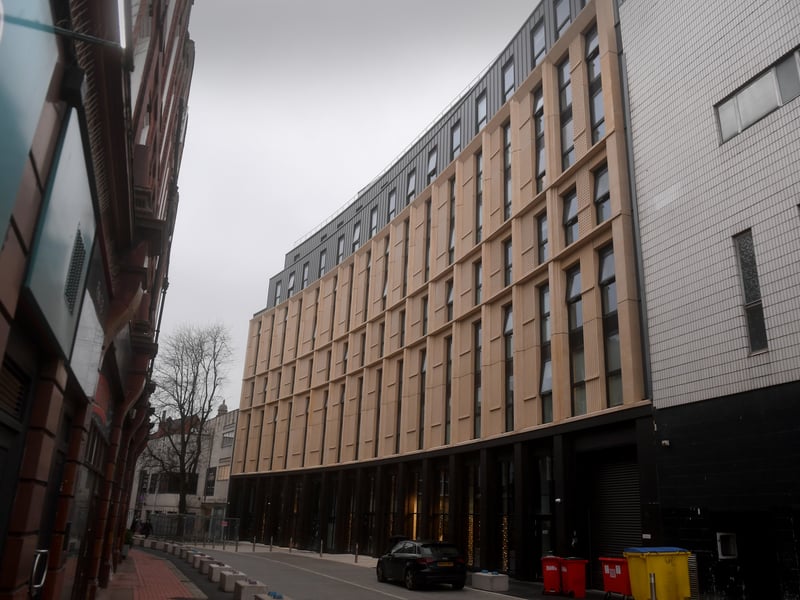
2. The Store House, Central Road
The Store House on Central Road replaces the now-demolished House of Fraser in Leeds city centre. The development comprises 369 purpose-built en-suite bed spaces for the city's students. | Iconic Photo: Simon Hulme
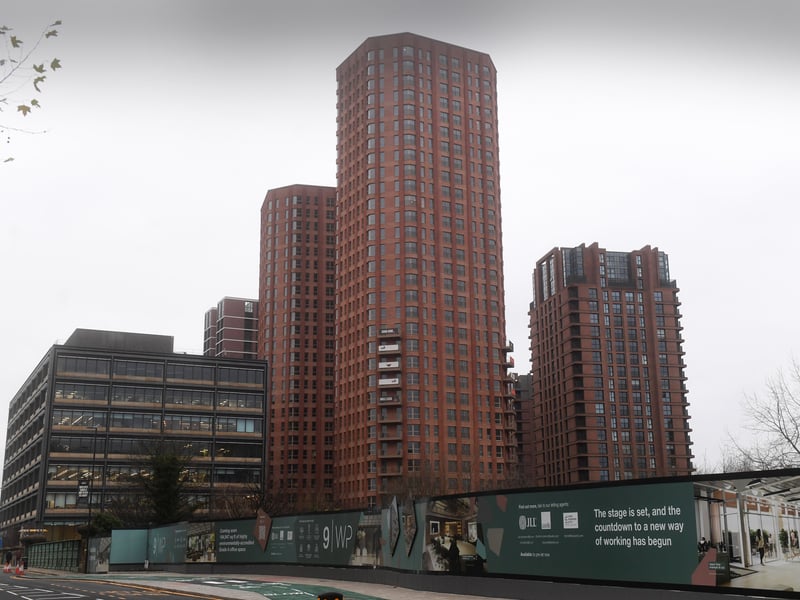
3. Hub, Whitehall Road
Hub on Whitehall Road is not yet completed. But the 26- and 31- storey towers - which will deliver 488 apartments - have made their mark on the cityscape since they were erected. | Iconic Photo: Simon Hulme
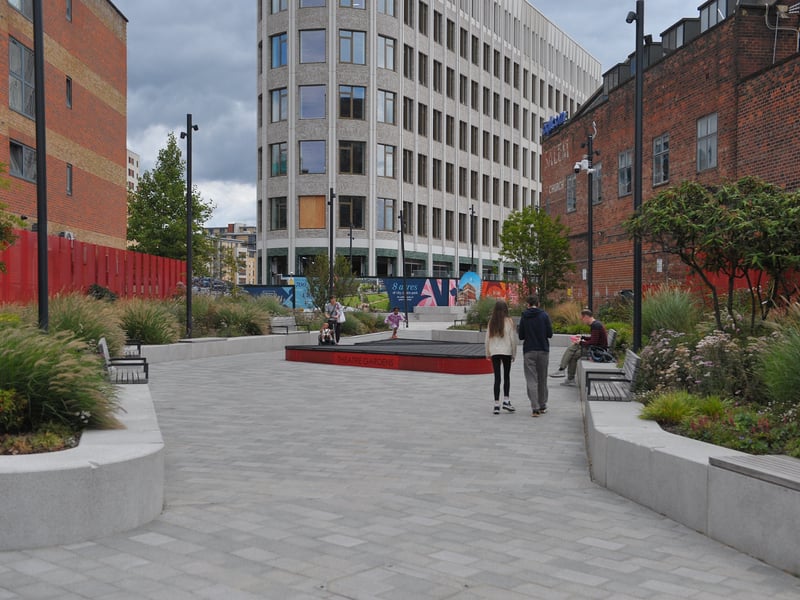
4. Aire Park, South Bank
While Aire Park remains a few years from being completed, 2025 saw major structures rise on the South Bank. New commercial and residential buildings have appeared in what will be one of the UK's largest urban green spaces. | Iconic Photo: Steve Riding
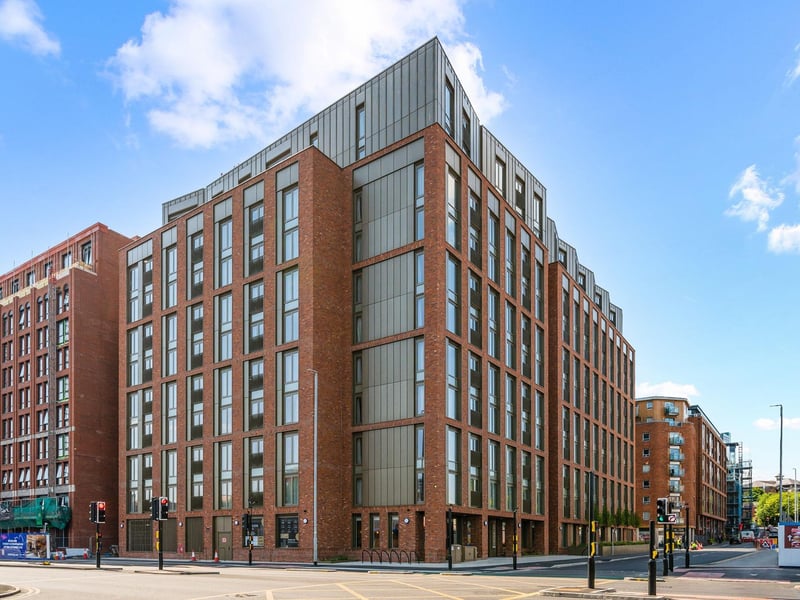
5. Spinners Yard, Regent Street
Spinners Yard is a 185-apartment, U-shaped built-to-rent scheme on Regent Street in Mabgate in the city centre. It features a mix of studio, one, two and three bedroom apartments, and is amongst the city's newest developments to be completed. | Spinners Yard Photo: Submitted
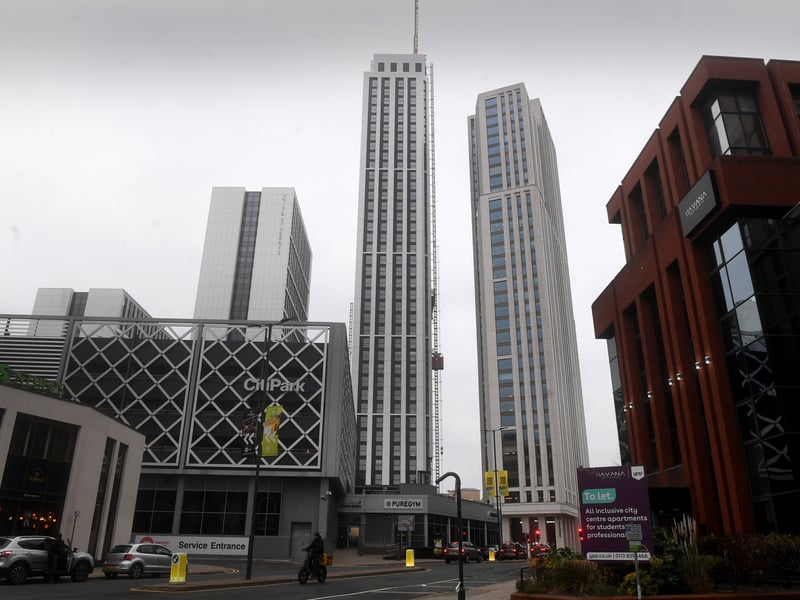
6. Cirrus Point, Merrion Way
According to the developer, Cirrus Point is the tallest student accommodation scheme in the world and the highest building in Leeds. The 45-storey tower will welcome its first residents in time for the 2026 academic year. | Iconic Photo: Simon Hulme