
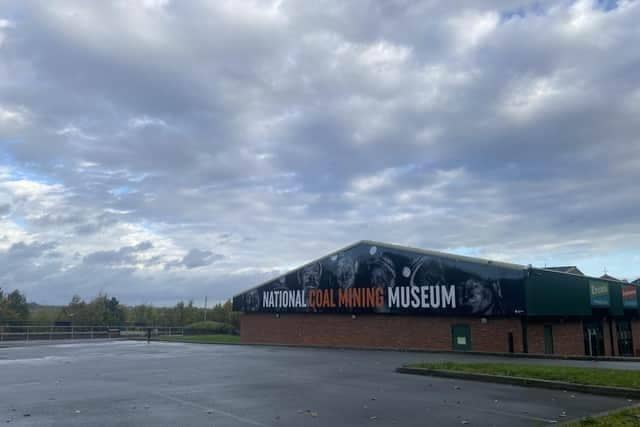

The district is steeped in history, with celebrity visits, an influence on popular culture and notable battles.
Here are 12 fascinating facts about Wakefield that you may not know.
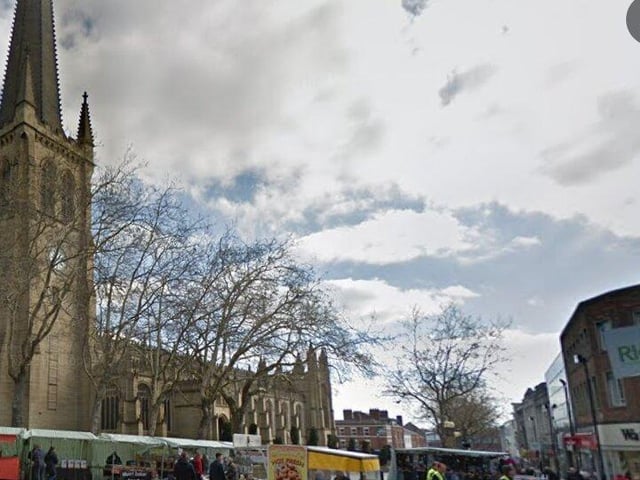
1. Brigantes beginnings
The area around Wakefield was the home of the Brigantes until it was occupied by the Romans around 43 AD. The Brigantes were Ancient Britons who in pre-Roman times controlled the largest section of what would become Northern England. Photo: Google Maps
2. Wakefield Cathedral
Wakefield Cathedral is actually built on the site of a Saxon church, evidence of which was uncovered in 1900 when extensions to the East End were being made. Photo: Scott Merrylees
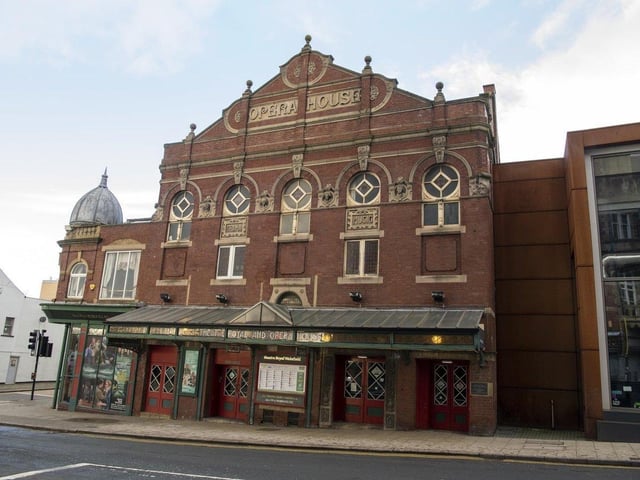
3. Theatre Royal
Originally, the beloved Wakefield hotspot was known as the ‘Theatre Royal and Opera House’ in the 1770’s, however during the 1920’s it began to compete against local cinemas which led to it closing in 1954. The building was then used as a picture house, and after that a Bingo Hall. In 1981, the building returned to its original purpose and reopened as ‘The Theatre Royal’. Photo: Scott Merrylees
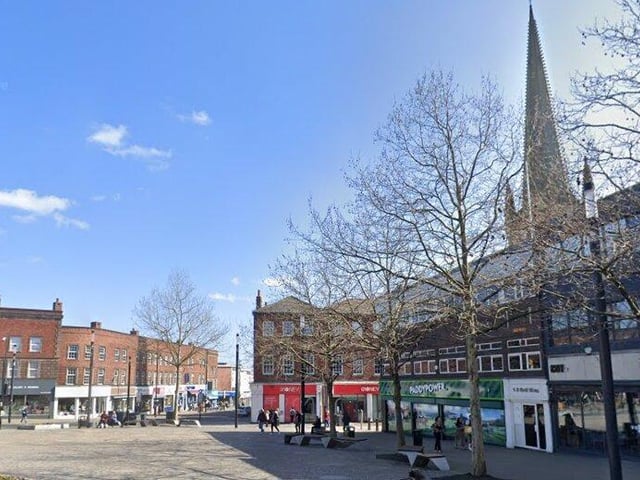
4. Wakefield's population
Between the last two censuses (held in 2011 and 2021), the population of Wakefield increased by 8.4%, from just over 325,800 in 2011 to around 353,400 in 2021. Photo: Google Maps
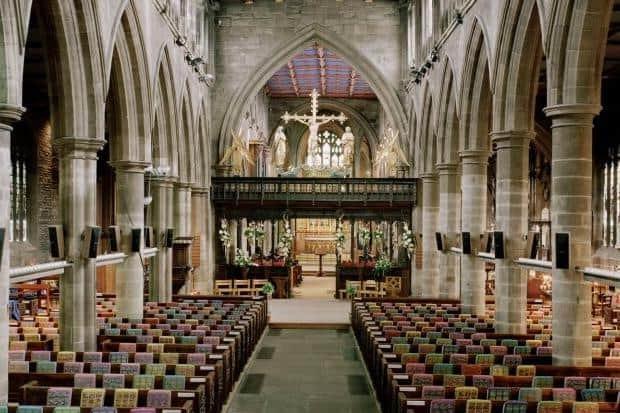
5. The Doomsday Book
A church in Wakefield believed to be on the site of which the cathedral occupies today, was mentioned in the Doomsday Book - a manuscript record of the "Great Survey" of much of England and parts of Wales completed in 1086 at the behest of King William I, known as William the Conqueror. Photo: Wakefield Cathedral
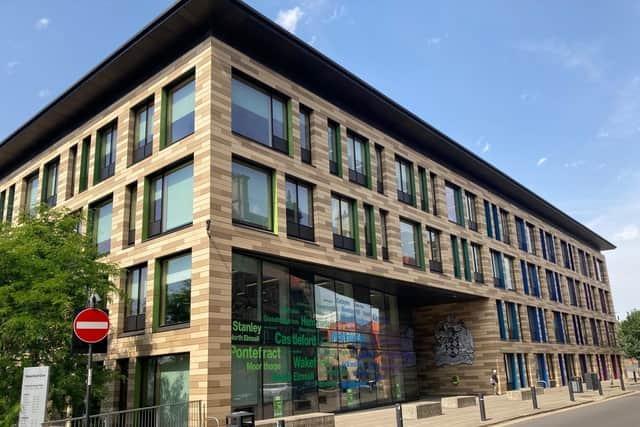
6. Wakefield Museum
In 2013, Sir David Attenborough opened the museum to the public after it was relocated from the edge of the city centre to the heart of the city. Photo: Scott Merrylees