
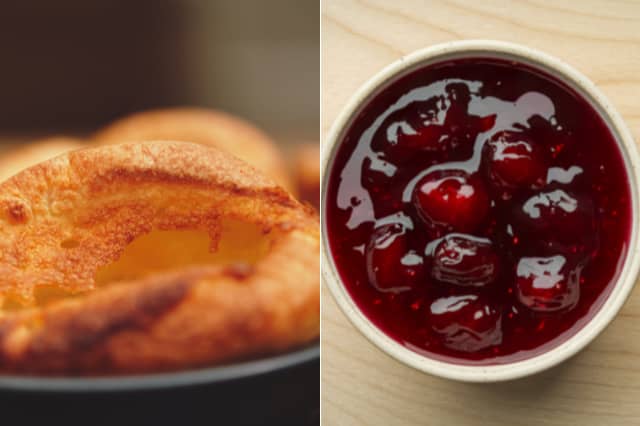


Whether you’re a purist or a rebel, today marks the official National Yorkshire Pudding Day, a 24-hour celebration of our county’s greatest export - be it in a wrap or as part of an “ultra-roast” dinner in the city.
Long before it became the star of our Sunday roasts, the Yorkshire pudding was a gritty, functional invention born out of necessity. In the early 1700s, it wasn't even called a Yorkshire pudding; it was known as "Dripping Pudding."
Cooks in Northern England hated to see the precious fat from a roasting joint of mutton or beef go to waste. They realised they could place a simple batter in a pan beneath the meat as it turned on the spit. The batter would catch the sizzling, seasoned "dripping" as it fell, puffing up into a savoury, calorie-dense treat.
We have a lady named Hannah Glasse to thank for the name we use today. In her 1747 bestseller, The Art of Cookery Made Plain and Easy, she "rebranded" the dripping pudding as the Yorkshire Pudding.
Why Yorkshire?
Some food historians believe it was because the region’s coal-fired ovens produced a much higher, more consistent heat than wood-burners elsewhere, allowing the puddings to rise into the towering, crispy "pillows" we recognise today. In fact, to this day, the Royal Society of Chemistry dictates that a "true" Yorkshire pudding must be at least four inches tall to earn its title.
But while we all know the classic "meat and two veg" setup, we wanted to know: where is the line? We asked you on the Yorkshire Evening Post Facebook page for the weirdest combinations you’ve ever seen served with (or inside) a Yorkshire pud.
From the traditional to the truly "wrong," here is what Leeds had to say.
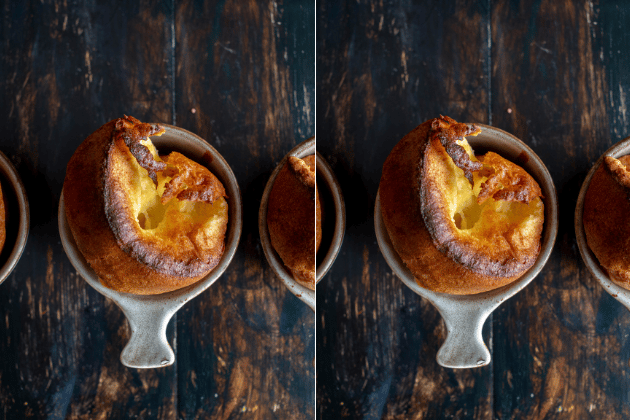
13. With nothing - why ruin it?
Of course, many Yorkshire folk will tell you why bother messing with what is already a perfect comfort food. If it ain't broken, don't fix it - that includes the humble Yorkshire pudding. | Canva