

The city council's chief executive urged people to stay at home to 'keep the new variant at bay' as the rate fell for two consecutive days. It's down from 355 new cases per 100,000 people on Saturday January 9 to 332.6 new cases per 100,000 people on Monday January 11. But infection rates vary across the city's Middle Super Output Areas (MSOA) - a geographic measure of approximately 7,200 people - and some Leeds neighbourhoods have even lower rates of infection than the city's average. These are the Leeds areas with the lowest infection rates in the seven days to January 6, the latest available figures. All images are for illustrative purposes only.
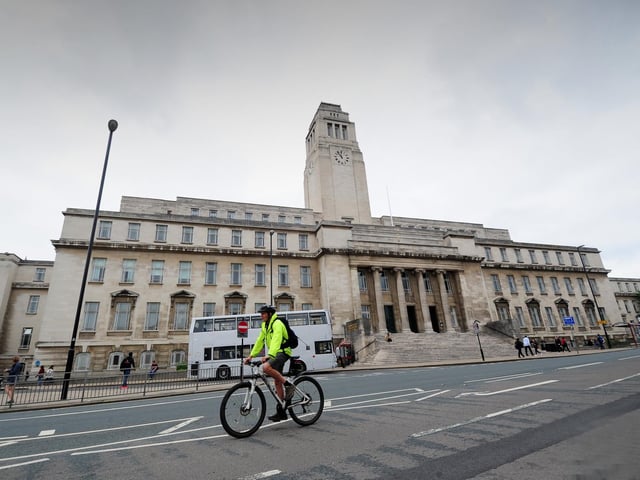
1. University & Little Woodhouse
University & Little Woodhouse had 13 new cases in the seven days to January 6 - that’s a rate of 113.4 per 100,000 people. It’s down 35% from the previous week
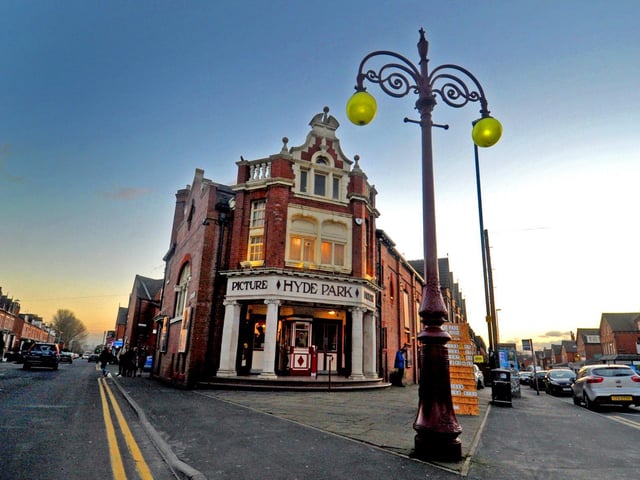
2. Hyde Park
Hyde Park had 10 new cases in the seven days to January 6 - that’s a rate of 118.1 per 100,000 people. It’s down 9.1% from the previous week
3. Farnley East
Farnley East had nine new cases in the seven days to January 6 - that’s a rate of 138.7 per 100,000 people. It’s down 50% from the previous week
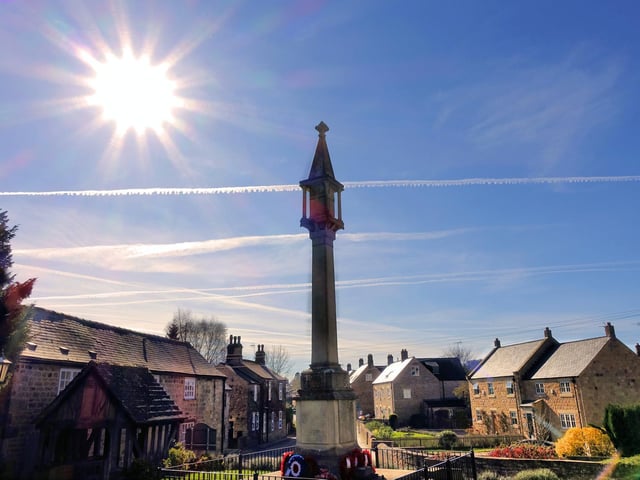
4. Aberford, Barwick & Thorner
Aberford, Barwick & Thorner had 9 new cases in the seven days to January 6 - that’s a rate of 139.6 per 100,000 people. It’s down 55% from the previous week Photo: Paul Goodyear
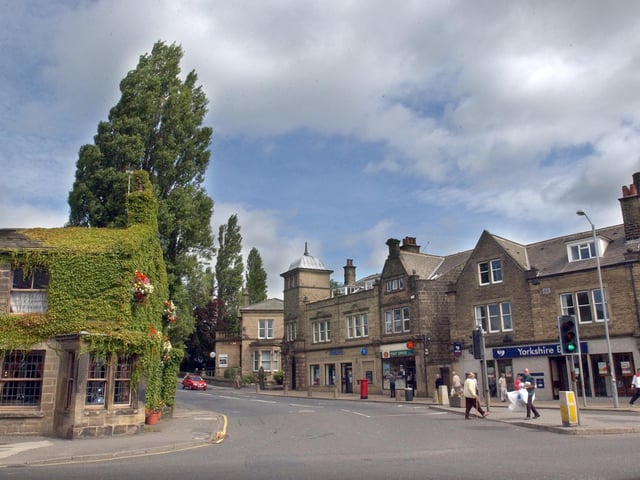
5. Guiseley East & South
Guiseley East & South had 10 new cases in the seven days to January 6 - that’s a rate of 146.7 per 100,000 people. It’s down 44.4% from the previous week Photo: Google
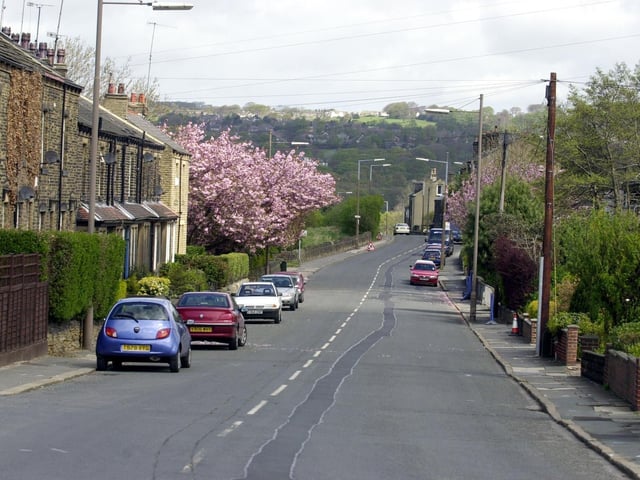
6. Farsley South, Stanningley & Pudsey North West
Farsley South, Stanningley & Pudsey North West had 11 new cases in the seven days to January 6 - that’s a rate of 148.4 per 100,000 people. It’s down 35.3% from the previous week