
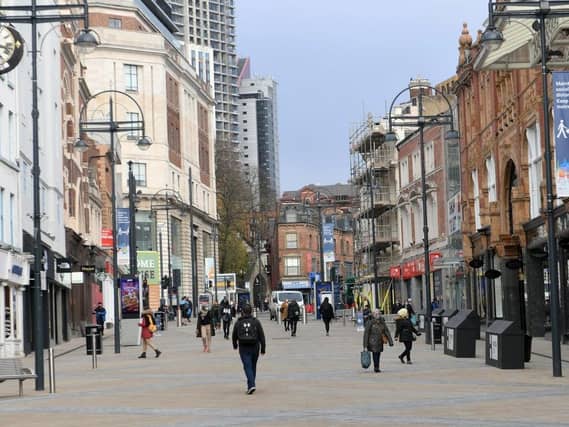

Barnsley has the highest rate in England, with 478 new cases recorded in the seven days to March 19 – the equivalent of 193.6 cases per 100,000 people.
The latest figures, for the seven days to March 19, are based on tests carried out in laboratories (pillar one of the Government’s testing programme) and in the wider community (pillar two). The rate is expressed as the number of new cases per 100,000 people. Data for the most recent days (March 20-23) has been excluded as it is incomplete and does not reflect the true number of cases. Of the 315 local areas in England, 120 (38 per cent) have seen a rise in case rates, 188 (60 per cent) have recorded a fall and seven are unchanged. Images are for illustrative purposes only.
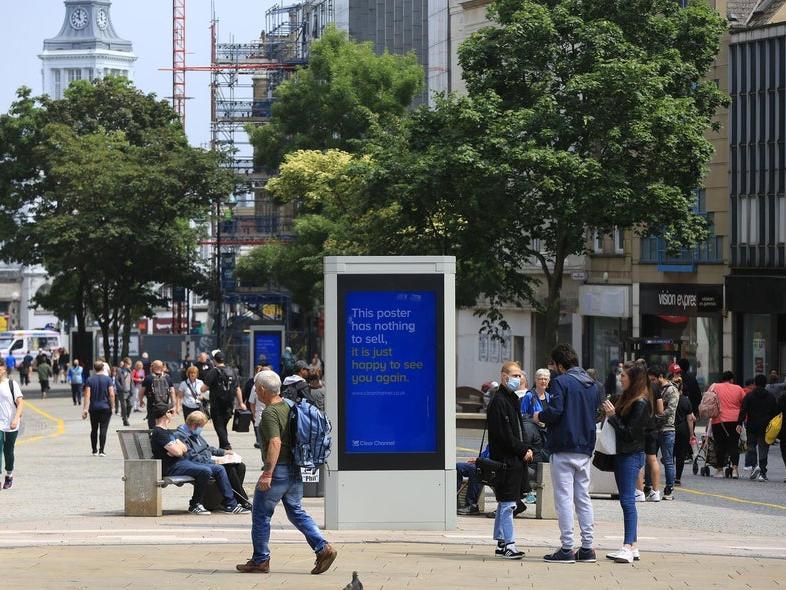
7. Sheffield
Sheffield had a rate of 111.5 (652 cases) in the seven days to March 19, up from 97.3 (569 cases) the previous week.
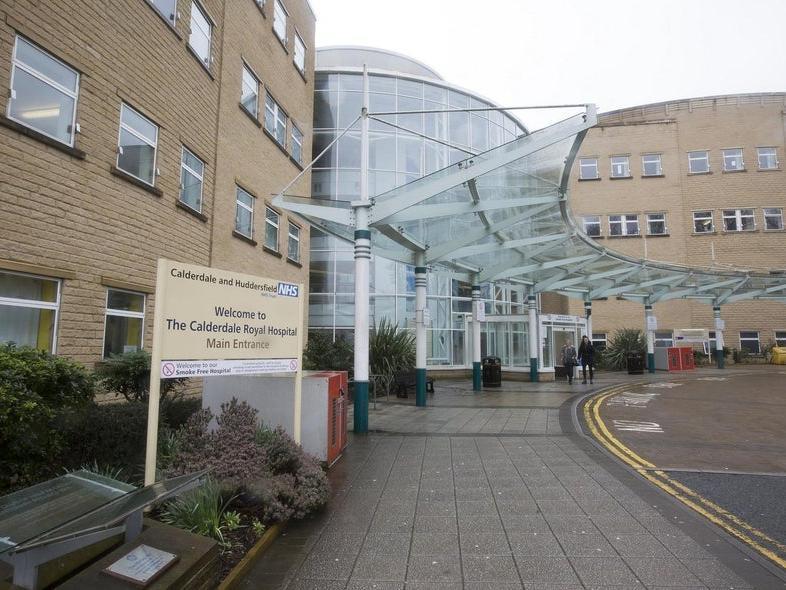
8. Calderdale
Calderdale had a rate of 86.1 (182 cases) in the seven days to March 19, down from 108.3 (229 cases) the previous week.
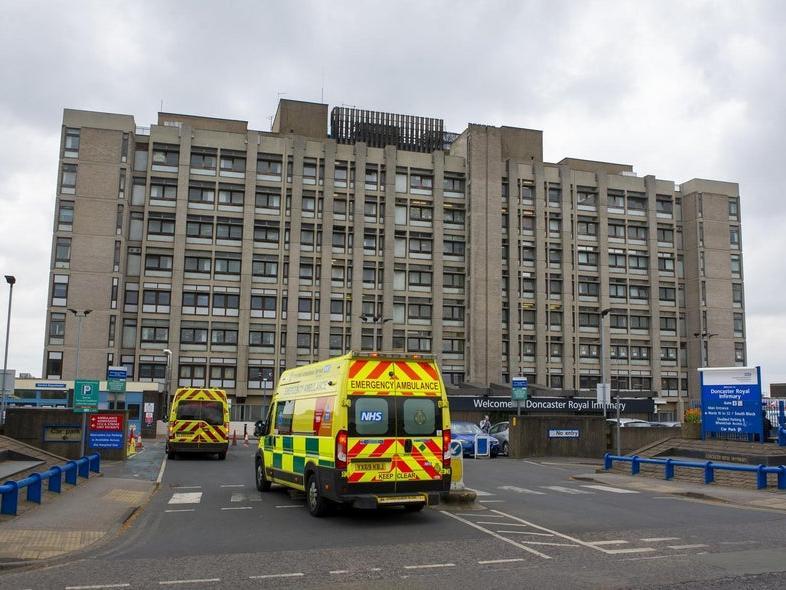
9. Doncaster
Doncaster had a rate of 121.8 (380 cases) in the seven days to March 19, up from 110.0 (343 cases) the previous week.
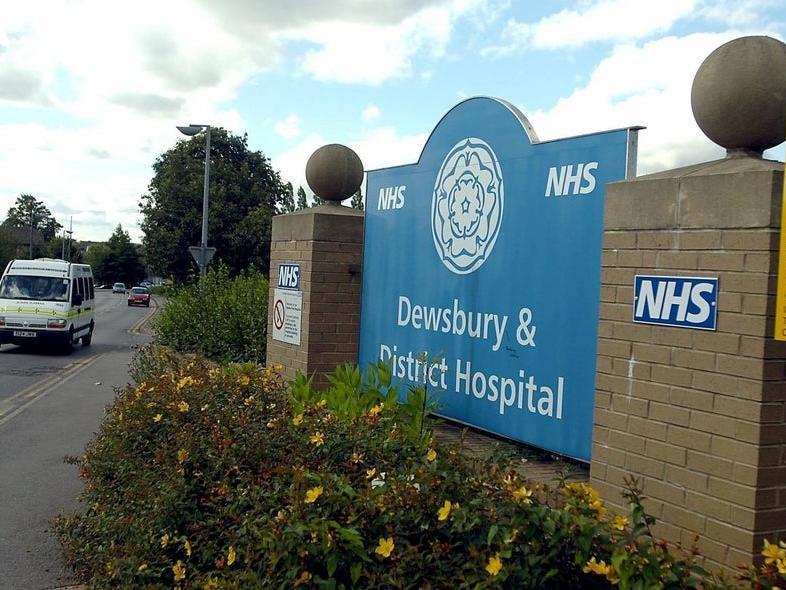
10. Kirklees
Kirklees had a rate of 105.7 (465 cases) in the seven days to March 19, up from 97.3 (428 cases) the previous week.
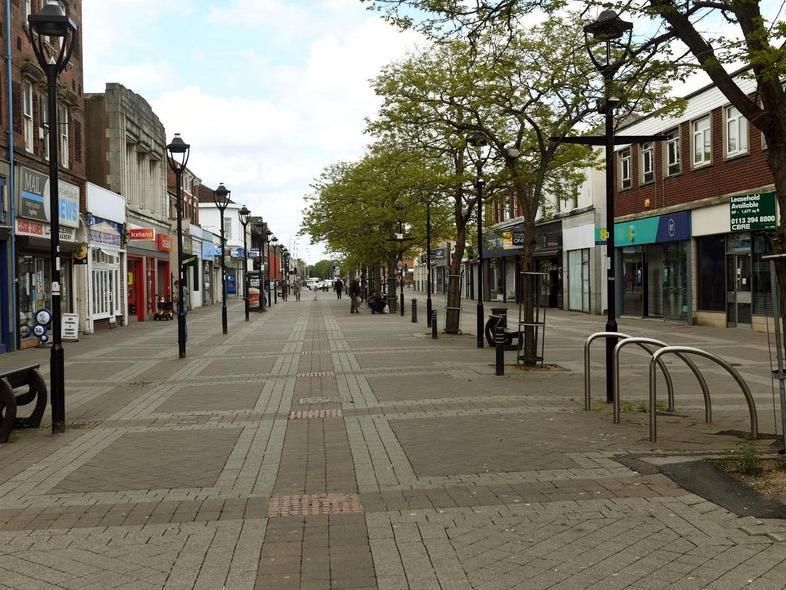
11. East Riding of Yorkshire
East Riding of Yorkshire had a rate of 79.4 (271 cases) in the seven days to March 19, up from 71.5 (244 cases) the previous week.
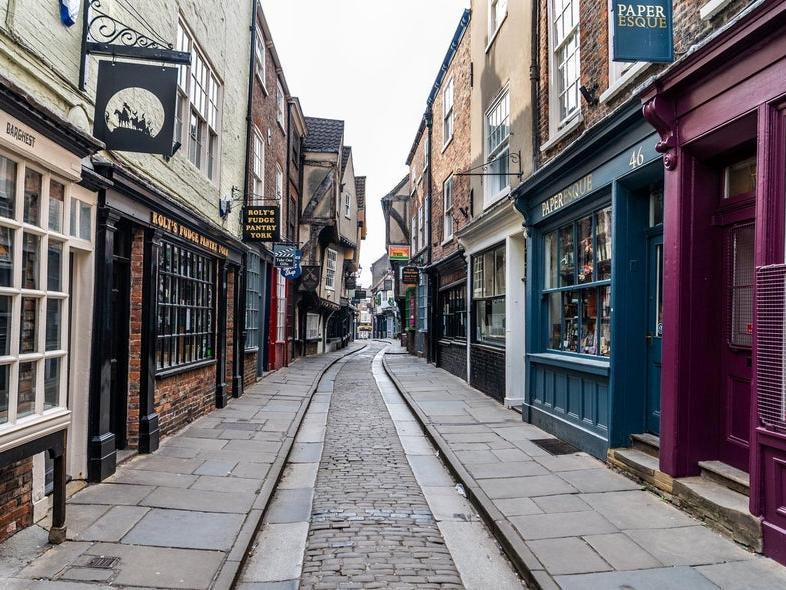
12. York
York had a rate of 30.4 (64 cases) in the seven days to March 19, down from 47.5 (100 cases) the previous week.