

Millions of people with severely weakened immune systems will be offered a third dose of a Covid-19 vaccine, but the mass rollout is still on hold.
The Joint Committee on Vaccination and Immunisation (JCVI) is yet to provide a recommendation on boosters.
The committee’s deputy chairman Professor Anthony Harnden said this week that it is “highly likely” there will be a booster mass rollout, but a final decision has not been made.
Former health secretary Jeremy Hunt warned that just a few days in a pandemic can make “a big difference”, as he urged politicians to go ahead rather than waiting for the JCVI advice.
It comes as the latest Government figures show that coronavirus cases are falling across Leeds.
The city recorded an infection rate of 340.8 new cases per 100,000 people in the seven days to August 28 - down 4.8 per cent from the previous week.
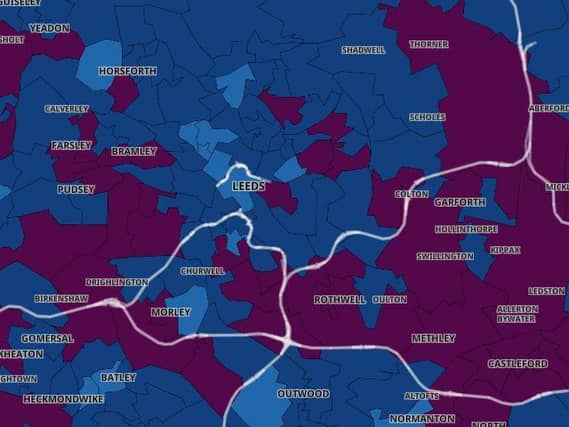
But some Leeds neighbourhoods have much higher rates than the city's average. Here we reveal the Leeds areas with the highest infection rates.
The figures for the seven days to August 28 are based on tests carried out in laboratories (pillar one of the Government’s testing programme) and in the wider community (pillar two). The rate is expressed as the number of new cases per 100,000 people. Images are for illustrative purposes only.
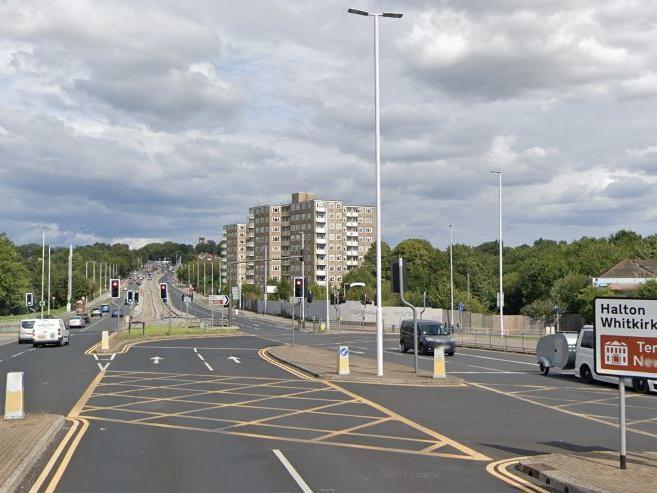
7. Gipton South & Killingbeck Park
Gipton South & Killingbeck Park recorded 39 cases, that’s an infection rate of 536.2. It’s up 2.6% from the previous week. Photo: Google
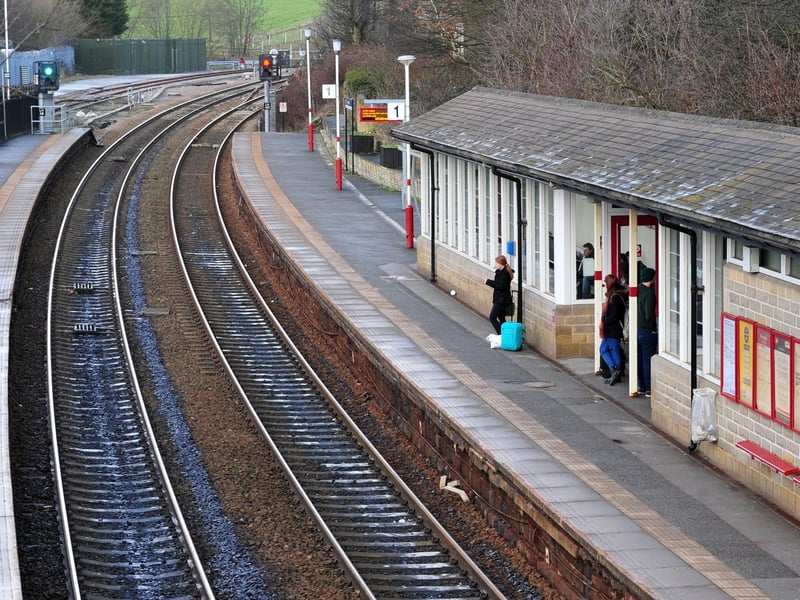
8.
Horsforth East recorded 42 cases, that’s an infection rate of 530.6. It’s up 31.2% from the previous week.
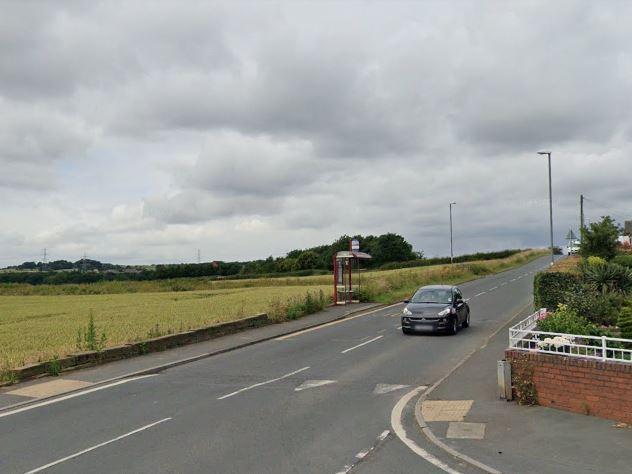
9. Tingley West & West Ardsley
Tingley West & West Ardsley recorded 32 cases, that’s an infection rate of 529.1. It’s up 45.5% from the previous week. Photo: Google
10. Robin Hood, Lofthouse & Middleton Lane
Robin Hood, Lofthouse & Middleton Lane recorded 53 cases, that’s an infection rate of 526.5. It’s up 120.8% from the previous week. Photo: Google
11. Colton, Austhorpe & Whitkirk
Colton, Austhorpe & Whitkirk recorded 28 cases, that’s an infection rate of 515.9. It’s up 12% from the previous week. Photo: Google
12. Drighlington & Gildersome West
Drighlington & Gildersome West recorded 43 cases, that’s an infection rate of 515.5. It’s up 34.4% from the previous week. Photo: Google