
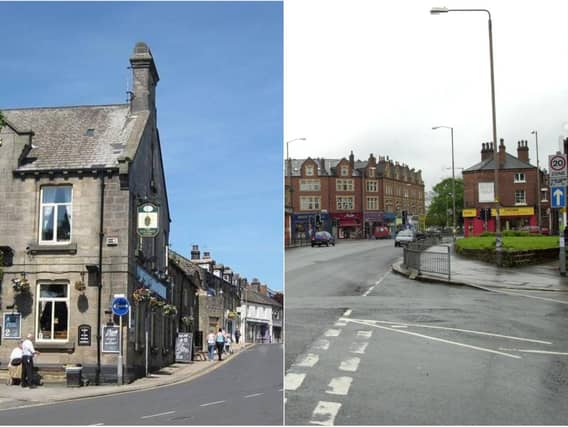

The infection rate, the number of new cases per 100,000 people, was recorded at 317.2 in the seven days to January 13. It's down from 333 the previous week. While the rate is showing a positive downward trend, Leeds City Council's chief executive Tom Riordan has warned that is expected to fluctuate over the coming days. He tweeted: "Please stay in if you can, wear a mask where required and keep your distance". Infection rates vary across the Middle Super Output Areas (MSOA) in Leeds - a geographic measure of approximately 7,200 people. These 17 Leeds neighbourhoods saw the biggest drop in infection rates in the seven days to January 12, the latest available figures, compared to the previous week. All images are for illustrative purposes only.
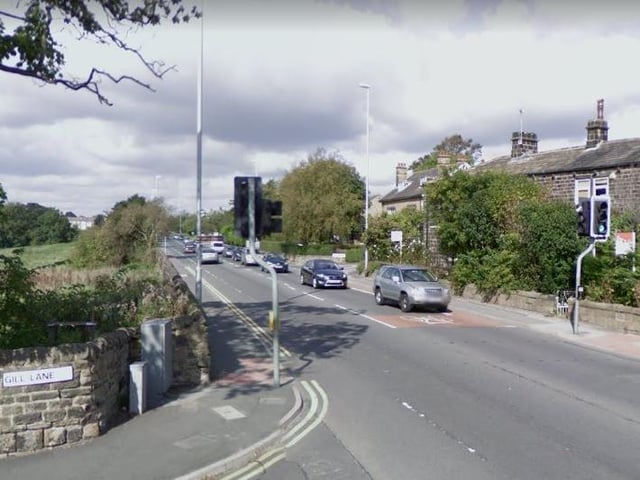
1. Yeadon West
Yeadon West had 12 new cases in the seven days to November 5, an infection rate of 224.3. The rate is down 50 per cent from the previous week. Photo: Google
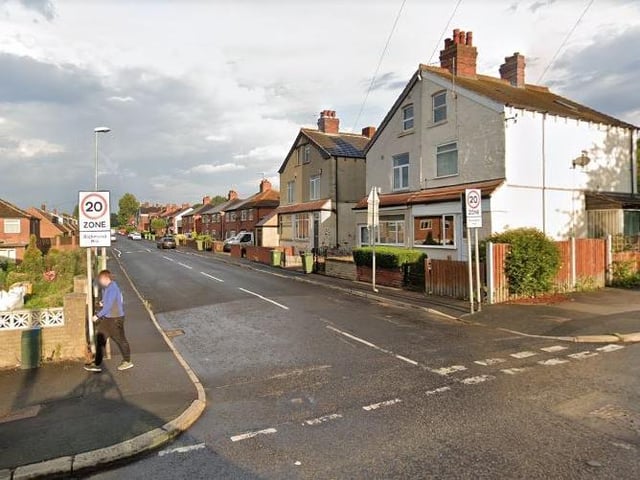
2. Osmondthorpe and Neville Hill
Osmondthorpe and Neville Hill had 19 new cases in the seven days to November 5, an infection rate of 310.4. The rate is down 42.4 per cent from the previous week.
3. Rothwell Inner
Rothwell Inner had 21 new cases in the seven days to November 5, an infection rate of 312.7. The rate is down 36.4 per cent from the previous week.
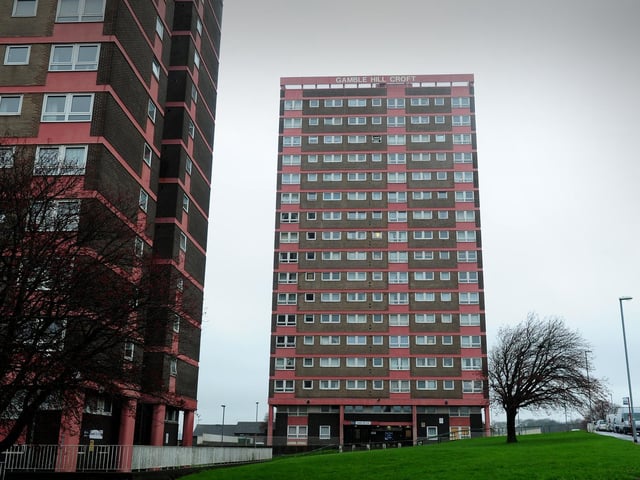
4. Bramley South and Upper Armley
Bramley South and Upper Armley had 32 new cases in the seven days to November 5, an infection rate of 364.7. The rate is down 34.7 per cent from the previous week.
5. Adel
Adel had 23 new cases in the seven days to November 5, an infection rate of 408.2. The rate is down 34.3 per cent from the previous week.
6. Guiseley East and South
Guiseley East and South had 20 new cases in the seven days to November 5, an infection rate of 293.4. The rate is down 33.3 per cent from the previous week.