
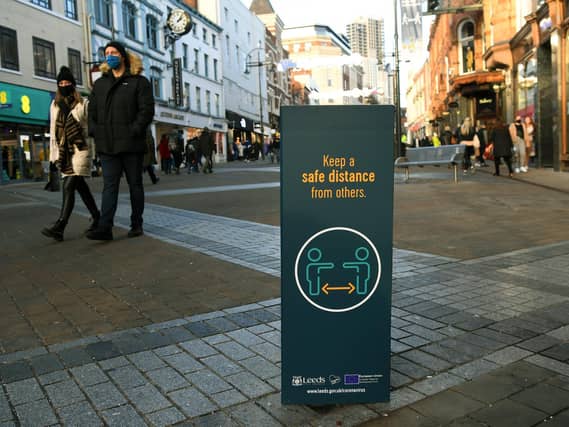

The rolling infection rate, defined as the number of new cases per 100,000 people each week, has fallen across all but one local authority area in Yorkshire. The infection rate has risen in North Yorkshire' s Craven, while Barnsley, Rotherham, Hull, Bradford and Wakefield are among the 11 areas in England which recorded the highest rates.
The latest figures, for the seven days to March 5, are based on tests carried out in laboratories (pillar one of the Government’s testing programme) and in the wider community (pillar two). The rate is expressed as the number of new cases per 100,000 people. Data for the most recent days has been excluded as it is incomplete and does not reflect the true number of cases. Of the 315 local areas in England, 15 (five per cent) have seen a rise in case rates, 299 (95 per cent) have seen a fall and one is unchanged. Images are for illustrative purposes only.
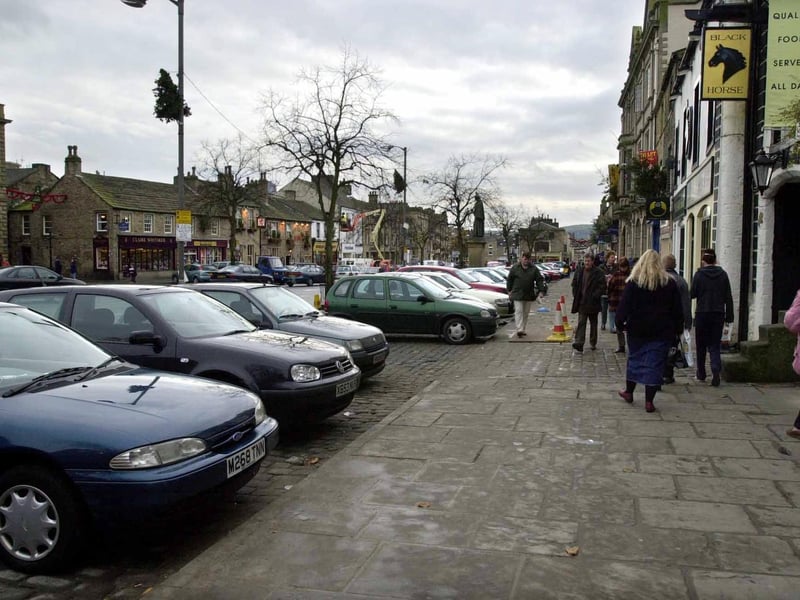
13. Craven
Craven had a rate of 47.3 (27) in the seven days to March 5, up from 31.5 (18) the previous week
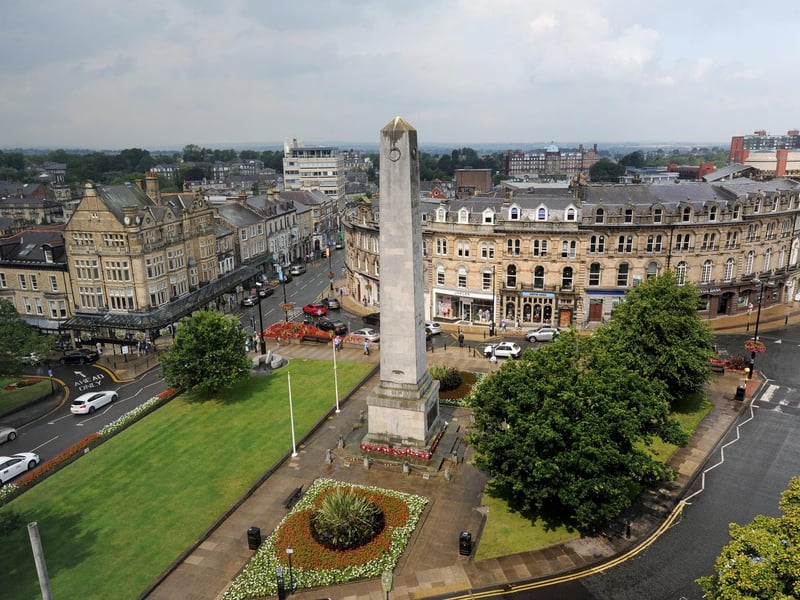
14. Harrogate
Harrogate had a rate of 46.0 (74) in the seven days to March 5, down from 74.0 (119) the previous week
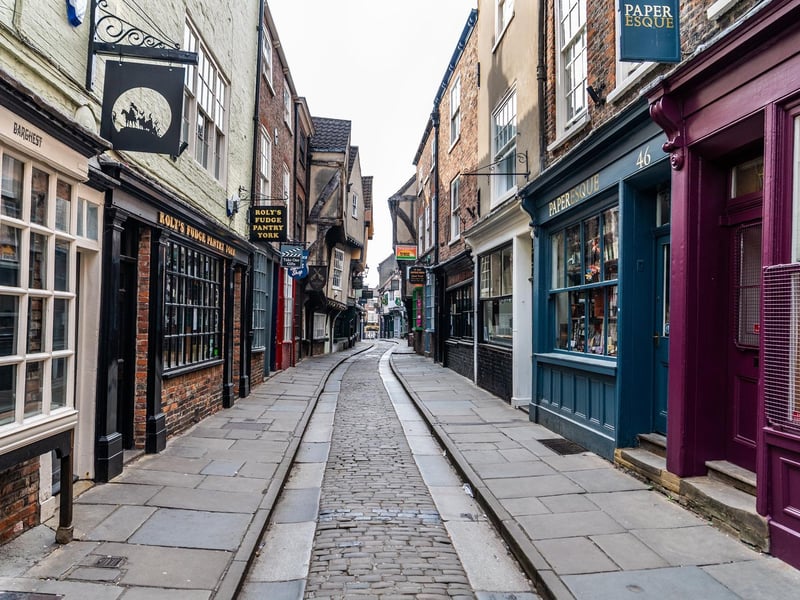
15. York
York had a rate of 45.6 (96) in the seven days to March 5, down from 66.0 (139) the previous week
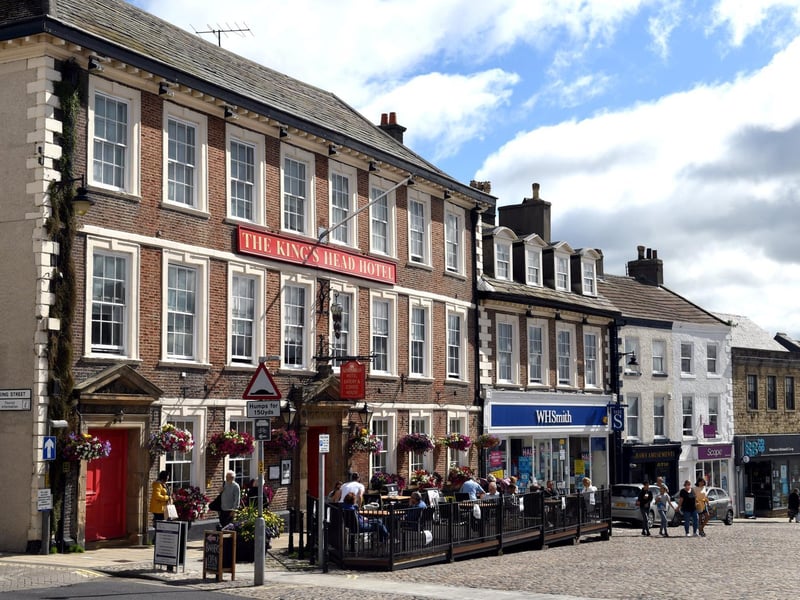
16. Richmondshire
Richmondshire had a rate of 42.8 (23) in the seven days to March 5, down from 91.2 (49) the previous week. [Picture taken before the pandemic]
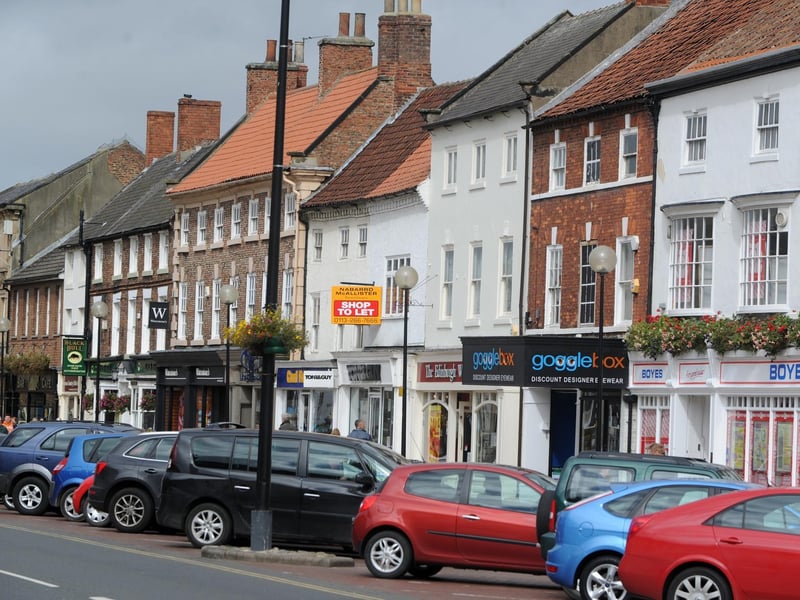
17. Hambleton
Hambleton had a rate of 37.1 (34) in the seven days to March 5, down from 66.6 (61) the previous week

18. Scarborough
Scarborough had a rate of 37.1 (34) in the seven days to March 5, down from 47.8, (52) the previous week