
Pupils provided with a 'wide range of opportunities' at this Leeds primary school - Ofsted report

‘Young children arrive at school full of confidence and excitement’
The personal development offered by a school in Leeds has been praised by Ofsted inspectors.
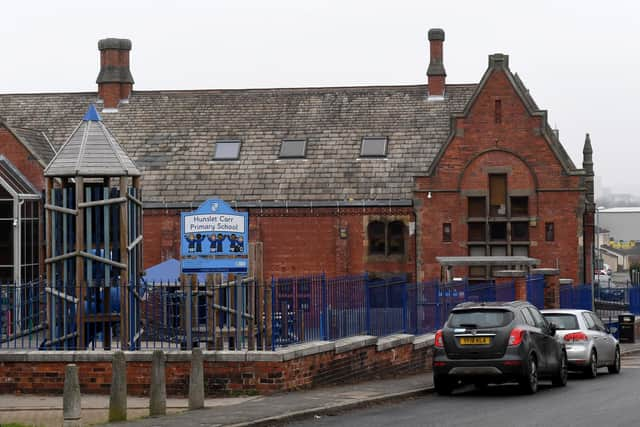
Hunslet Carr Primary School, located on Woodhouse Hill Road, Hunslet, received a ‘Strong standard’ rating in the personal development and wellbeing category during a June 2026 inspection.
Under Ofsted’s new scoring system, one-word grades have been replaced with a colour-coded “traffic light” report card, split into seven sub-categories: achievement, attendance and behaviour, curriculum and teaching, early years inclusion, and leadership and governance, personal development and wellbeing.
The school, previously rated as Good under the old grading system during a 2021 inspection, scored an ‘Expected standard’ rating in the remaining six categories.

“Leaders provide pupils with a wide range of opportunities during their time at the school,” inspectors said. “This effectively supports the building of pupils' character and self-belief. The school's personal, social, health and economic (PSHE) education curriculum helps pupils learn important skills.
“Young children arrive at school full of confidence and excitement. Nursery and Reception embrace this and channel children's exuberance into a love of learning.”
Attendance is improving and persistent absence is reducing, according to the report. However, leaders recognise that further work is needed to “sustain these recent improvements.”
Behaviour at Hunslet Carr is a “genuine strength.” In lessons, pupils engage, focus, and show respect for one another. They listen with attention and collaborate with enthusiasm. While, at social times, the atmosphere is warm and inclusive.
Leaders provide clear strategic direction for the curriculum and teaching. Staff at all levels take ownership of the curriculum. Support staff team up with teachers and together create lessons that inspire pupils and help them remember more over time.
The changes to the school's curriculum are “generally having a positive impact” on what pupils know and remember. Pupils typically make progress from their starting points, however this has not yet translated into the impact leaders would like to see in their published data.
Focusing on areas of further improvement, the education watchdog added: “Leaders must continue to have high ambition for all pupils so that all groups, including higher attaining pupils, consistently achieve well and develop detailed knowledge and skills across the school's curriculum so that they are well prepared for the next stage in their education.
“They must ensure that recent improvements in attendance, including reductions in persistent absence, are sustained through supportive but challenging conversations with families so that more pupils consistently benefit from high levels of attendance.”
The school actively fosters an inclusive and nurturing ethos, according to the report. All pupils are fully embraced within this culture, including those with special educational needs and disabilities.
Staff know the pupils and their families. This knowledge “underpins the quality of the support” they provide. Pupils actively participate in every aspect of school life; they are not just present.
Leaders understand their school, the local community context and their pupils' needs well. They use this knowledge to appropriately inform the school's actions and decisions.