
'Why Leeds is taking a stand for women’s sport - and for every girl who dares to dream'


When a young girl kicks her first football, picks up her first barbell or smashes a volley across the tennis court, she’s not thinking about television schedules or sponsorship deals.
She’s thinking about what the art of the possible can look like.
It’s about what dreams she dare to dream and most important of all, the friendships and community she is building around her.
It’s about passion, drive and determination.
And yet the older she becomes, the world around her in which she grows up in seems to tell her that her sporting dreams matter less. Simply because of her gender.
But last night a movement started right here in Leeds with a passion to start changing the narrative and re-writing that story.
As part of Leeds International Festival of Ideas the message was loud and clear: It is time to start changing that story and level the playing field for women’s sport.
It doesn’t just start on the pitch or in the gym. This starts by the way we champion, frame and value women’s sport in culture.
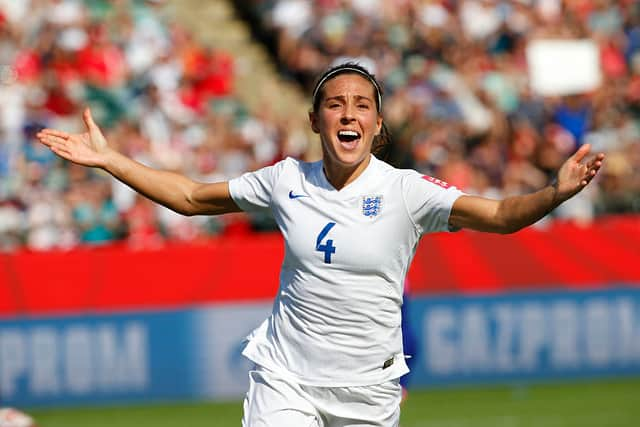
And everyone has a role to play in this.
In a panel hosted by broadcaster Shebahn Aherne, Olympian Emily Campbell, Professor Leanne Norman, inclusion advocate Verity Smith, and football legend Fara Williams MBE discussed equality in sport.
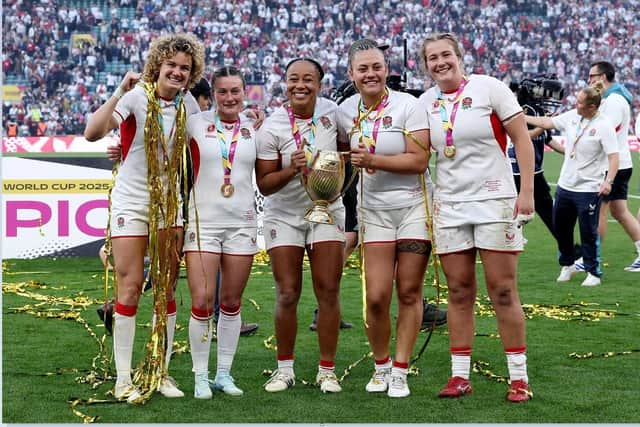
While the summer of sport with the roaring success of the Lionesses and the Red Roses have helped to put women’s sport front and centre of the nation’s attention there are still many challenges ranging from pay gaps, limited access and discrimination.
They shared their own personal insights about how far sport has come - but it was obvious there is still a long way to go.
TV scheduling was an important point with Prof Norman pointing to the scheduling of Wimbledon with the women’s final almost being seen as an appetiser to the men’s final the following day.
Despite the increased visibility, Verity Smith warned there is still not equal equity when it comes to access to sport.
Verity, award-winning rugby player and LGBT+ activist who represents Leeds Rhinos in UK Super League wheelchair rugby, said as young people struggle to understand their own bodies and the challenges they are faced with there is the additional pressure of them actually being allowed to take part in sport.
He warned: “Trans people can play grassroots level, but when they get to a level that is professional, you get told you can’t play.”
Meanwhile Emily Campbell, trailblazing weightlifter, Olympic silver and bronze medallist, and the first British woman to win a weightlifting Olympic medal at Tokyo 2020, spoke about the barriers women face in sport ranging from access to gym clothing through to the challenges of navigating periods.
She said: “The smallest, simplest changes like women’s gym clothing sizes, can make the biggest impacts and give girls confidence in taking first steps towards their sporting journey.
“We need girls to be unapologetically themselves.”
And at the heart of this is how those stories are told with titles like the Yorkshire Evening Post playing an important role in shining the spotlight on the positive work already happening in our city and facilitating the difficult conversations about how we continue that conversation.
The overarching message was clear - everyone should be supporting everyone for sport, regardless of their gender.
But to truly transform sport, and society, we must go beyond coverage.
We need to shine the spotlight on connection. Go beyond tokenism to truth.
The next chapter of sport isn’t just about who wins.
It really is about who actually gets to be seen.