
Wakefield schools refusing to join classroom robot scheme, meeting told
Some schools have refused to participate in a scheme to use robots to help boost pupil attendance due to concerns over data protection, a meeting heard.
Wakefield Council has introduced classroom devices small enough to sit on a desk to help youngsters take part in lessons from home.
The so-called AV1 robots contain a camera and microphone which connects absent pupils who can speak, see and hear lessons through the device using an app.
A report to councillors earlier this month said 21 robots had so far been deployed at schools across the district.
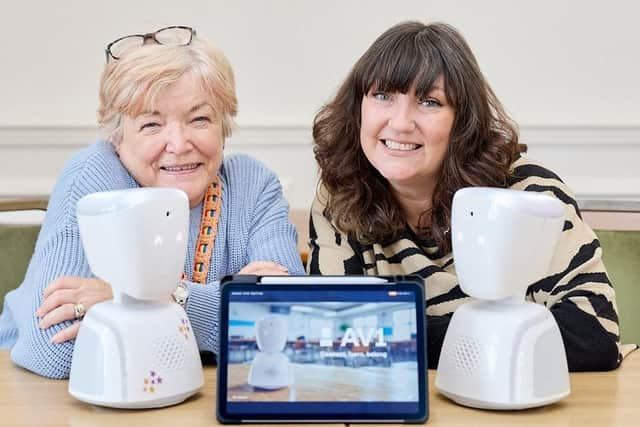

Opposition councillor Pete Girt, a member of the Unity group, told a full council meeting he had been informed that “certain schools weren’t going to use them over concerns about GDPR (General Data Protection Regulation).”
The Knottingley councillor said: “I think they are an absolutely marvellous invention.
“There is a lot kids that I have been dealing with, where it would get them back into education rather than having them just sitting at home and not getting an education.”
Coun Girt asked Margarget Isherwood, the Labour-run council’s cabinet member for children and young people: “Have you been able to look into that and find out why these schools aren’t prepared to use them?”
Coun Isherwood replied: “These robots are absolutely amazing.
“We are limited as to how many we have and unfortunately we can’t force schools to use them.”
A report by Coun Isherwood ahead of the meeting said oneYear 3 pupil at a district school increased attendance from 3% to 76% following the introduction of AV1.
Coun Isherwood said a trial had also begun to use the robots at SEND youth groups where people were unable to attend in person.
She told Coun Girt: “If you can identify a group that may benefit from this we may be able to arrange for them to make use of it.
“But with schools, we can’t force them to do it, so it’s one of those situations.”
The robots were developed by technology company No Isolation for children who are unable to attend school through long-term illness.
According to a council report in April last year, more than 1,600 AV1 devices were being used to help pupils in other areas of the UK stay connected to their education and friends.
Details of the scheme were previously discussed at a meeting of the council’s children and young people scrutiny committee.
Jacqui Dundas, the council’s head of inclusion, strategy and performance, said: “If you’ve broken your leg and can’t get to school, this robot will sit in your classroom with your peers and you will be able to communicate with the robot.
“The teacher can ask you questions and you can also answer as well, so it’s very interactive.”
She said schools were “very nervous” around safeguarding issues but that the devices had security measures in place and could not record anything.
Committee member Debbie Kahler said. “It does raise serious concerns for me, especially for safeguarding, because you don’t know who is behind the screen.
“We have moved into this era of AI and we have no legislation in place for it, no policy in place for it and we are moving forward with it.”
Nathan Heath, service director for education and inclusion, said any issues would be addressed during the pilot period.
“This gives us an opportunity to focus it on a very specific cohort of children.
“There are very clear parameters around that. We have done a lot of work to ensure safeguarding is paramount.”