

With the guidance and support of their teachers and school community, primary school will see young people lay the bricks that form the foundations of a lifetime of learning.
Schoolchildren from across West Yorkshire returned to class for the new, 2025/26 school year at the start of the month, including thousands of new starters entering Reception. But parents of children as young as three will also be thinking about primary school, with applications for next year’s places open now.
With the primary school years being so important for young learners, these parents will want to make sure the school they choose is the right fit for their child. That is why we’ve revisited the highest-performing state primaries across the Bradford, Calderdale, Kirklees, Leeds, and Wakefield council areas - using our own unique metric.
The key figure our league table uses is the proportion of each school’s pupils who completed Year 6 in the most recent academic year (currently 2023/24), and met the Government’s expected standards in three key areas: reading, writing and maths. But performance isn’t the only measure of a school’s strengths, so we’ve also made sure each one included had a positive mark in its latest Ofsted inspection.
These are set to change before the end of the year, but for now, we’ve limited our league table to schools with either a ‘good’ or ‘outstanding’ overall grade under the previous system, or positive ratings across all categories under the current one. This means that quality of education, student behaviour and attitudes, school leadership and management, and safeguarding practices all met or exceeded Government standards.
Here were the 22 schools from across West Yorkshire which did especially well:
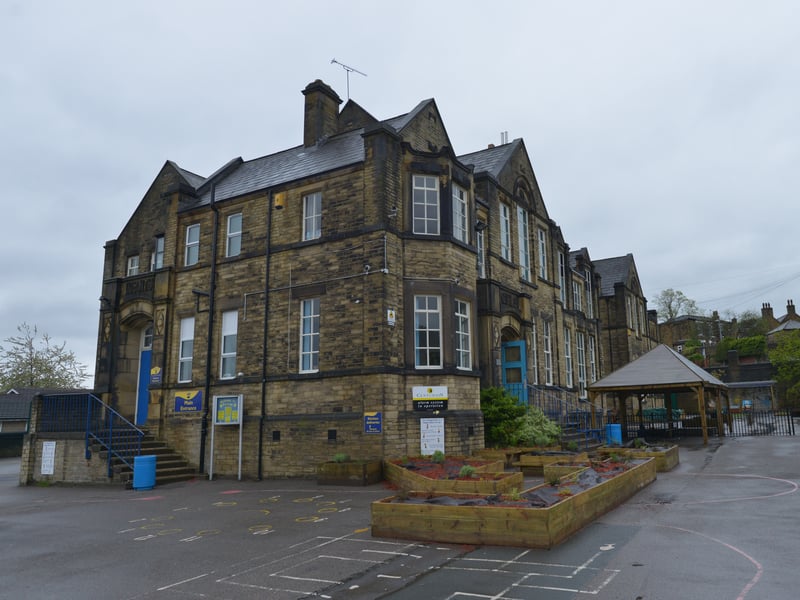
1. Carlton Junior and Infant School
At the top of the list is this local authority-maintained primary school in Dewsbury, in the Kirklees borough. It was most recently rated ‘good’ overall by Ofsted, and has a roll size of about 218. In the 2023/24 school year, 97% of its pupils met the Government’s expected standards in reading, writing and maths – compared to averages of 59% locally and 61% nationally. | National World
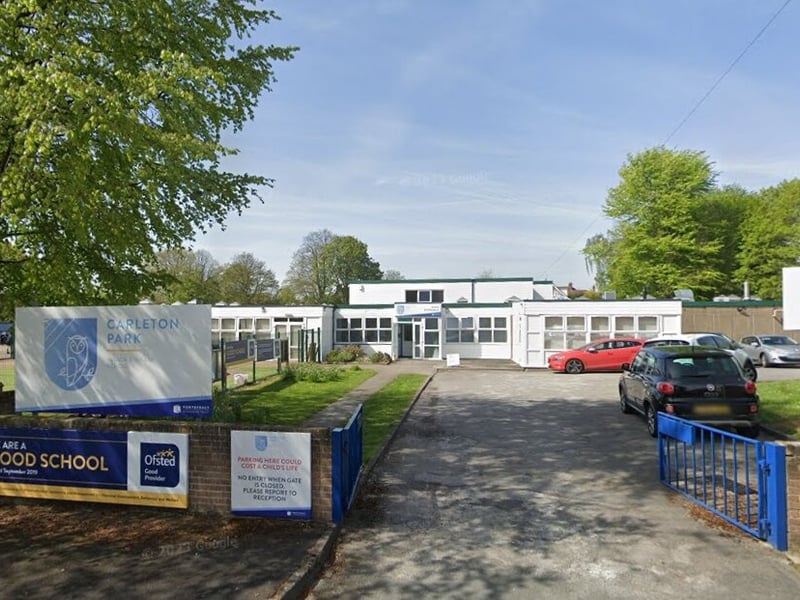
2. Carleton Park Junior and Infant School
The similarly named Carleton Park is next, a primary academy in Pontefract. In a recent Ofsted inspection, it was found to be ‘outstanding’ in all categories, and it has a roll size of about 207. In the 2023/24 school year, 93% of its pupils met the expected standards in reading, writing and maths – compared to averages of 62% locally and 60% nationally. | Google
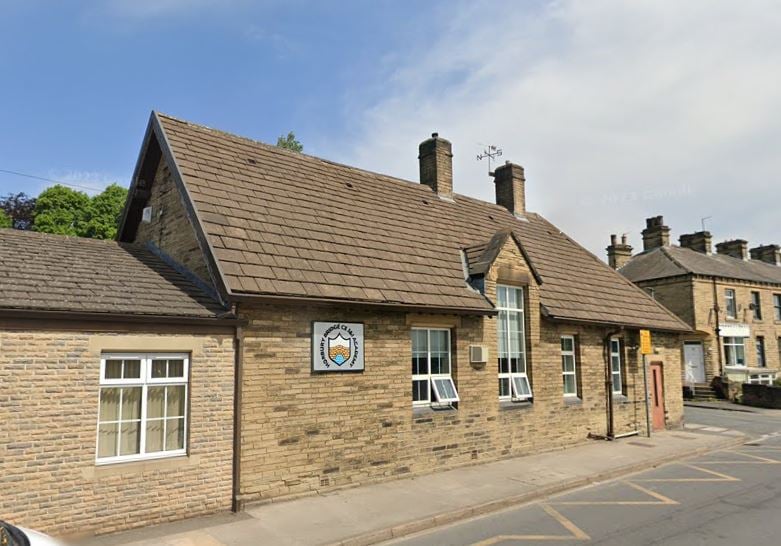
3. Horbury Bridge Church of England Junior and Infant Academy
This is an Anglican primary academy in Horbury, near Wakefield. It was most recently rated ‘good’ overall by Ofsted, and has a roll size of about 122. In the 2023/24 school year, 93% of its pupils also met the expected standards in reading, writing and maths – compared to averages of 62% locally and 60% nationally. | Google
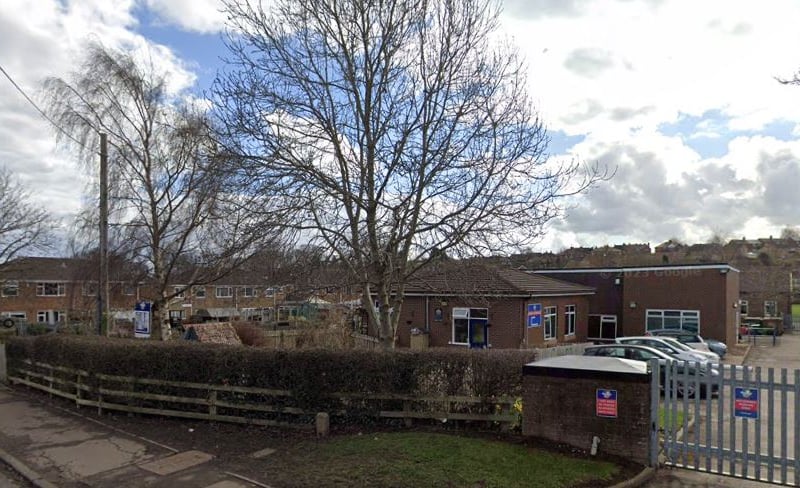
4. Jerry Clay Academy
Jerry Clay is a primary academy in Wrenthorpe, near Wakefield. It was most recently rated ‘outstanding’ overall by Ofsted, and has a roll size of about 211. In the 2023/24 school year, 93% of its pupils once again met the expected standards in reading, writing and maths – compared to averages of 62% locally and 60% nationally. | Google
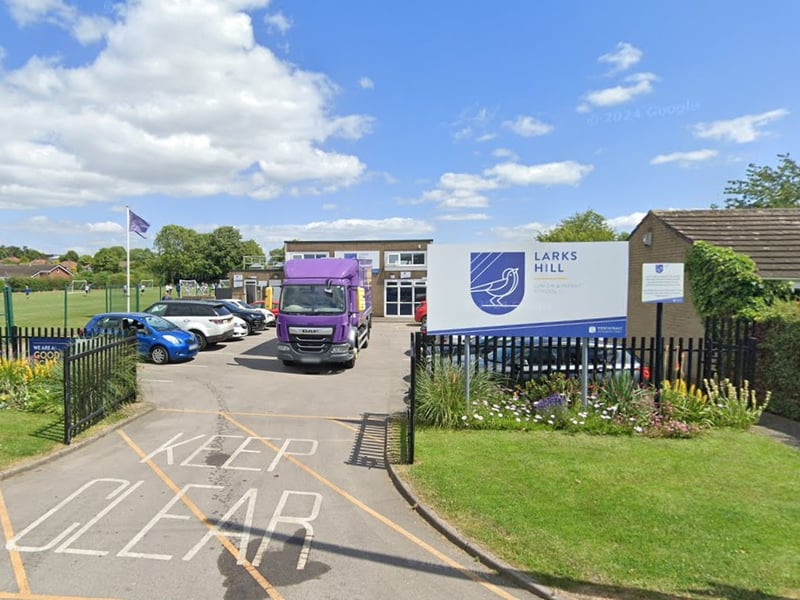
5. Larks Hill Junior and Infant School
Larks Hill is another primary academy in Pontefract, which in a recent Ofsted inspection, was found to be ‘outstanding’ in all categories. It has a roll size of about 208. In the 2023/24 school year, it too had 93% of its pupils meet the expected standards in reading, writing and maths – compared to averages of 62% locally and 60% nationally. | Google
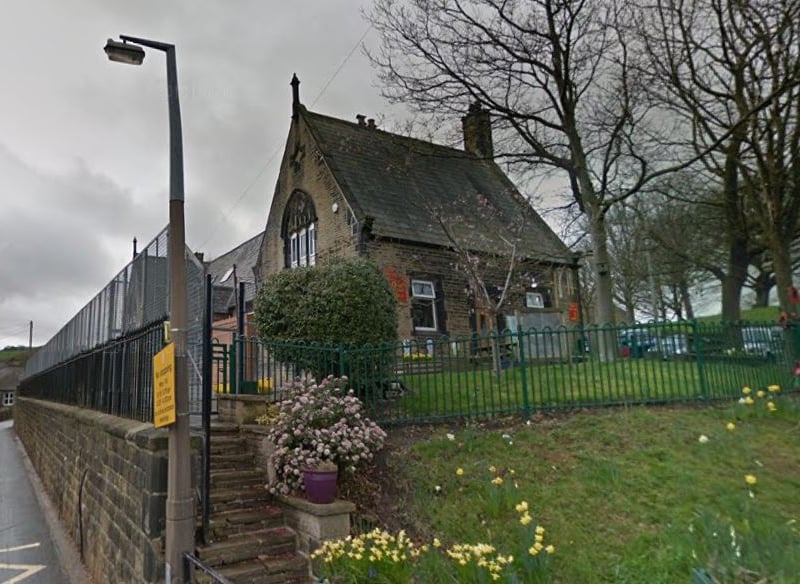
6. St Mary's CofE Junior and and Infant School
St Mary’s is a maintained Anglican primary school in the village of Mill Bank, in the Calderdale borough. It was most recently rated ‘good’ overall by Ofsted, and had a roll size of about 81. In the 2023/24 school year, 92% of its pupils met the Government’s expected standards in reading, writing and maths – compared to averages of 59% locally and 61% nationally. | Google